




Top-rated plaster repair specialists.

Best plaster repair specialists near Union, MI

Enter your zip and get matched with up to 5 pros

Need a pro for your plaster repair project in Union, MI?

Select your specific project to find the pro for you.

TRUSTED BY UNION, MI HOMEOWNERS

  • Average homeowner rating star icon4.2
    Average homeowner rating
  • Verified reviews icon59
    Verified plaster repairs reviews

Top-Rated Plaster repair specialists in Union - Updated Nov 2026

Avatar for C Touch Renovation
C Touch Renovation
5.0(
7
)
Plaster - InstallPlaster - Install - For Business

Serving Union, MI and surrounding areas

Approved

In business since 2025

Free estimates

Credit card accepted

"Excellent tile installation! Professional, reliable, and very detail-oriented. The work was clean, high-quality, and completed on time. I?m very happy with the results and would definitely recommend C Touch LLC to anyone needing tile work."
Gallery
7 neighbors recently requested a quote
Showing 1-10 of 45
Plaster Repair FAQs, answered by experts

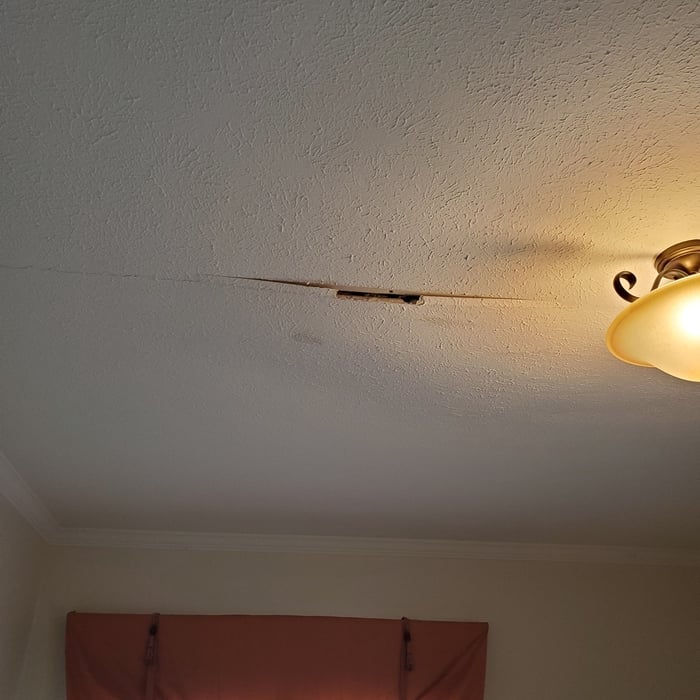
While it is possible to repair minor plaster cracks or holes yourself, it is generally not recommended for larger jobs or if you want a professional result. Plaster repair can be difficult in practice; proper wall preparation and achieving a smooth, seamless finish that blends with the existing wall requires experience, especially on textured surfaces. Hiring a professional ensures the repair will be durable and last longer, potentially saving you money over time. A pro can also determine if the cracks are from normal expansion or a more serious underlying issue.

You can plaster over regular drywall, but it's essential to prepare the surface properly. Before plastering, the drywall should be clean, free of dust, and any loose or peeling paint should be removed. Applying a primer specifically designed for plastering can improve adhesion. Some professionals recommend applying a base coat of plaster or joint compound to create a better surface for the plaster to adhere to. Proper preparation ensures a smooth and durable plaster finish over regular drywall.

Although they are used for similar tasks, spackle and joint compound are not the same. Joint compound, also known as drywall mud, consists of limestone and gypsum and is primarily used for large-scale projects like taping and finishing seams on new drywall. Spackle is composed of gypsum and binding agents, making it a thicker compound best suited for small wall repairs like filling nail holes or cracks, as it dries quickly and is easy to sand. For small repairs, either product can be suitable. However, you can use joint compound for small jobs in place of spackle, but you cannot use spackle for large-scale taping and mudding projects.

Plaster that sags or bulges, shows extensive deep cracks, or is crumbling from water damage or simply time may need replacement. Plaster walls can look a little “worn” for a long time before they need replacing. The only real way to know if it needs a replacement is to hire a professional to assess the condition of the plaster.

Installing or repairing plaster on ceilings differs slightly from performing the same motions on a wall. You’ll apply slightly less plaster to lower the overall weight of the ceiling. Wall texturing is common, whereas most ceilings are smooth plaster. Tough coat plaster is strong, meaning you can use less while retaining a solid surface.

The Union, MI homeowners’ guide to plaster repairs

From average costs to expert advice, get all the answers you need to get your job done.