


Top-rated plaster repair specialists.

Get matched with top plaster repair specialists in Roscommon, MI

Enter your zip and get matched with up to 5 pros

Need a pro for your plaster repair project in Roscommon, MI?

Select your specific project to find the pro for you.

TRUSTED BY ROSCOMMON, MI HOMEOWNERS

  • Average homeowner rating star icon3.9
    Average homeowner rating
  • Verified reviews icon40
    Verified plaster repairs reviews

Find Plaster repair specialists in Roscommon

Padilla Custom Painting llc
4.6(
12
)
Plaster - InstallPlaster - Install - For BusinessPlaster - Repair+1 more

Serving Roscommon, MI and surrounding areas

In business since 2018

Free estimates

Emergency services offered

"Tony (and Bruce) were very professional, in his initial bid he explained everything he was going to do gave an honest and fair price. He was confident in his work and very trusting from the start! The work they did was exceptional! So hard to find today!!! Definitely would hire him again with no hesitation!!"
Additional Photos
Additional Photos
Additional Photos
Additional Photos
Additional Photos

+5

Recommended by100%of homeowners

Avatar for Same Day Renovations - Home  Facebook
Same Day Renovations - Home Facebook
2.4(
5
)
Plaster - Install

Serving Roscommon, MI and surrounding areas

In business since 2018

Free estimates

Credit card accepted

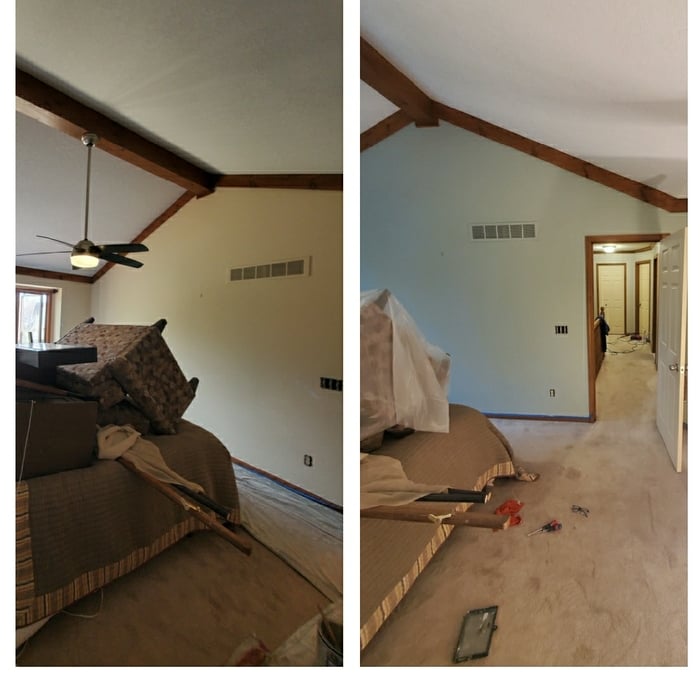
\nLooking for efficient and quality work to be done on your property? Tired of lazy or procrastinating contractors who booked You Out 3 weeks out. We get the job done the same day you call and/or ANYTIME you need it. That's right We've changed the game entirely for home renovation work. ANY JOB ANY TIME GREAT QUALITY AFFORDABLE PRICES!

Our work
Our work
Our work
Our work
Our work

+102

Response time10 mins
Recommended by33%of homeowners
Showing 1-10 of 18
Plaster Repair questions, answered by experts

Common causes of ceiling cracks along drywall seams include poor drywall installation techniques, structural issues, truss uplift, and foundation problems. Temperature and humidity also play major roles in ceiling cracks flush with the wall. As the drywall shrinks and expands from major temperature changes or extreme humidity shifts, this can cause the drywall to crack.

Only use spackle on plaster walls when the imperfection is small. It’s best used for nail holes or small dings in the plaster. Spackle dries quickly, allowing you to continue the repair process shortly after using it. Plaster can be tricky to repair, though, so if you run into issues, call a pro so that you don’t risk further damage.

The short answer is yes, a sagging plaster ceiling is dangerous. Sagging plaster on a wall is something you should fix immediately, but it isn’t a major concern. If the same type of sagging occurs on a ceiling, however, you could be in danger of your ceiling falling in large chunks. When plaster sags, it loses its strength and ability to hold itself up. The bonds that hold it together are strong, though, so if a sagging area falls, it will take large pieces down with it.

Although they have similar applications, spackle and joint compound are not the same. Their primary differences lie in their composition, consistency, and ideal use cases.

Spackle is composed of gypsum and binding agents, making it thicker than joint compound. It dries quickly and is easy to sand, which makes it ideal for small wall repair projects like filling nail holes or patching minor damage.

Joint compound, also known as drywall mud, consists of limestone and gypsum. It is primarily used for large-scale projects, such as taping and finishing the seams on newly installed drywall. It tends to shrink more than spackle and can be more difficult to spread.

While both products can be used to fill small depressions and cracks, spackle cannot replace joint compound for taping and mudding new drywall. Conversely, you can often use joint compound for small patching jobs typically done with spackle.

Venetian plaster is a highly durable wall finish that becomes a rock-like substance once dried, making it last longer than most other wall finishes. Its lifespan can range from decades to centuries, potentially lasting a lifetime. Key factors influencing its longevity include the quality of the initial application, whether it's properly sealed against moisture, and how the wall is maintained and treated (e.g., how often it is touched or bumped). Due to its mineral content, it can also develop a patina over time.

The Roscommon, MI homeowners’ guide to plaster repairs

From average costs to expert advice, get all the answers you need to get your job done.