








Top-rated energy efficiency auditors.

Get matched with top energy efficiency auditors in Roscommon, MI

Enter your zip and get matched with up to 5 pros

Need a pro for your energy efficiency auditing project in Roscommon, MI?

Select your specific project to find the pro for you.

Find Energy efficiency auditors in Roscommon

Energy Efficiency Auditing questions, answered by experts

Upgrade to double-glazed glass or apply energy-efficient coatings to reduce heat loss and utility costs.

Home power is measured in kilowatt-hours, commonly expressed as kWh. The average home uses between 800 and 1,000 kWh per month. Peak usage (and highest bills) occurs in the middle of summer and the depths of winter. Keeping on top of your usage during these crucial months will lower your annual average usage considerably. 

HVAC systems use the most household electricity. This major and essential system is responsible for heating and cooling your home all year round. Since they operate for a significant amount during the day, it consumes more energy than other appliances. 

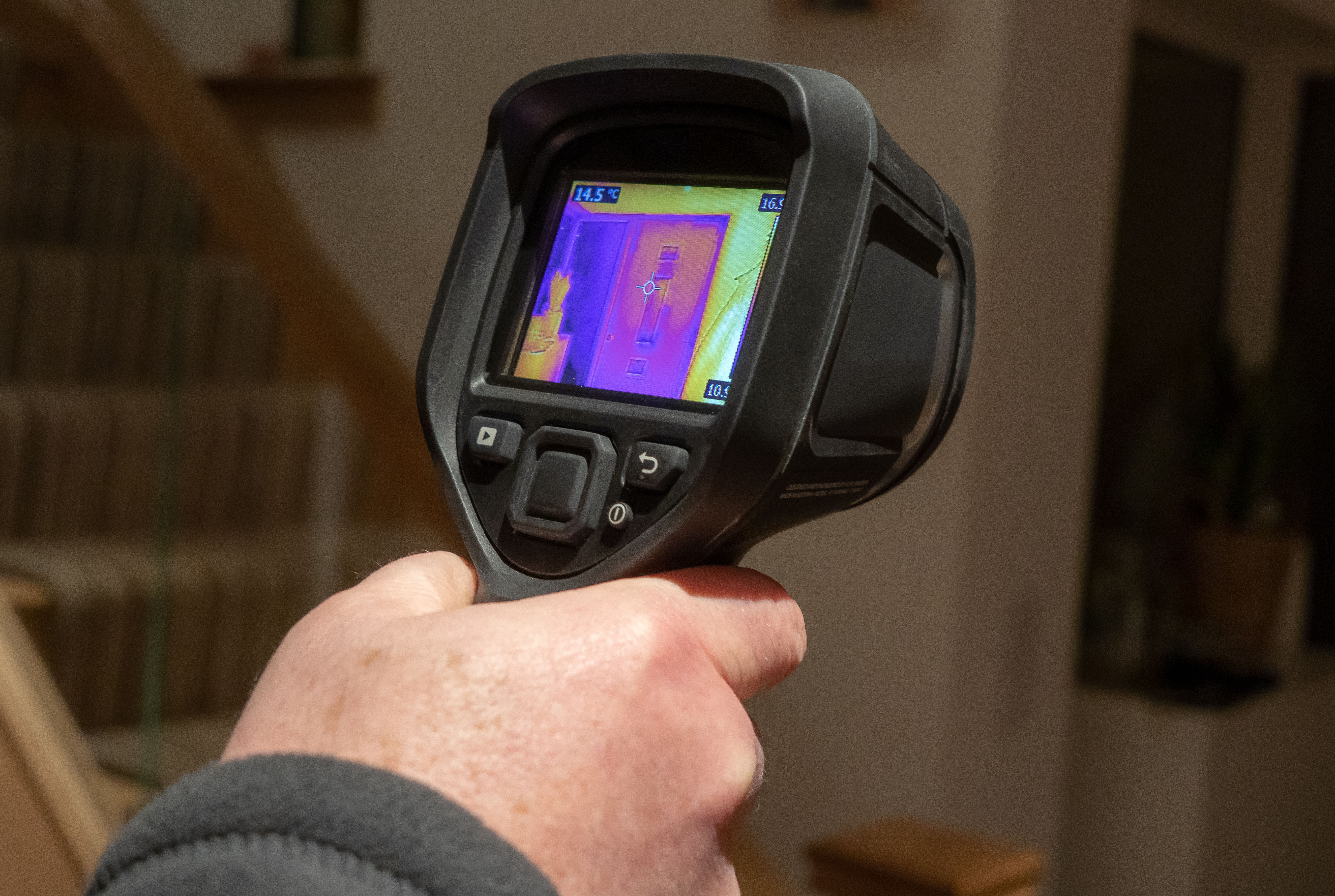
A blower door test shouldn’t take more than an hour, and most can be completed in less than 30 minutes. Expect the test to take longer once you start searching for leaks with thermal imaging or want to include sealing such leaks in the time estimate. The test doesn’t take much time and can’t be rushed, but it will take longer in large homes or those with many air leaks.

To determine the right size generator for your house, you should calculate the total wattage of the appliances and devices you want to power during an outage. List all essential items, note their start-up wattages, and add them together.

Here are some typical wattage requirements for common appliances:

  • Refrigerator: 600 watts

  • Large dehumidifier: 700 watts

  • Large window air conditioner: 1,400 watts

  • Water heater: 3,000 to 4,500 watts

  • Electric furnace: 5,000 to 25,000 watts

A 7,500-watt generator might be sufficient for essentials like a refrigerator, freezer, well pump, and lighting circuits. However, for high-demand items like a water heater or furnace, a whole-home generator is a better choice. A portable generator may be enough if you only need to power a few critical items.

While home square footage can offer a rough estimate, it is not always a reliable indicator. For reference, here are some typical generator sizes based on square footage:

  • 1,000 sq ft: 6–9 kW

  • 1,500 sq ft: 7–10 kW

  • 2,000 sq ft: 10–14 kW

  • 2,500 sq ft: 12–16 kW

  • 3,000 sq ft: 16–20 kW+

For the most accurate sizing, consult a professional who can calculate your home's peak and average power consumption and recommend the optimal generator.

The Roscommon, MI homeowners’ guide to energy efficiency auditing services

From average costs to expert advice, get all the answers you need to get your job done.