Top-rated lead testing and removal specialists.

Best lead testing and removal specialists near Roosevelt Park, MI

Enter your zip and get matched with up to 5 pros

Need a pro for your lead testing and removal project in Roosevelt Park, MI?

Select your specific project to find the pro for you.

Top-Rated Lead testing and removal specialists in Roosevelt Park - Updated Nov 2026

Avatar for Benedicts Lead Services, LLC
Benedicts Lead Services, LLC
2.2(
3
)
Toxic Lead - AbatementToxic Lead - Testing

Serving Roosevelt Park, MI and surrounding areas

In business since 2020

Free estimates

Warranties offered

At Benedict's Lead Services, LLC, we are your trusted partners in lead abatement, proudly serving the Detroit, MI area and beyond. With a commitment to environmental safety and the protection of our most vulnerable, especially our children, we specialize in comprehensive lead inspections, expert lead removal, and actively collaborate with organizations like the Michigan Environmental Health Association to address environmental concerns. \n \nWith three years of dedicated service to our community, we have earned a reputation for our unwavering dedication to safeguarding the environment. \nAs an EPA Certified lead abatement company, we possess the expertise to service and inspect in 31 plus states and territories, ensuring that homes and commercial spaces nationwide are free from the hazards of lead contamination. \n \n

Response time10 hrs
Avatar for David Batts Testing
David Batts Testing
New to Angi
Toxic Lead - Testing

Serving Roosevelt Park, MI and surrounding areas

In business since 2024

Free estimates

Offers commercial services

David Batts Testing is committed to excellence in every aspect of our business. We uphold a standard of integrity bound by fairness, honesty and personal responsibility. Our distinction is the quality of service we bring to our customers. Accurate knowledge of our trade combined with ability is what makes us true professionals. Above all, we are watchful of our customers interests, and make their concerns the basis of our business. \n

Asbestos insulation
Asbestos air sample
Lead wipe sample
Mold tap lift
Response time5 hrs
Lead Testing and Removal FAQs, answered by experts

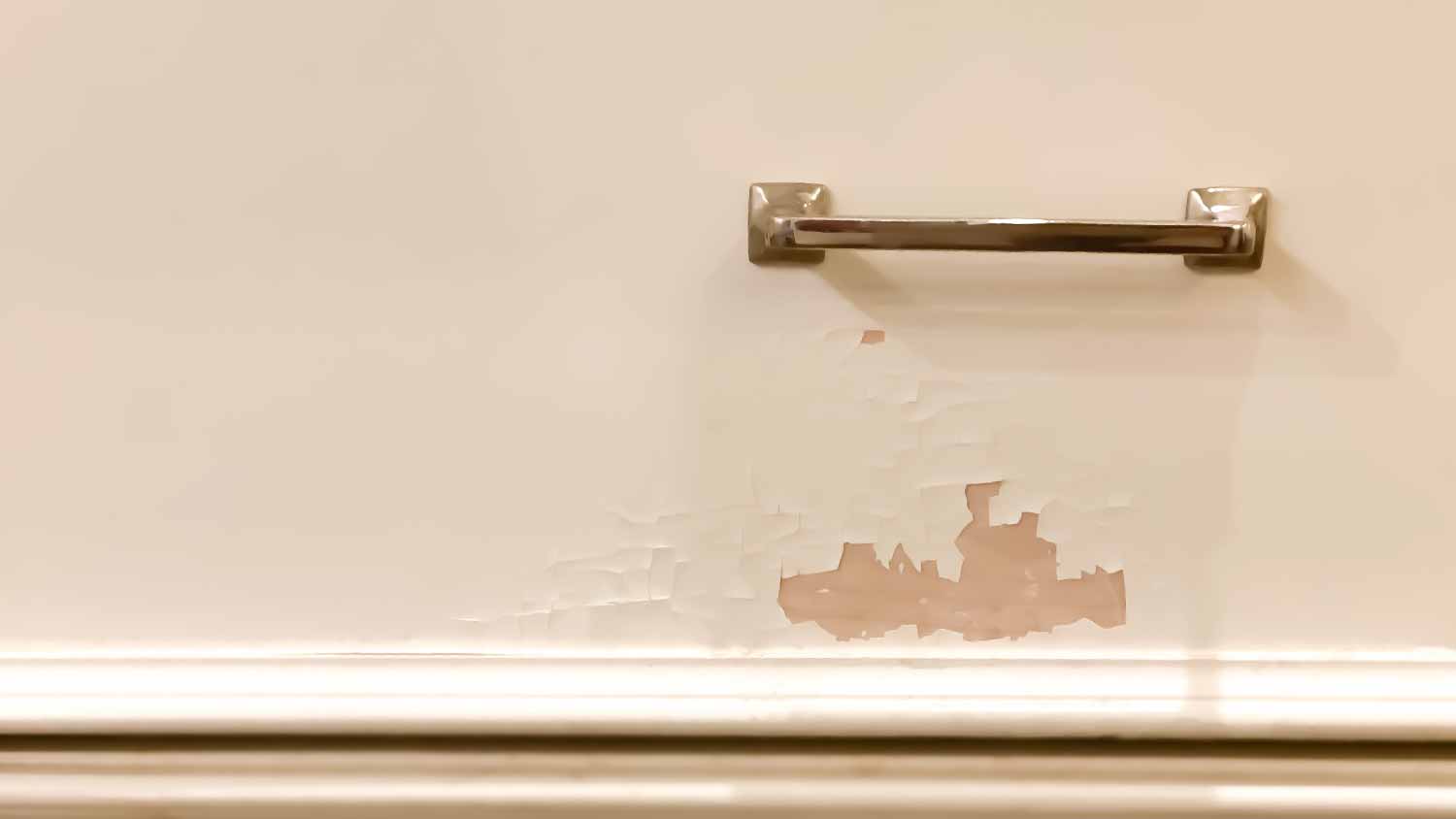
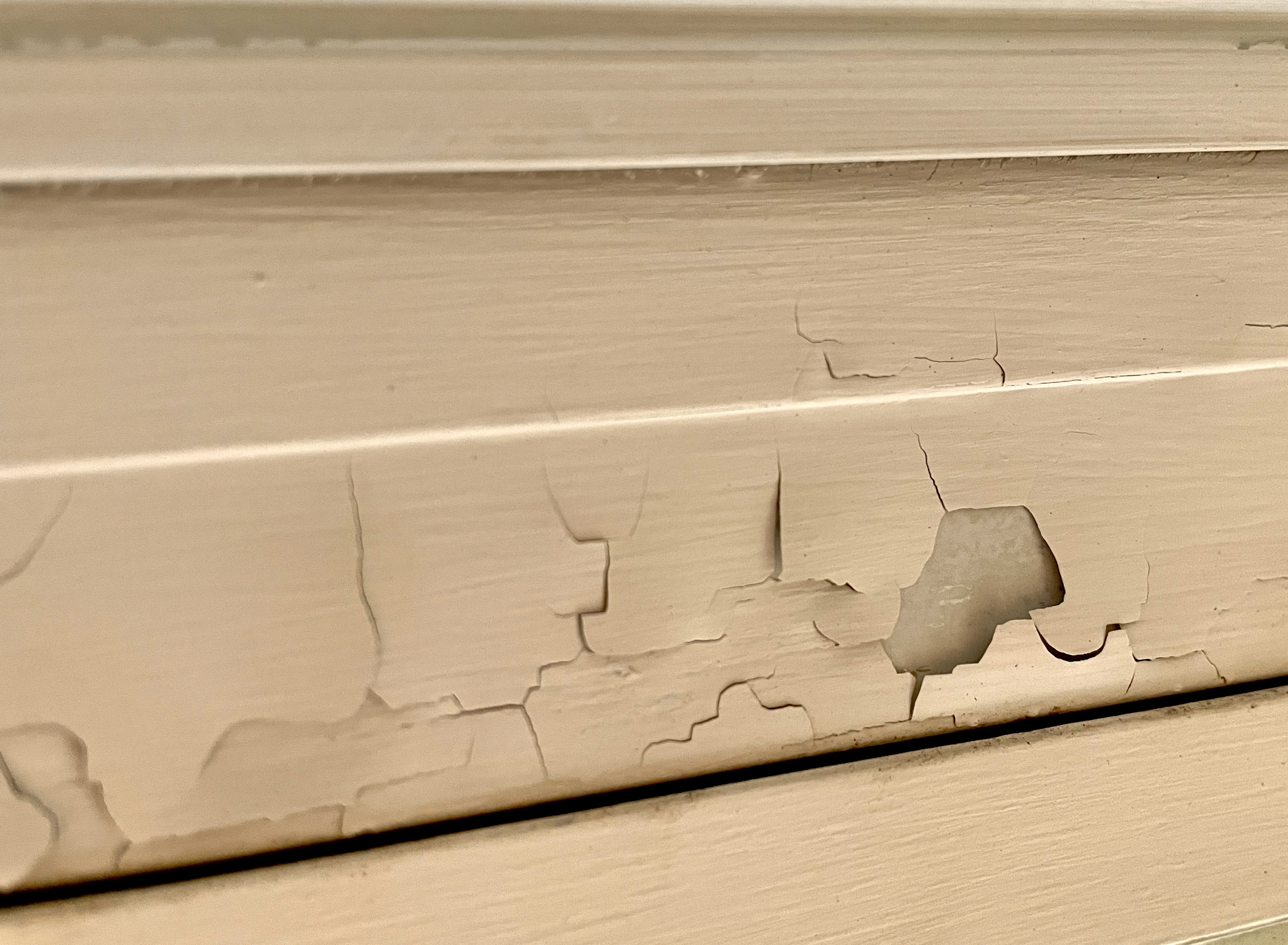
While not all homes built before 1978 contain lead paint, enough do, so you’ll still want to test to be on the safe side. The federal government banned lead-based paint for homes in 1978, but your state may have banned lead before that time. Around 24% of homes built between 1960 and 1977 contained lead-based paint, while 87% of homes built before 1940 contained lead-based paint.

Professional lead removal involves identifying and safely removing or encapsulating lead-based paints and materials, using specialized equipment, and following strict safety procedures to minimize exposure and contamination.

Professional testing for lead paint costs about $300, ranging from about $250 to $700, depending on the square footage, accessibility, and location. However, testing for lead paint with a DIY home-testing kit costs about $25, but doesn’t guarantee accurate results. The U.S. Environmental Protection Agency (EPA) recommends using a lead test kit that complies with the Lead Renovation, Repair, and Painting (RRP) Rule, which has strict criteria for ensuring a more accurate reading.

Common home surfaces to test for lead include:

  • Walls

  • Windows

  • Doors

  • Molding and trim

  • Railings

You can paint over lead paint, or “encapsulate” it with a special paint that includes an ingredient called an encapsulant. The EPA approves encapsulation as a lead paint removal method as long as the paint remains undisturbed. Standard types of paint without an “encapsulant” from the big box stores or hardware stores do not meet EPA standards for remediation of lead-based paint.

According to the Environmental Protection Agency (EPA), hazardous waste is generally classified into four main categories:

1. Characteristic Wastes: These exhibit at least one of four hazardous traits: ignitability (flammable, like gasoline), corrosivity (can rust or decompose materials, like car batteries), reactivity (unstable and can explode, like aerosol cans), or toxicity (harmful when ingested, like lead-based paint).

2. Listed Wastes: These are specific wastes from manufacturing and industrial processes that the EPA has officially designated as hazardous. They include byproducts from processes that use solvents, pesticides, and other chemicals.

3. Universal Wastes: These are commonly generated hazardous items that are subject to streamlined regulations. Examples include batteries, pesticides, mercury-containing equipment (e.g., bulbs), and some lamps.

4. Mixed Wastes: This category includes waste that contains both hazardous and radioactive components, making it subject to regulation by both the EPA and the Nuclear Regulatory Commission.
The Roosevelt Park, MI homeowners’ guide to lead testing and removal services

From average costs to expert advice, get all the answers you need to get your job done.