




Top-rated plaster repair specialists.

Get matched with top plaster repair specialists in Riverside, MI

Enter your zip and get matched with up to 5 pros

Need a pro for your plaster repair project in Riverside, MI?

Select your specific project to find the pro for you.

TRUSTED BY RIVERSIDE, MI HOMEOWNERS

  • Average homeowner rating star icon4.2
    Average homeowner rating
  • Verified reviews icon42
    Verified plaster repairs reviews

Find Plaster repair specialists in Riverside

Avatar for Bonillas Master Touch
Bonillas Master Touch
5.0(
22
)
Plaster - InstallPlaster - Install - For BusinessPlaster - Repair+1 more

Serving Riverside, MI and surrounding areas

Approved

Super Service Award Winner

In business since 2024

Free estimates

Emergency services offered

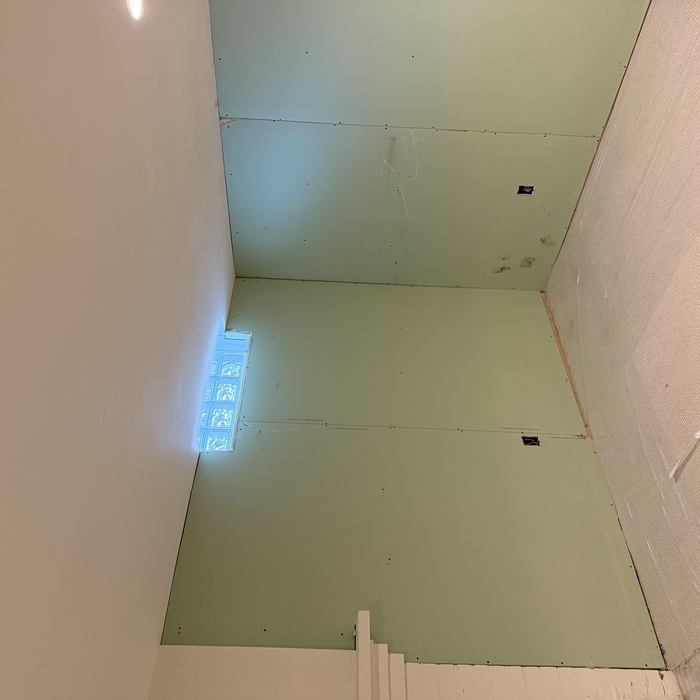
"I had several quotes to finish my basement, I contacted Bonillas Master Touch and they gave me a reasonable quote and I decided to proceed with remodeling! They were very professional and knowledgeable definitely recommend!!!!"
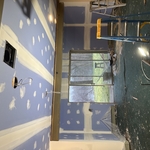
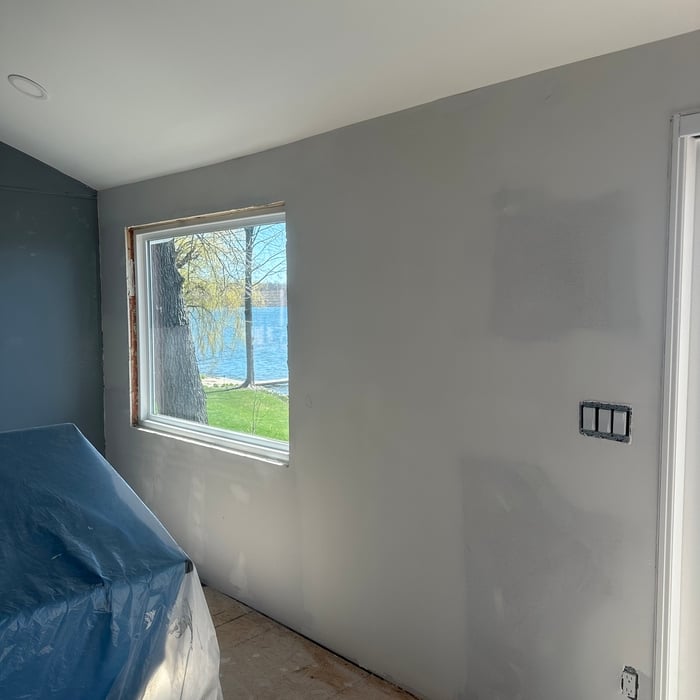
Drywall Project
Drywall Project
Drywall Project
Drywall Project
Drywall Project

+68

Response time2 days
Response rate100%
Recommended by77%of homeowners
Avatar for AAA Power Washers, Inc.
AAA Power Washers, Inc.
4.5(
110
)
Plaster - Install

Serving Riverside, MI and surrounding areas

Approved

In business since 2013

Free estimates

Warranties offered

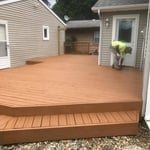
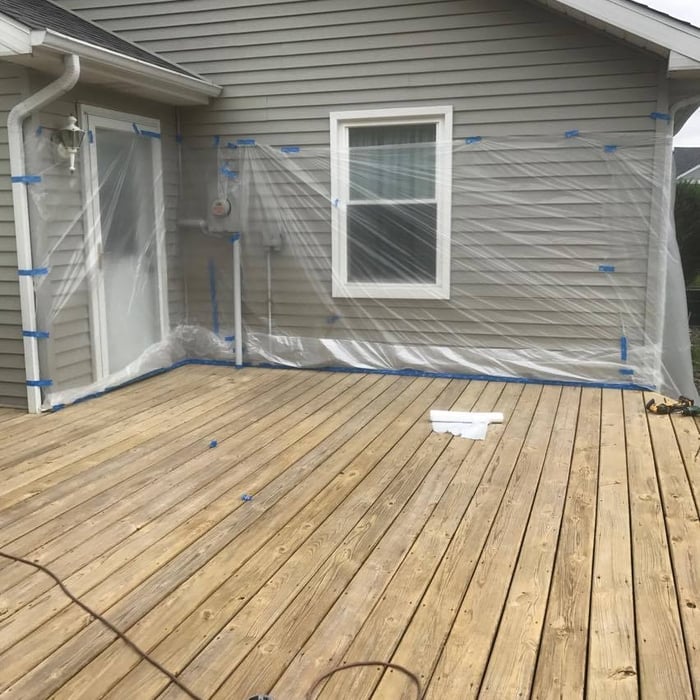
"Friendly and on time for appointments. Did an outstanding job powerwashing and staining my large deck. They also went out of their way to make sure the extra repairs needed were done correctly. I have had nothing but compliments on the change in the appearance of my deck."
Deck South Bend, IN
Putting the finishing touches on the deck
Deck South Bend, IN
Deck South Bend, IN
Deck South Bend, IN

+86

Response time1 day
10 neighbors recently requested a quote
Recommended by94%of homeowners
Avatar for C Touch Renovation
C Touch Renovation
5.0(
5
)
Plaster - InstallPlaster - Install - For Business

Serving Riverside, MI and surrounding areas

Approved

In business since 2025

Free estimates

Credit card accepted

"Excellent tile installation! Professional, reliable, and very detail-oriented. The work was clean, high-quality, and completed on time. I?m very happy with the results and would definitely recommend C Touch LLC to anyone needing tile work."
Gallery
11 neighbors recently requested a quote
Showing 1-10 of 35
Plaster Repair questions, answered by experts

Although they have similar applications, spackle and joint compound are not the same. Their primary differences lie in their composition, consistency, and ideal use cases.

Spackle is composed of gypsum and binding agents, making it thicker than joint compound. It dries quickly and is easy to sand, which makes it ideal for small wall repair projects like filling nail holes or patching minor damage.

Joint compound, also known as drywall mud, consists of limestone and gypsum. It is primarily used for large-scale projects, such as taping and finishing the seams on newly installed drywall. It tends to shrink more than spackle and can be more difficult to spread.

While both products can be used to fill small depressions and cracks, spackle cannot replace joint compound for taping and mudding new drywall. Conversely, you can often use joint compound for small patching jobs typically done with spackle.

Drying alone can take 1 to 4 hours to dry to the touch per plaster layer, but some types of plaster take several hours longer to dry. However, this doesn’t mean the job is done because plaster doesn’t fully harden until it cures, which can take a few days to a couple of weeks. It may take even longer if you’re building a new, pretty thick plaster wall. Allow the plaster to cure before painting it.

Costs range from $200 to $800, depending on the area size and damage severity.

Plaster that sags or bulges, shows extensive deep cracks, or is crumbling from water damage or simply time may need replacement. Plaster walls can look a little “worn” for a long time before they need replacing. The only real way to know if it needs a replacement is to hire a professional to assess the condition of the plaster.

Plastering and skimming are two different techniques for finishing walls. Plastering involves applying a thick layer of a plaster mixture—typically containing gypsum, lime, cement, sand, and water—to create a new surface. This process often requires multiple coats and is used for repairing significant damage or creating decorative textures. Skimming, on the other hand, is a technique that involves applying a thin layer of drywall compound or joint compound over an existing surface to smooth it out, covering minor imperfections, small cracks, or uneven textures for a polished look. Plastering is generally more costly and labor-intensive than skimming. Although some people use the terms interchangeably, they refer to different processes and materials.

The Riverside, MI homeowners’ guide to plaster repairs

From average costs to expert advice, get all the answers you need to get your job done.