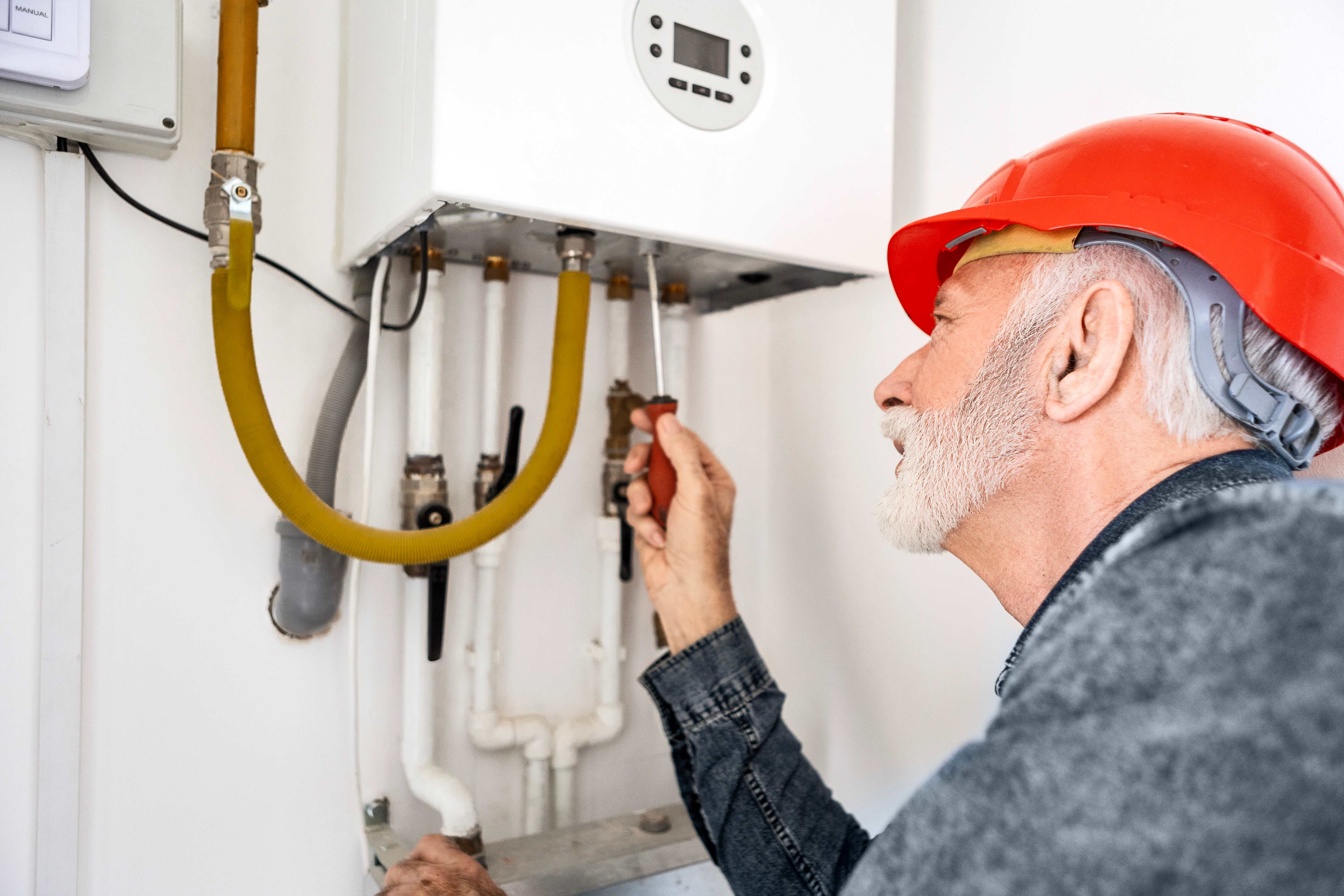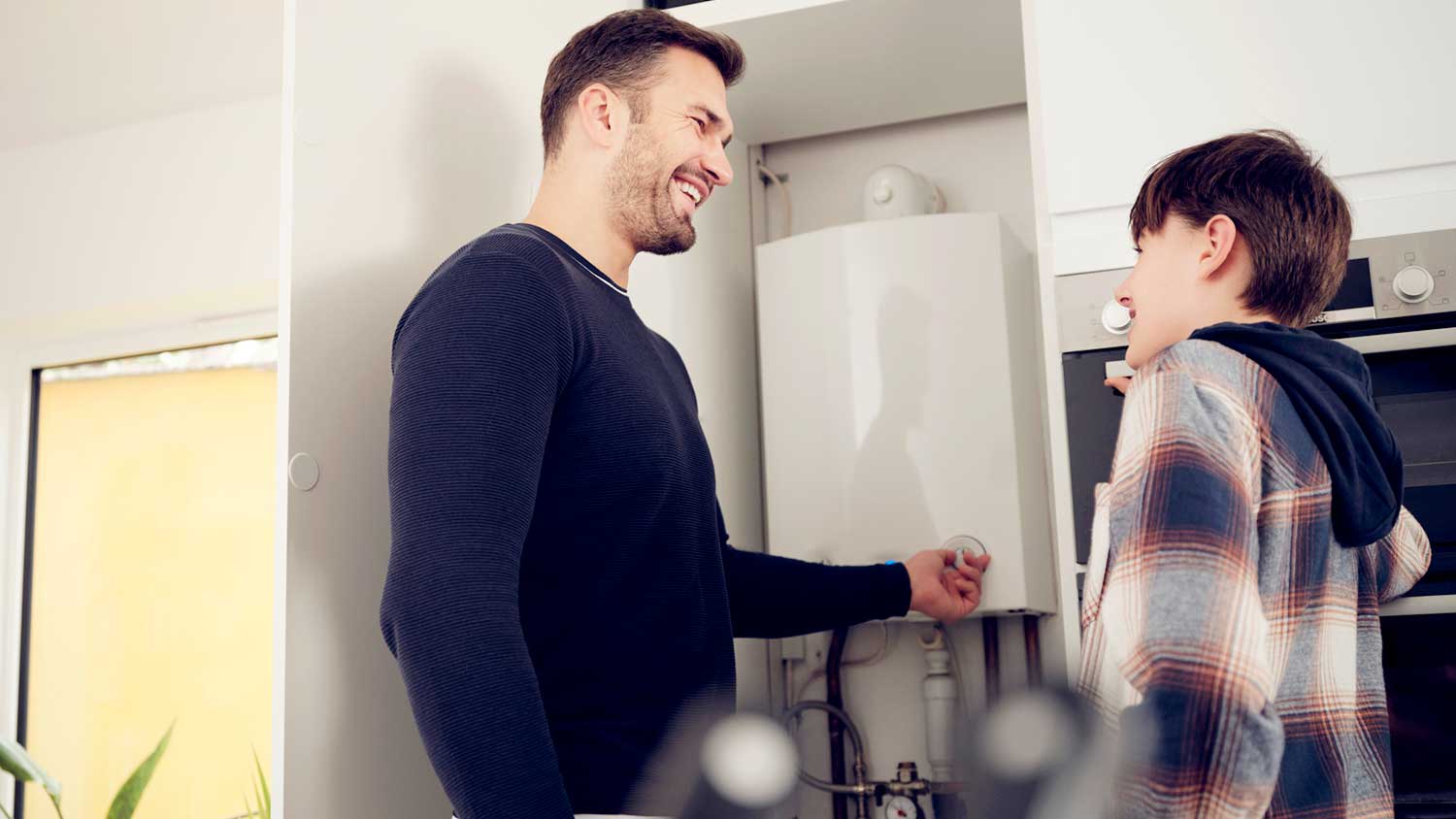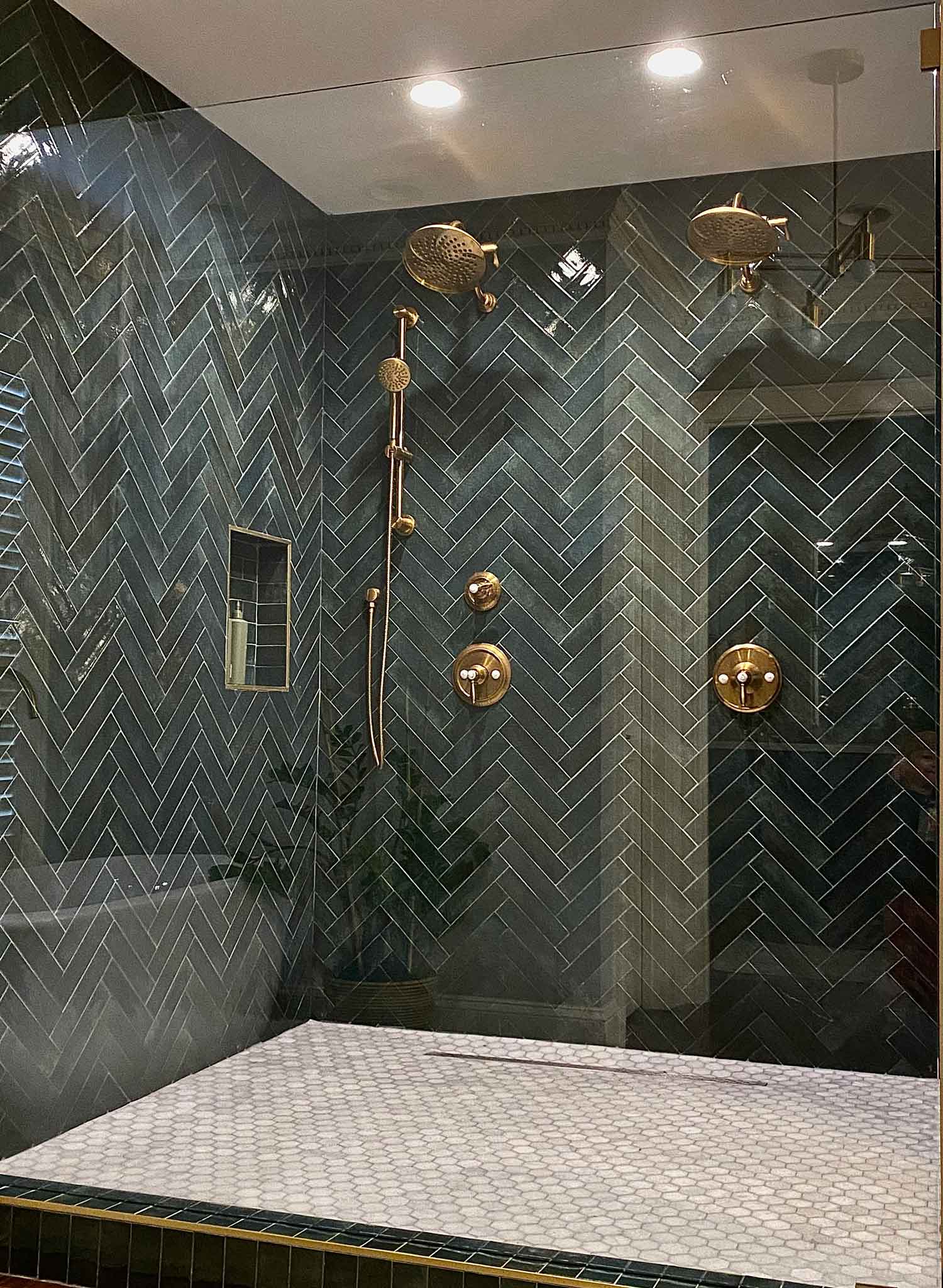





We have a minimum of $150 for the first hour and $100 for each hour for service calls. The average cost for bathtub and shower installations is $3500. Cost can vary according to size and scope of the project. We pride ourselves on quality work and great customer service. We believe in going out of our way for our customers! We work very hard to make sure that all of our customers are pleased with the work we do! We believe that every job, no matter the size, deserves our full attention and should be done right!
"He was able to quickly diagnose that the water leak from the water heater was a result of a ruptured tank, resulting in the need to replace the entire water heater."
The average cost to replace a water heater is around $1,325, with a typical range of $900 to $1,800 for a standard replacement. The final price depends on the type of heater (tank vs. tankless), its size, fuel source (gas or electric), and the complexity of the installation. A simple one-to-one replacement will be on the lower end of the cost spectrum. However, if you are switching from one type of heater or energy source to another, you can expect labor costs to be significantly higher due to the extra work involved. It's also worth considering that while gas and electric heaters may have similar upfront costs, their long-term operating costs can differ based on local utility prices.
It’s important to find the type of water heater that fits your needs and budget. Depending on the type of water heater, size, brand, and the type of energy you use to heat the water, costs range from a few hundred dollars to several thousand.
Some of the most common types of water heaters include:
Electric: $600–3,500
Gas: $700–$2,700
Propane: $700–$2,500
High efficiency: $1,500–$3,000
Indirect: $1,200–$3,500
Hybrid heat pump: $1,200–$3,500
No, boilers and water heaters are not interchangeable because they serve different primary functions. Boilers are used for central heating systems, providing hot water or steam to heat your home. In contrast, a water heater's purpose is to supply hot water for daily household use, such as for faucets and showers. A water heater alone cannot supply the warm water or steam needed for a central heating system.
While they are not interchangeable, it is common to have both a boiler and a water heater. In fact, a conventional boiler often works best when a water heater system is already in place. The two systems can be combined to provide both heating and hot water, either by pairing a boiler with an indirect water heater or by installing a premade combination boiler-water heater unit. For home heating, some homeowners may also opt for a furnace instead of a boiler.
Often, the first issue you might encounter is a lack or loss of power—this could be caused by a tripped switch or a failed heating element. If your hot water is not producing enough power and its size is not the issue, you might need to replace one of its heating elements. A leaking water heater could be caused by tank erosion.
Most hot water heater manufacturers recommend replacing the anode rod about once every three to five years. Anode rods sacrifice themselves by collecting iron, limestone, and other minerals that would otherwise corrode your hot water heater tank. This abuse wears them out long before your water heater does. Check the rod when you remove it and replace it if more than 50% of the metal has been consumed. Check the rod more frequently if you have hard water or use a water softener.
The Powers, MI homeowners’ guide to water heater services
From average costs to expert advice, get all the answers you need to get your job done.
A water heater flush costs $160 on average but can vary based on the unit size, type, labor, location, and more. Keep reading to learn how much you could pay.
Worried your water heater might freeze this winter? Learn to spot the warning signs and how to safely thaw your tank or tankless system out if necessary.
Hybrid water heaters will have you weighing high initial costs versus long-term savings. Is it the right option for you? Explore the pros and cons of hybrid water heaters.
The average lifespan of water heaters is 6 to 15 years for conventional models and up to 20 for tankless ones, but it can be less if they are not properly maintained.