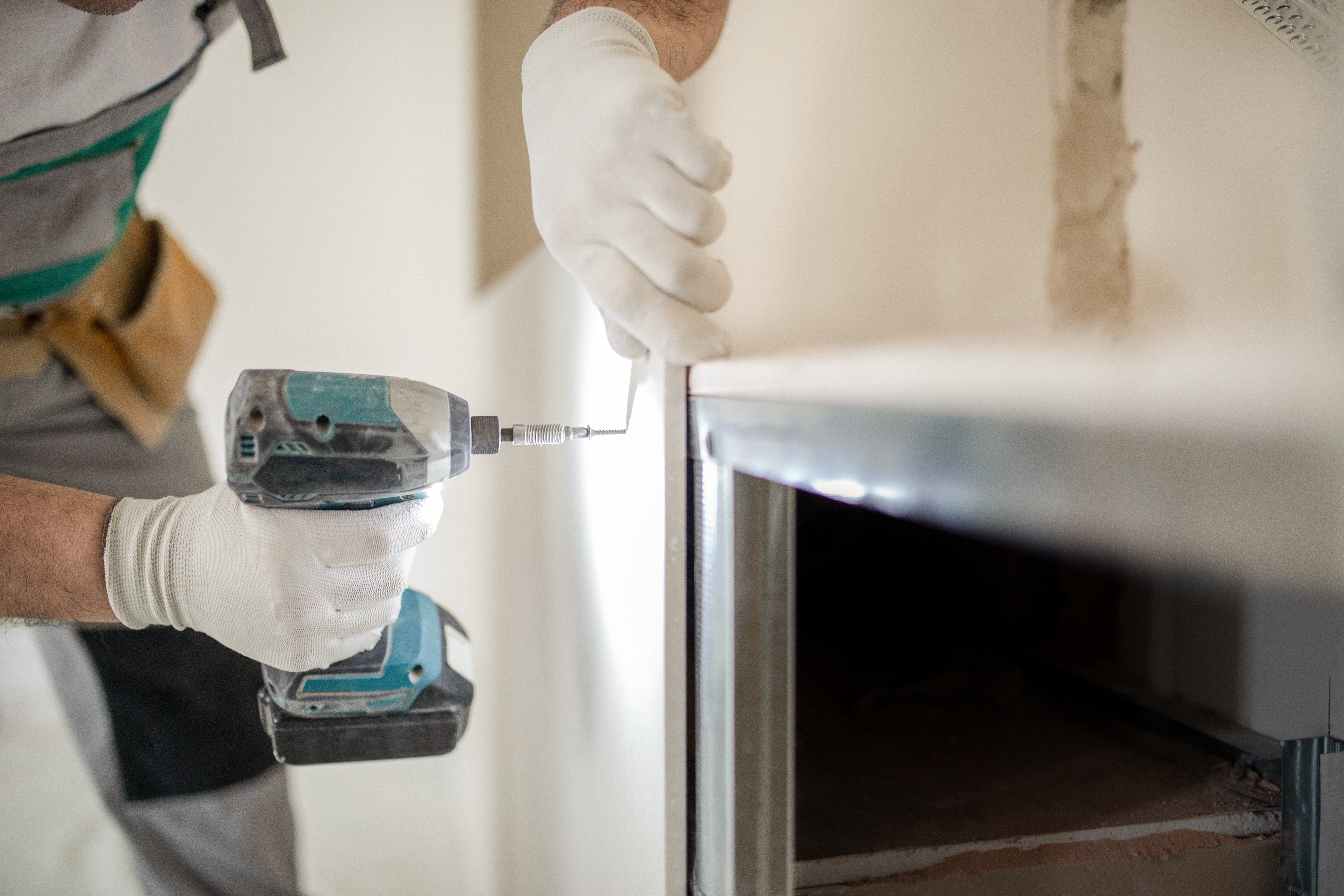
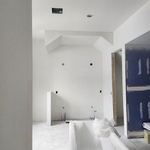
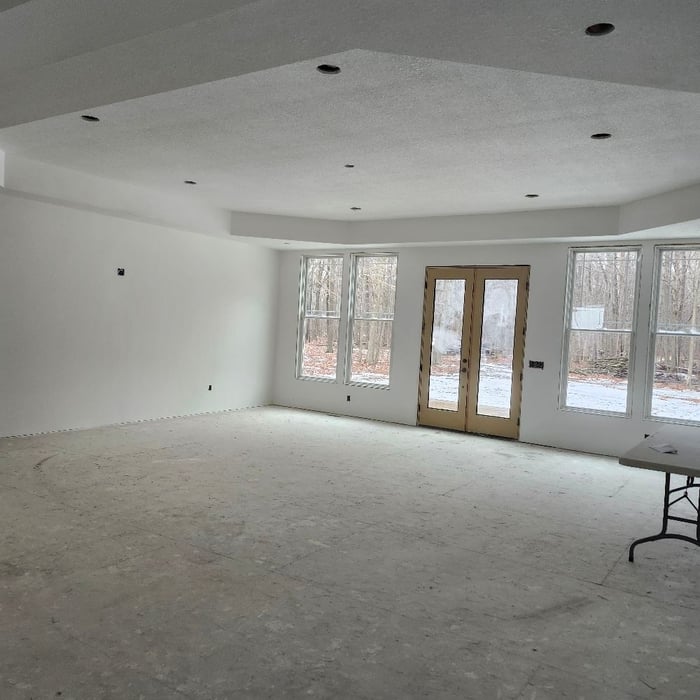
"We hired Daryl to drywall our garage and it came out awesome! He also textured and primed the walls and it looks great. We will definitely be asking him to drywall our basement when it’s ready to be finished."
"We hired Aden and his crew to install two windows near our kitchen on a wall that previously hadn’t had any. Aden patiently worked with us to find a solution within our budget and began work ONE DAY after signing the contract—well ahead of the timeline we had expected. From start to finish, he was responsive, accommodating, and enthusiastic about our vision. We are quite pleased with his work and would not hesitate to contact him again for future projects!"
"Excellent job! They not only did the whole flooring work at my house, they basically renovated the entire place by installing new trims and painting every wall in the living room, bedrooms, kitchen and bathroom."
"I am very grateful and happy with the excellent work that this team did in my house. From the beginning they were very professional, responsible and careful with every detail. The floor was beautiful and the result exceeded my expectations. ?? You can see the commitment, dedication and love they put into their work. In addition to doing excellent quality work, they were very respectful and left everything very well done. Without a doubt, I recommend this team 100%. Thank you very much for transforming my house and leaving it so beautiful!"
Here at Lisa’s interior painting we strive to go beyond our clients expectations by creating an immaculate painting service. \n\nWe charge the most affordable prices compared to our competitors, so please don’t hesitate to call. Satisfaction guaranteed.
We pride our company on reliability, great communication, integrity, and quality work. We are experts in our trade and will do our best to keep you as educated as we can on your particular task or project. We look forward to earning your business! Book with us online or feel free to give us a call today!
Hello im Christian. It will be our pleasure to help bring your ideas to life. 🏠✨\nI specialize in high-quality construction and remodeling services, including flooring, stairs, carpentry, and complete home renovations.\n📍 LIMA OH 🇺🇲\nWE DO:\n🪵 Hardwood Flooring Installation\n🔲 Vinyl Flooring Installation\n🪜 Stair Installation\n✨️ Stair Renovation\n🪟 Windows \n🚪 Doors \n🪚 Carpentry\n🛠 And more\n\nPlease tell us a little about your project: 📍 Job location\n📸 Photos of the area (if available)\n📏 Approximate measurements\n🛠️ Type of work you would like done\nWe provide professional service, fair pricing, and craftsmanship with attention to every detail. We are ready to help you create the space you envision! 😊\n\n📲🫡\n+1 (769) 281-6318
To maintain plaster walls, inspect them regularly for cracks and seal them early. Clean the walls by dusting regularly or using a gentle, damp cloth. It's also important to avoid moisture exposure. Repainting as needed will help maintain the wall's appearance and longevity.
The best tool for cutting a hole in drywall is a drywall saw. Its serrated blade and ergonomic design make it efficient for both straight cuts and more intricate shapes, ensuring clean and precise results in various drywall cutting applications.
If you’re looking for a reliable plaster repair company, you should start by researching local companies in your area and reviewing their status with the Better Business Bureau. Next, you can contact the potential companies to ask about experience levels, get a list of references, and ask for examples of past work. If you have a textured wall, consider asking if they have examples or references for that particular texture. This method should help you narrow your search even further. You may also want to ask each company if they provide a warranty for their work.
You should start looking for a drywall installer by choosing a local company with positive online reviews and ratings with the Better Business Bureau (BBB). Next, confirm that the professional is properly licensed using Angi’s contractor licensing tool, and ask the installer if they are fully insured. It’s a good idea to ask for recent customer references and call them to get their honest opinion about the contractor and their work. You can also ask the installer if they guarantee their work or provide a workmanship warranty.
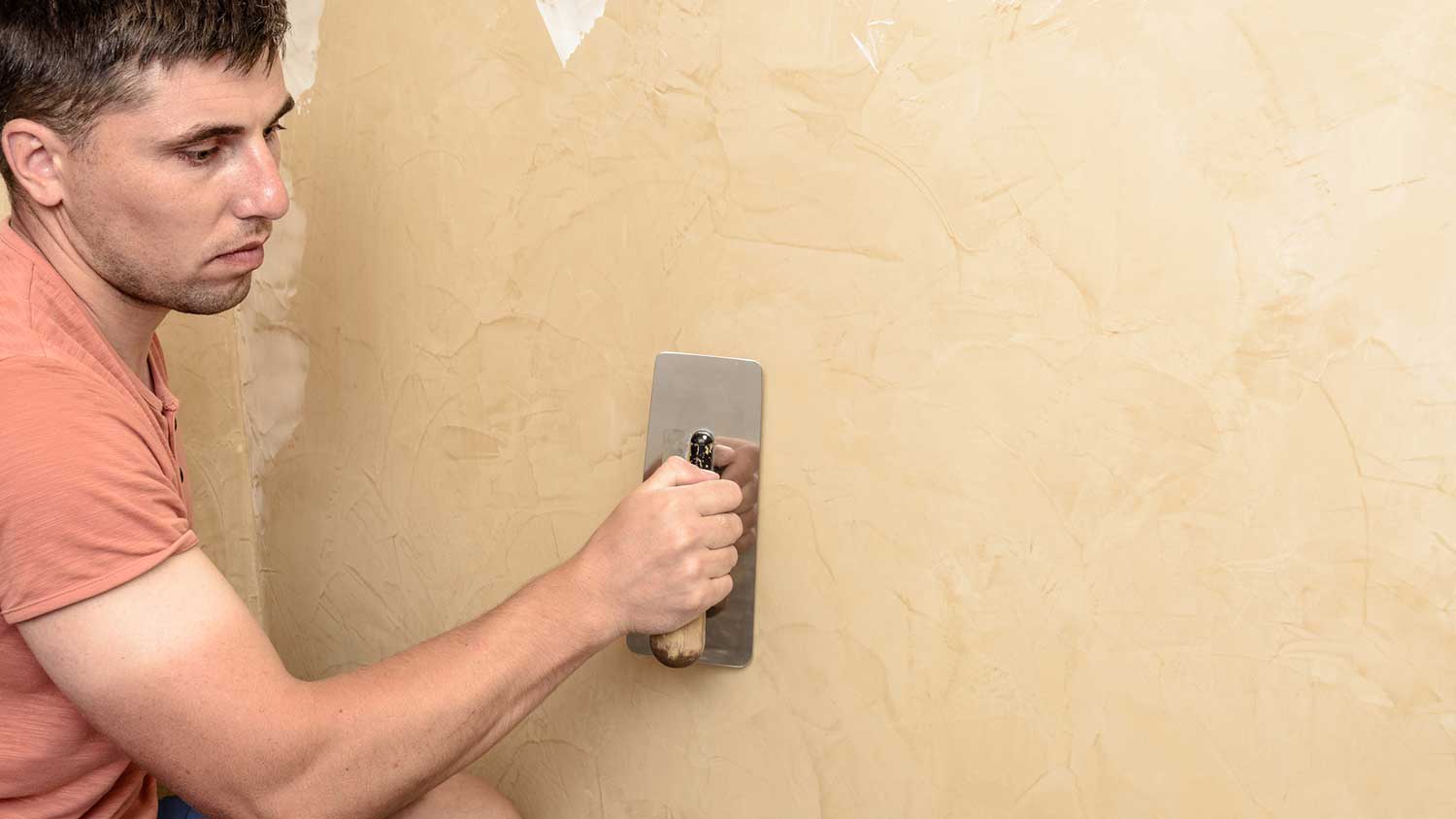
A local drywall contractor can texture your drywall for you. Drywall contractors are a better choice than general handy people because the contractors have a lot of experience working with drywall mud. The process is somewhat of an art thanks to the complexity of working with the mud, so call in a drywall pro who knows what they’re doing.
The Pittsford, MI homeowners’ guide to drywall services
From average costs to expert advice, get all the answers you need to get your job done.
Drywall texture can create an attractive finish and add dimension to your home’s walls. This guide breaks down the factors that influence the cost to texture drywall.
Installing drywall is the most common way to finish your home’s interior. Use this drywall installation cost guide to see what your project is likely to cost.
Whether you want to spruce up a few dents and dings or fix a large surface area, investing in drywall repair costs can return your walls to a smooth, flush look.
Understanding the plaster vs. drywall debate is key to giving your home’s walls the perfect finish. Learn more about the pros, cons, and costs with our advice.
The terms drywall and Sheetrock are often used interchangeably, but one is a brand and one is a specific product. Find out which one you need in this guide.
Thick gaps and extra joint compound can alter the look of drywall. So, should drywall be butt up against a wall? Review this guide for seamless installation.