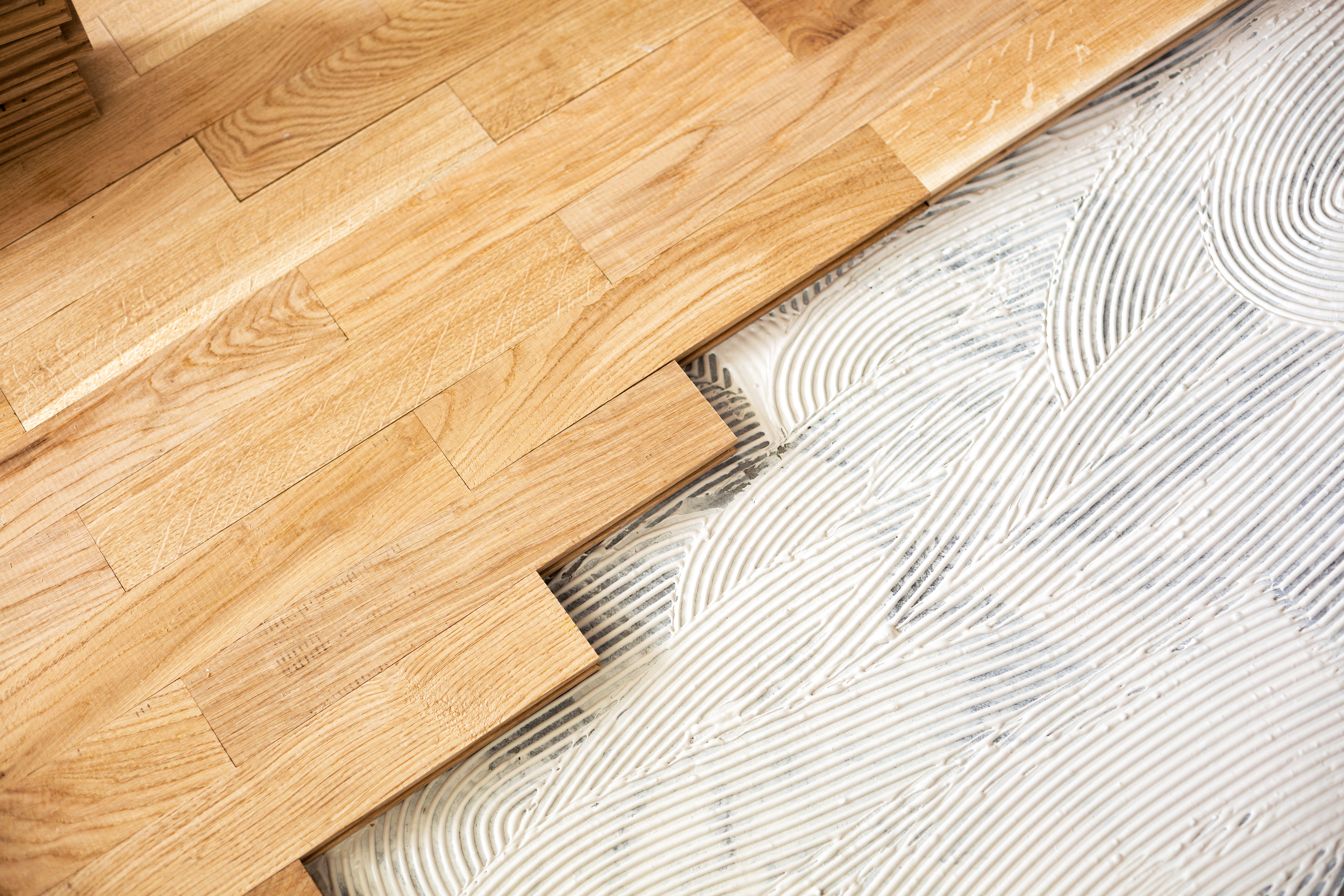
"I hired Refloor to come back and do my basement too. The installation was delayed due to stock shortage but the floors are in and they are beautiful. I hired my own painter to stain the moldings to match the floors. The floors look so much like real wood. Great job!"
"These guys came through at the last minute, installing the flooring another company could not complete in a timely manner. They did a fantastic job. Yes, I would hire them again without question."
"The choice of floors was excellent. The The salespeople were very informative and patient. The installers did expert work. The office people were helpful. Every one of these people were pleasant. We are completely satisfied."
"My historic home had many design and installation challenges, but the team did an amazing job. They ended up moving my plumbing, building out a few walls, and built the floor under my shower pan. It was a lot of work and it was a unique situation but their work was perfect nonetheless! No detail was spared and my shower is incredible. I could not be happier with the work."
"Dave came out and did the job on time. The crew spent 4 days here which some other companies only spend 1. My concrete is 30 years old and was pitted really bad which they ground it down to level it off. It looks level and better than new. The finish is a grey flux-color with a lot of clear on it. I’ve seen other jobs from other companies but this is by far the best. After the job was done he offered to come by and move my compressor and tools back in. What company would come back after being paid ? Dave and his crew are awesome!"
Flooring Installation questions, answered by experts
Not all attic floors are created equal—size, layout, and square footage often vary. The amount of weight an attic floor can hold depends on several factors including the joist size and position, any structural supports or subfloors, and the original intent of the attic design. Without structural reinforcement, your floor might only be able to support about 10 pounds per square foot of floor load before collapsing.
You might be wondering, “Is laminate flooring toxic?” The product does contain formaldehyde, which is found in the resins used to bind the wood fibers together. But the chance of overexposure and adverse reactions, such as allergy- or asthma-like symptoms, is low unless you are exposed to formaldehyde in other places, i.e., if you work with formaldehyde regularly outside the home. Keep in mind, too, that many household products have the potential to pose a health hazard, such as cleaning products.
Yes, installing underlayment underneath the laminate flooring is necessary. The underlayment has many benefits like preventing water damage to your subfloors, insulating the floor for sound, and providing an even surface for the planks to sit on.
When you skip the underlayment, you can end up with serious issues, including water damage to your subfloors, noisy planks, and an uneven floor.
While it is possible to install carpet yourself, it is a challenging DIY project that requires precise measurement, proper cutting skills, and knowledge of correct installation techniques. The process involves multiple steps, including removing old flooring, installing underlayment and tack strips, and stretching the carpet to prevent wrinkles, which can take several days to complete.
Before starting, consider these factors:
Warranty: Many manufacturers' warranties are voided if the carpet is not installed by a professional.
Tools: You will need to buy or rent specialized equipment like a knee kicker, carpet stretcher, and seam roller.
Complexity: DIY installation is most suitable for simple, straightforward rooms. Projects involving stairs or floor vents are significantly more difficult.
Cost: While you can save on labor, the cost of tools plus the risk of expensive mistakes—which may require re-installation—can make hiring a professional more cost-effective in the long run.
Given the potential for errors, voided warranties, and the need for special tools, hiring a local carpet installer is often recommended to ensure the job is done correctly and safely.
Popular flooring types for villas include tile, engineered hardwood, laminate, and vinyl. Tiles are often made of ceramic, terra cotta, or porcelain. The flooring you choose for your villa depends on your budget, the room, and the style you prefer.
The Newport, MI homeowners’ guide to flooring services
From average costs to expert advice, get all the answers you need to get your job done.
Looking for a qualified vinyl flooring installer? Learn how to find, vet, and hire the right pro with our complete guide to questions and qualifications.