
Top-rated patio cover pros.

Get matched with top patio cover pros in Munising, MI

Enter your zip and get matched with up to 5 pros

Need a pro for your patio cover service project in Munising, MI?

Select your specific project to find the pro for you.

Find Patio cover pros in Munising

No results for Patio cover pro in

Try adjusting your search criteria.
Patio Covers questions, answered by experts

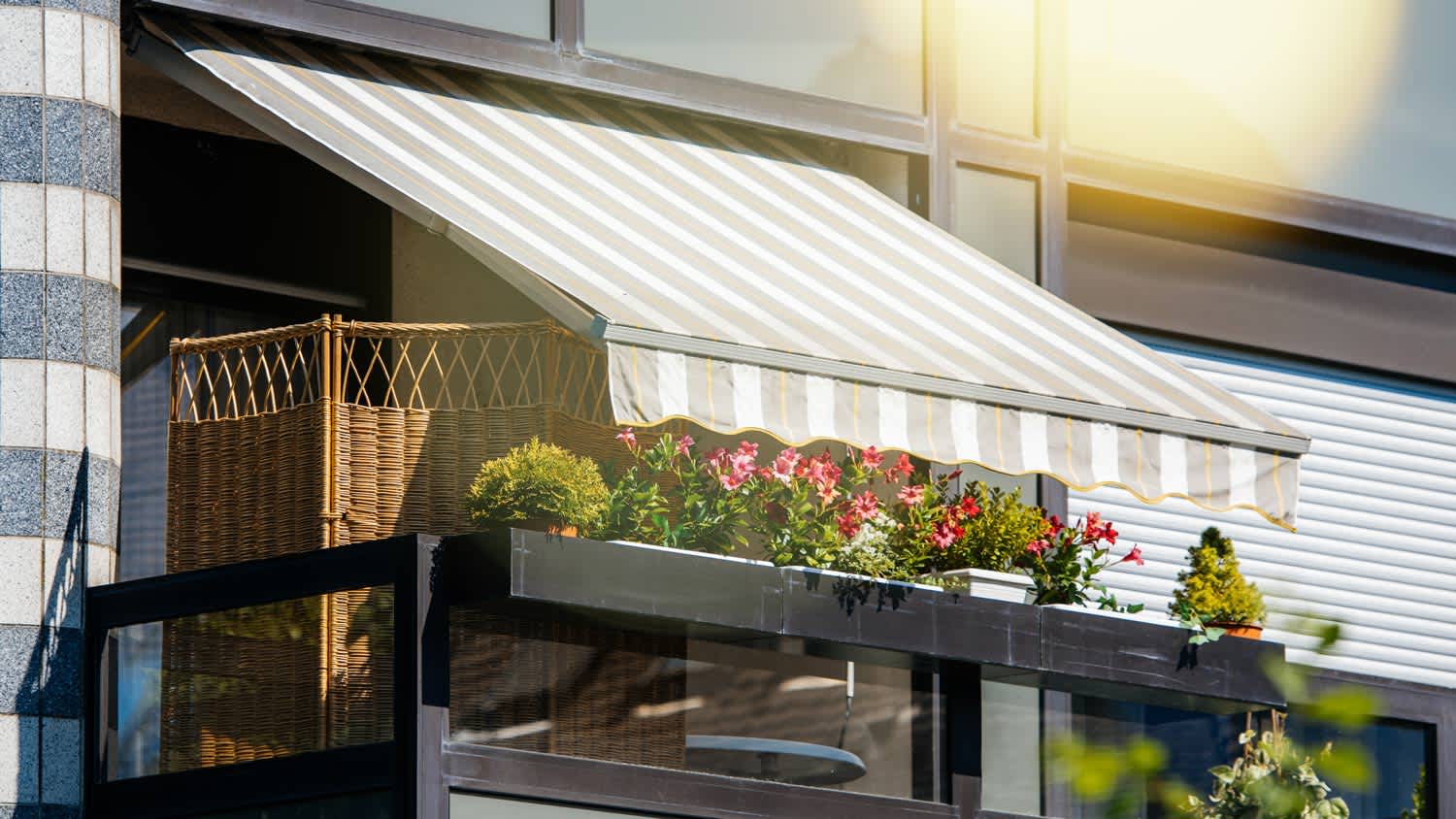
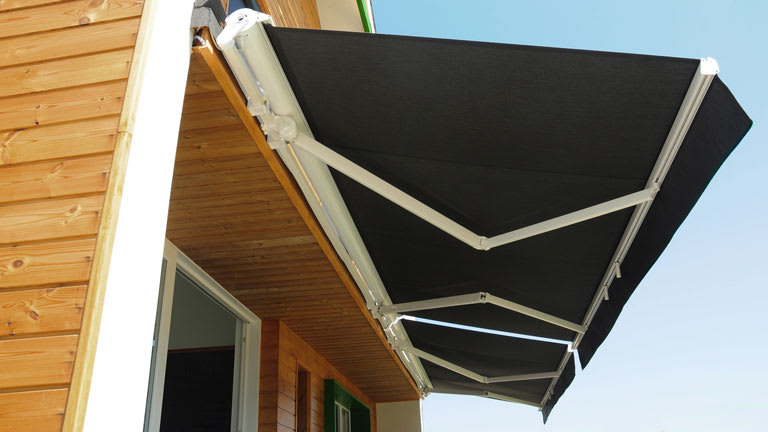
Yes, you can install an awning yourself, and it can be an excellent DIY project with immediate benefits. This is most feasible for smaller, pre-assembled units. However, awnings are often heavy and awkward for one person to handle, so you should always have at least one helper. If you have difficulty lifting heavy objects, professional installation is recommended to ensure proper mounting and durability.

Hurricane fabric is a temporary form of hurricane protection that offers an alternative to boarding up windows or installing traditional storm panels. Unlike hurricane screens, which are permanently attached to your home, hurricane fabric is installed over your windows and other openings before a storm.

In terms of effectiveness, hurricane fabric is tested and proven to protect homes from Category 5 hurricanes, which can have winds over 157 miles per hour. When installed properly, it is designed to block the majority of wind and rain and protect against water, debris, and projectile damage.

While the fabric is exceptionally durable, windows can still break if hit directly by flying debris at high velocity. However, it is a good protective measure against an impending storm. For comparison, hurricane fabric is more protective and durable than hurricane window film. While boarding up windows is easier than installing the fabric, it is more labor-intensive and requires storing heavy plywood.

To further increase the chances of your windows surviving a hurricane, you can take additional steps like securing outdoor items, elevating HVAC units, and fortifying your home's foundation.

There are many ways to mitigate wind damage. Some of the most common methods include installing storm windows and doors and wind-rated garage doors. When you get a wind mitigation inspection, the inspector will also assess the condition and shape of your roof to see how well it will withstand strong winds.

Awnings offer a variety of materials to choose from, each of which has its own benefits. Cotton is a lower-cost option that’s also more eco-friendly because it’s made from natural materials, while acrylic-coated polyester and vinyl offer better durability against harsh weather. Fiberglass and metal are also resilient to weather, although metal can be vulnerable to corrosion without protective sealant. Ultimately, you’ll need to consider your climate and your budget in deciding the best material for your awning.

It’s best to keep your awning retracted if winds are 25 miles per hour or more to make sure your awning doesn’t sustain irreparable damage due to wind. Some awnings can take winds up to 30 miles per hour without any damage, but it’s best to consult the manufacturer’s guidance. A good rule of thumb is if it’s too windy for you to comfortably stand outside, it’s time to bring the awning in.

The Munising, MI homeowners’ guide to patio cover services

From average costs to expert advice, get all the answers you need to get your job done.