Mil-Vet Pro Divers (a Babin Enterprises Company) has a very extensive expertise both above and below ground or water; don't be fooled by the name our Craftsmen/ Divers are by requirement; skilled residential and commercial craftsmen. Mil-Vet Pro Divers hires and trains only military veterans - quality, pride and honor. We thrive on integrity, professionalism attention to the details that matter most to you and continued professional service. We recommend that all home owners educate themselves before choosing any contractor. Please Remember! A license, insurance and even a degree do not replace common sense, respect, integrity, and skill. Our quality of work is the main reason for our long term success. M.V.P.D. is currently the only qualified under water & waterfront services team located in the Upper Peninsula that also provides residential & commercial services to residents & businesses in the UP and North West Wisconsin. Call today for a one of a kind service experience.
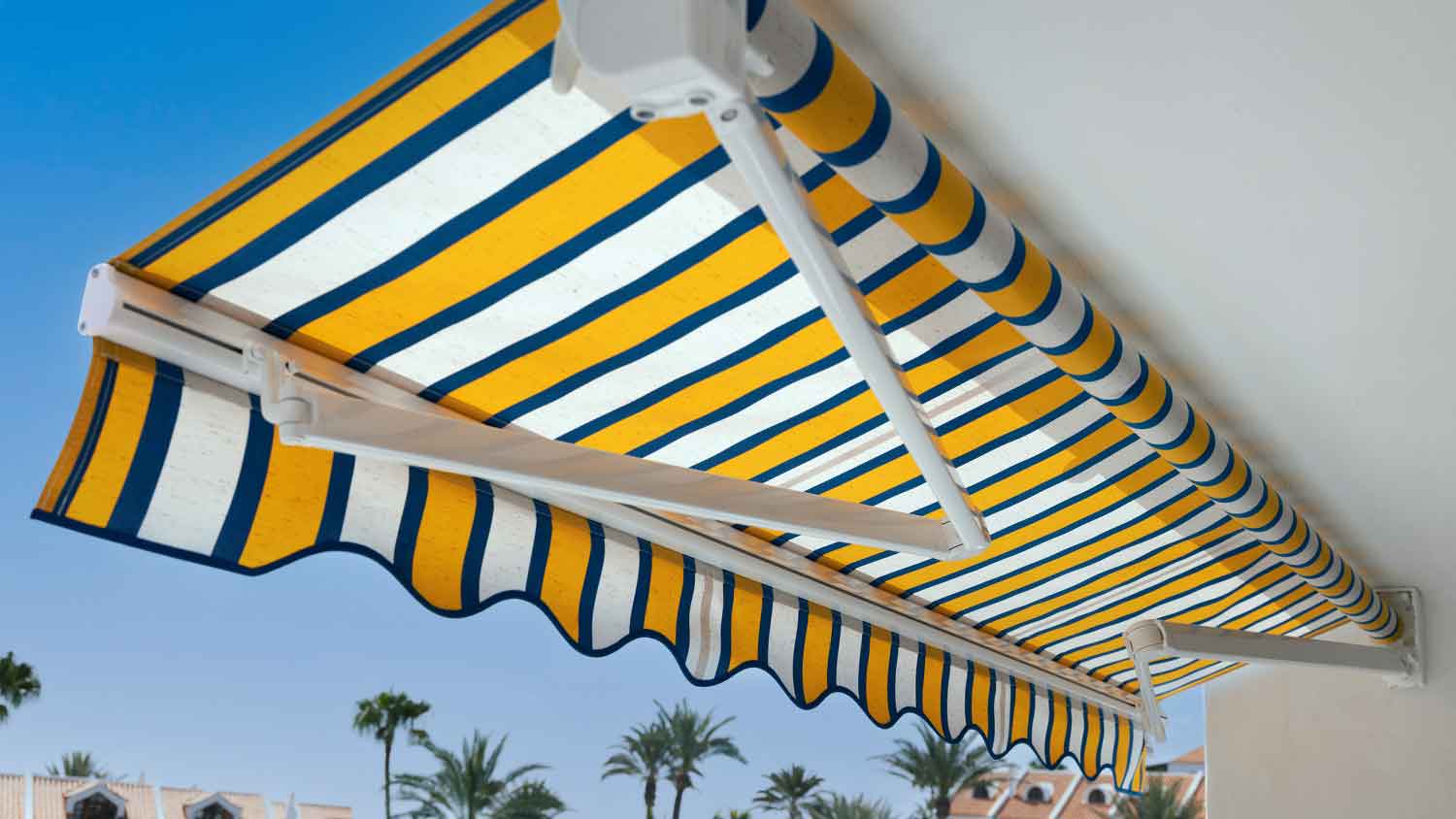
If you're handy, it might be worth trying to install retractable awnings yourself. Just keep in mind that motorized retractable awnings require much more know-how, and the risk of something costly going wrong (such as damaging your new awnings) is higher.
Mechanical awnings should be easy to install for the average person with some handyman skills.
Hurricane fabric is a temporary form of hurricane protection that offers an alternative to boarding up windows or installing traditional storm panels. It is installed over windows, doors, and other openings before a storm. When installed properly, hurricane fabric is tested and proven to protect homes from Category 5 hurricanes, which can have winds over 157 miles per hour. It is intended to block the majority of wind and rain and protect against water, debris, and projectile damage. While the fabric is exceptionally durable, windows can still break if hit directly by high-velocity debris. Compared to other options, hurricane fabric is more protective than hurricane window film. Boarding up windows is more labor-intensive and requires storing heavy plywood, while hurricane screens are permanently attached to your home. To further increase protection, you can take additional steps like securing outdoor items and fortifying your home's foundation.
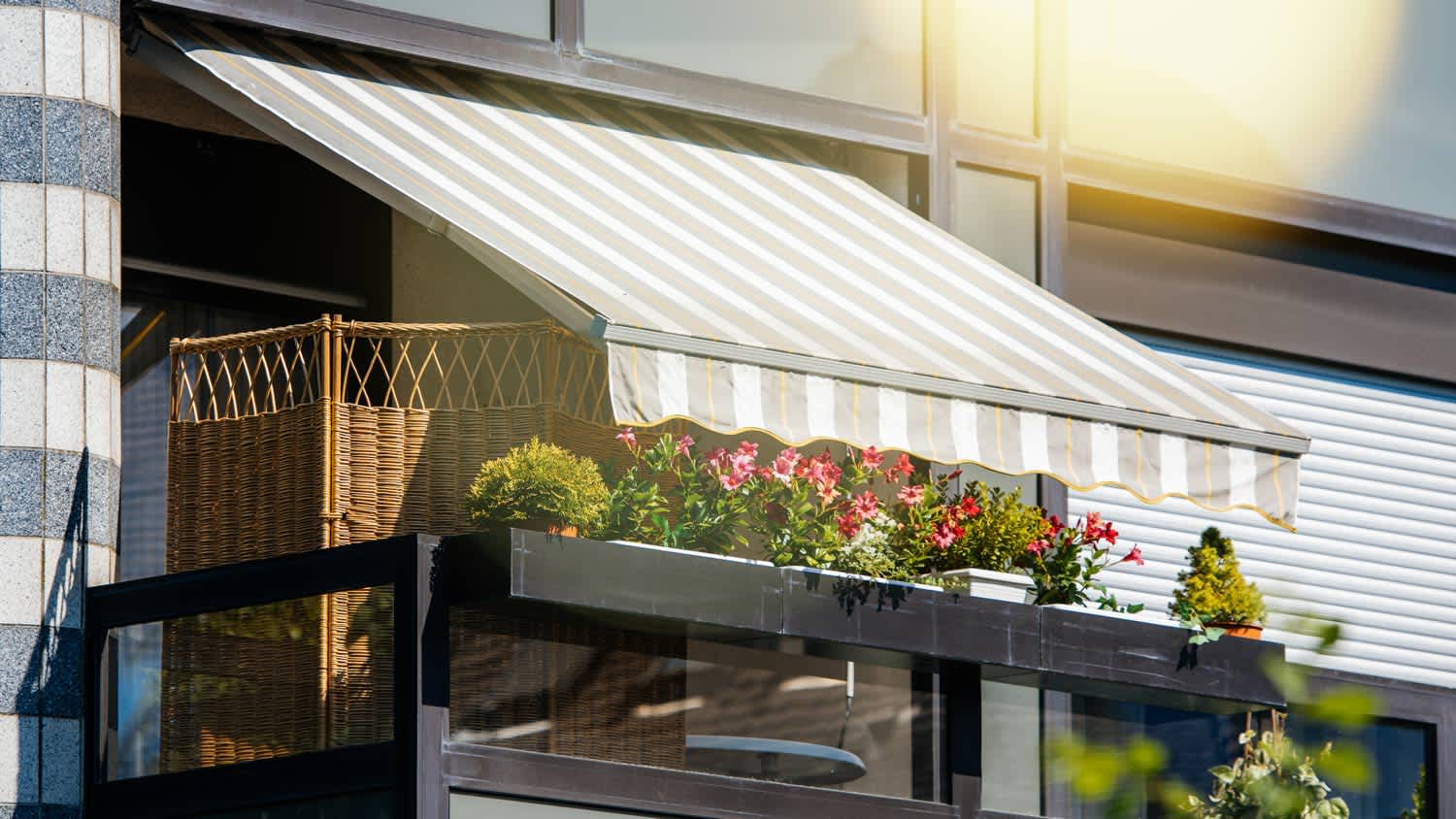
Awnings offer a number of benefits, including:
Reduced summer home cooling costs with lower solar heat gains
Protection from sun, rain, and snow damage
Increased curb appeal for your home
Keep in mind that awnings also have drawbacks, including the potential to reduce your view, block natural light, and create new occasional home maintenance needs.
There are many materials to choose from, including picket fencing, wood slats, galvanized metal skirting, dog-ear fence panels, scallop wood fence panels, bamboo screens, and other decorative screens. You can search for materials at local big box stores like Home Depot or scour online home improvement sites. Good search terms to use are fencing, skirting, and privacy panels.
There are many ways to mitigate wind damage. Some of the most common methods include installing storm windows and doors and wind-rated garage doors. When you get a wind mitigation inspection, the inspector will also assess the condition and shape of your roof to see how well it will withstand strong winds.
The Rapid River, MI homeowners’ guide to patio cover services
From average costs to expert advice, get all the answers you need to get your job done.
Learn how to hire a fabric awning or patio cover installation pro. Find qualified contractors, ask the right questions, and get your project done right.
Consider these awning questions when installing or replacing a metal awning or patio cover. The answers can determine who you hire and how long the project takes.