




Top-rated paving pros.

Get matched with top paving pros in Marion, MI

Enter your zip and get matched with up to 5 pros

Need a pro for your paving service project in Marion, MI?

Select your specific project to find the pro for you.

Find Paving pros in Marion

Avatar for Deuces landscaping & Excavation
Deuces landscaping & Excavation
5.0(
8
)
Gravel or Loose Fill Paving - Install, Spread or Scrape

Serving Marion, MI and surrounding areas

Approved

In business since 2022

Offers commercial services

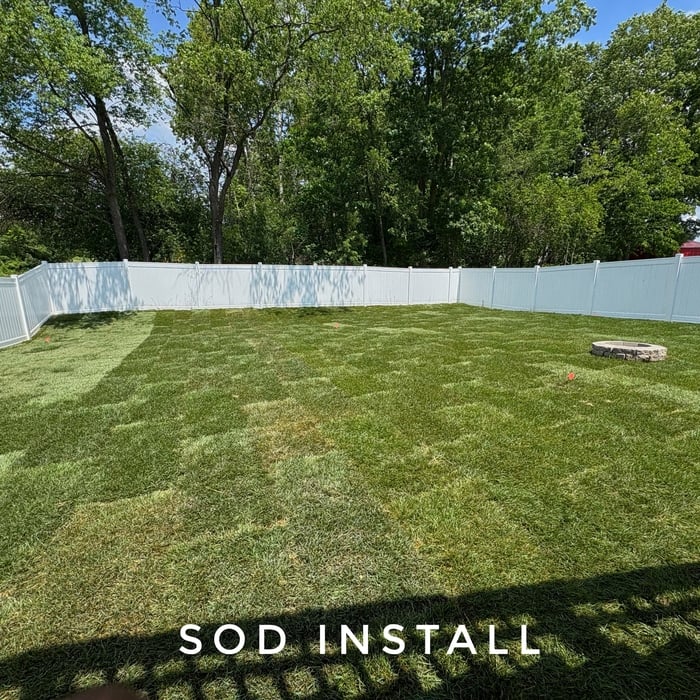
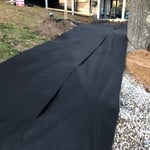
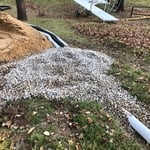
"Joe and his crew did a fantastic job!!! Always keeping in contact with me and my husband. He is an all in one guy. He removed a huge pine tree in order to get out drain field in, put our fence back together and even hydro seeded our lawn. I would give this guy a 10 star if I could."

Project Photos
Project Photos
Project Photos
Project Photos
Project Photos

+2

30 neighbors recently requested a quote

Glen Falin
5.0(
4
)
Interlocking Pavers for Patios, Walks & Steps - Install

Serving Marion, MI and surrounding areas

In business since 2012

Free estimates

Credit card accepted

"They were extremely responsive and prompt. I received a call within an hour of requesting service. Arrangements were made to meet and review the project very timely. I received an immediate estimate and the price was very fair. The work was handled well on the designated date and time and the work was done very well."
Response time5 hrs
Recommended by100%of homeowners
PENINSULA PAVERS
4.4(
5
)
Asphalt Paving - InstallAsphalt Paving - Install- For BusinessAsphalt Paving - Repair or Patch+2 more

Serving Marion, MI and surrounding areas

In business since 1994

Free estimates

Credit card accepted

"The price was fair. When they originally came to do it, there was not enough road gravel down so we had to have the other guy come back and redo that. We kept getting a promise date and then they wouldn't show. It took a while to get them back so we were a little disappointed with them. We couldn't reach them. We would leave messages and they wouldn't call back. Since we missed our first opportunity, then we got pushed back and they took care of the other places. They should have responded and let us know. When they finally did come the crew was great and the finished product was good. The pricing was in the ballpark. This was set up through our contractor. They did finally come when they said but it took 3 times. We might look for somebody else in the future."
Recommended by75%of homeowners
Showing 1-10 of 29
Paving Services questions, answered by experts

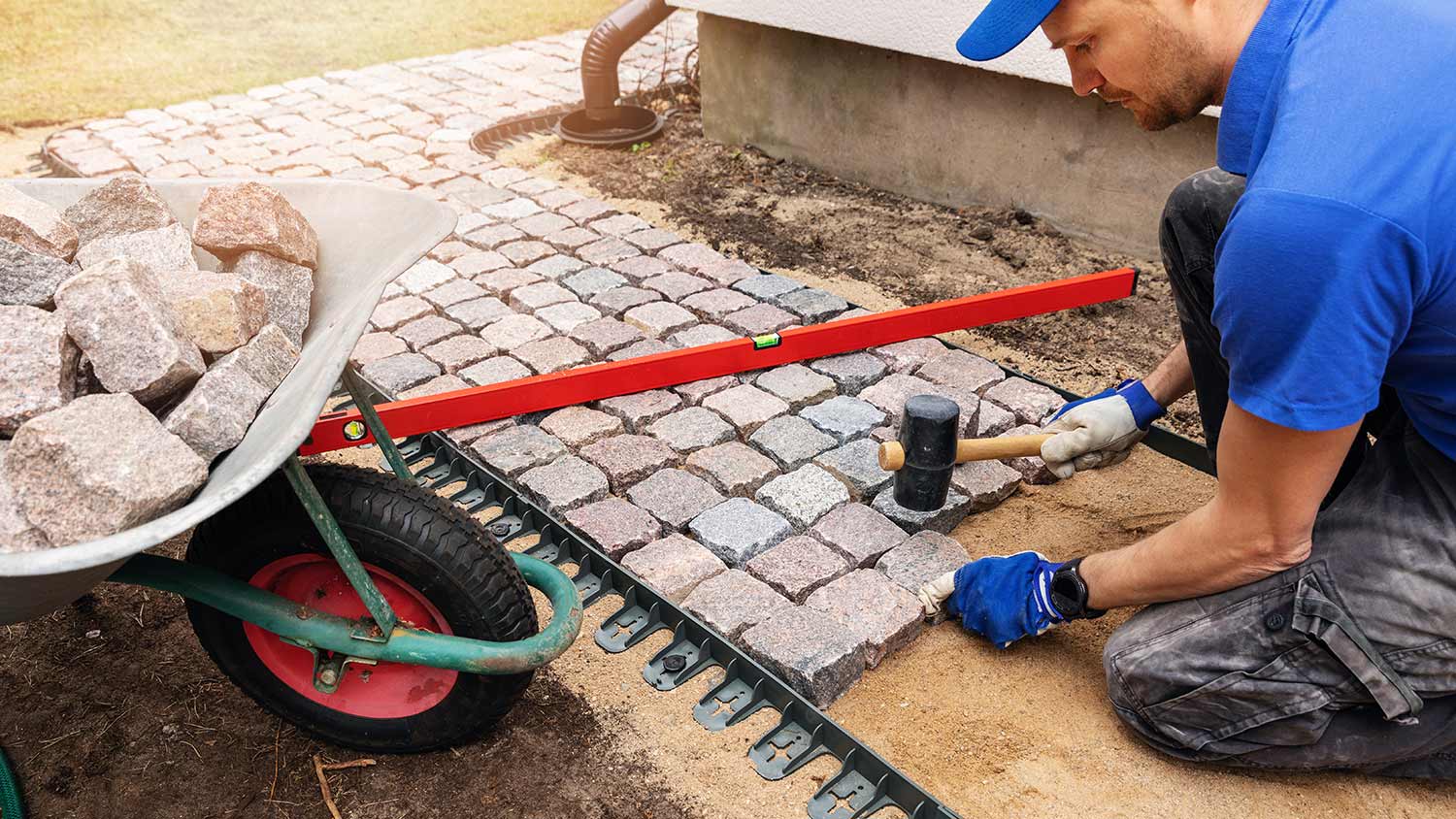
You’ll first need to install a base underneath your pavers for extra stability and drainage. Otherwise, the pavers can sink into the ground, and you’ll have to reinstall them. Use a base gravel layer of 4 to 6 inches for walkways and 10 to 12 inches for driveways. Compact your gravel layer every 2 to 4 inches so it’s nice and solid. After you install your gravel base, apply a 1-inch layer of sand on top.

While water-related pressure caused by poor drainage is one common cause of paver cracking, other factors can include ground movement beneath pavers, heavy loads and wear and tear over the pavers, and climates with constant freeze-thaw cycles. In general, pavers should be resealed every three to five years to prevent cracking.

Asphalt and tarmac are not the same thing. Traditional tarmac, short for tarmacadam, uses tar as a binder to hold crushed stone together. Asphalt uses bitumen—a byproduct of crude oil—to bind aggregate. Though tarmac was once a go-to for roads, asphalt has become the modern standard. And these days, most surfaces referred to as “tarmac” are actually asphalt. So, while the names may overlap, the key distinction lies in the binder—tar for tarmac and bitumen for asphalt.

Interlocking pavers offer a number of advantages over regular pavers. For instance, they’re more durable, more resistant to shifting, and easier to repair. There are also permeable options that allow for drainage. However, interlocking pavers are more often more expensive than regular pavers and are prone to growing weeds over time.

Box fill refers to the maximum number of conductors that can be contained within a wiring enclosure box, as well as the total volume of the components. Determining the allowable number of conductors in a box requires adding up the number of conductors, clamps, support fittings, devices and equipment, and equipment grounding conductors to make sure you’re within the allowable volume.

The Marion, MI homeowners’ guide to paving services

From average costs to expert advice, get all the answers you need to get your job done.