Pruning bushes will encourage new growth and flowering and keep them hardy. Removing dead and diseased branches is vital to your bush's health. It can also deter pests from infesting your bushes. Not only is it beneficial to the bushes, trimming and shaping them will make your lawn look lush and polished.
Lazy composting involves putting leaves, grass clippings, and plant trimmings in a corner of your yard and letting nature take its course. There is no turning, watering, or balancing green and brown materials. It’s a low-effort, long-term approach that can take up to one or two years to create finished compost. It is perfect for gardeners who don’t mind waiting and want a no-fuss way to repurpose organic waste.
Clearing 1 acre of land takes anywhere from two to 12 hours for a professional team, depending on what they’re removing. The amount of time needed to complete the project depends on the size of your acreage, the land’s condition, the size of the crew completing the work, and what type of equipment they’re using. Smaller projects normally take a few hours, while larger projects may require one or two full workdays.
For minor unevenness, you don't necessarily need to remove grass before leveling. You can apply a topdressing mixture to fill in low areas and even out the surface. However, for more significant unevenness or deep depressions, it might be necessary to temporarily remove the grass to ensure proper leveling and soil compaction. After filling and leveling, you can replace the grass or consider reseeding the area.
In the short term, you’ll have a lot of fallen trees to deal with. Tree removal services costs typically start at $200 per tree and increase based on species and size. Then, you’ll have to deal with the loss of trees: That means a loss of shade and a greater risk of rain runoff and erosion. Also, you’ll miss out on the health and aesthetic benefits of having trees on your property, which could even affect the resale value of your home.
That being said, cutting down a tree it’s not always a bad idea. Trees growing too close to rooftops can present fire hazards or debris problems. You may need to remove diseased or dying trees to prevent future issues.
The Marion, MI homeowners’ guide to brush chipping services
From average costs to expert advice, get all the answers you need to get your job done.
The cost of a tar and chip driveway falls between gravel and asphalt. Is this unique process the happy medium you've been looking for? Let's take a look.
Does your toilet water rise and then slowly drain? Find out common reasons why this is happening and how to fix them to get your toilet up and running again.
Revitalize your stainless steel with a fresh coat and color of paint. Find out how to paint stainless steel and create a new look for your appliances or countertops.
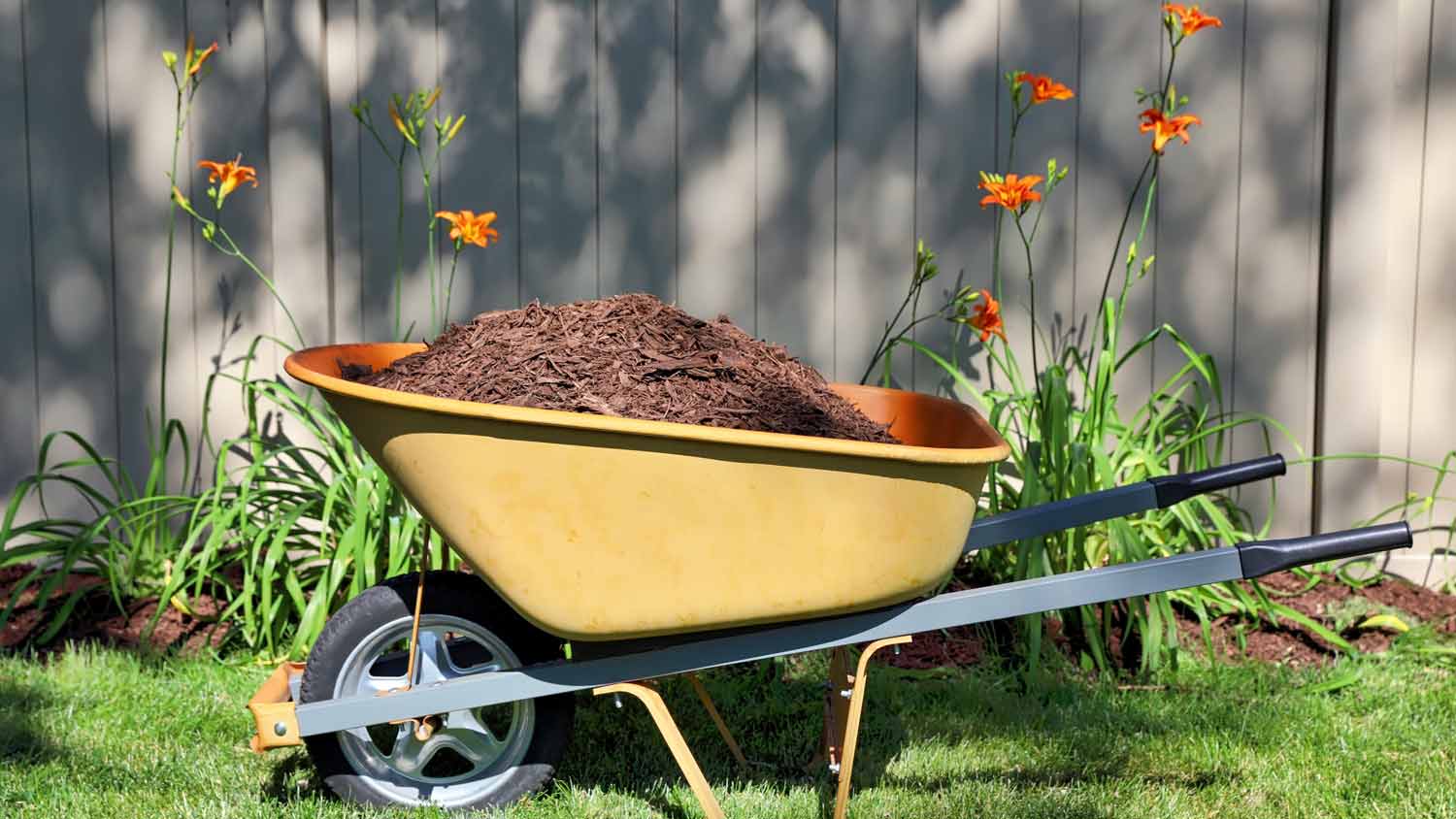
What’s the debate between wood chips vs. mulch? Wood chips are pieces or shredded wood from the interior of a tree trunk, while mulch can be made from a variety of materials.

 5
5  32
32