








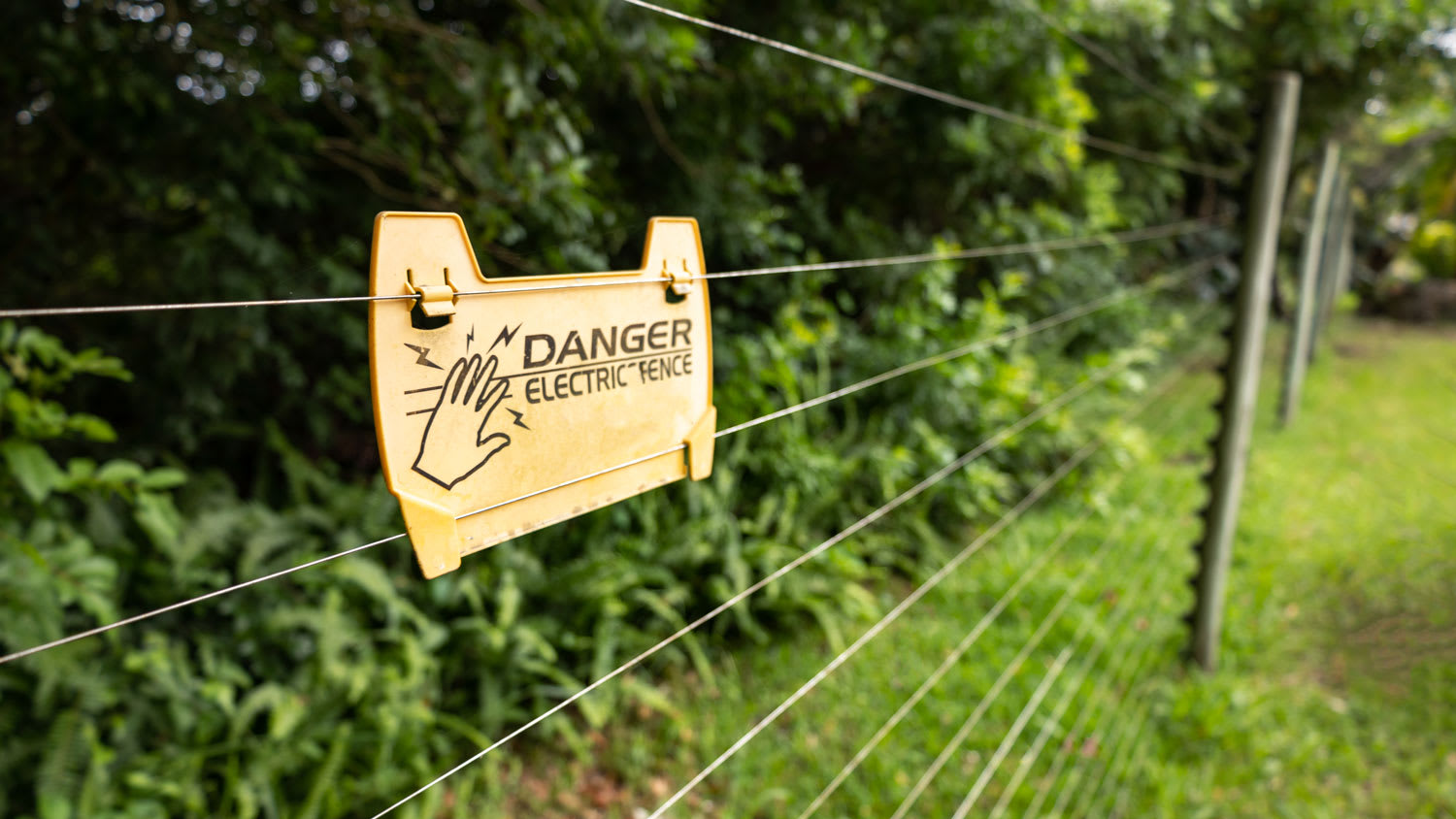
An electric fence is an effective way to keep animals in your yard. Learn how much different electric fences cost, in this guide.

*The Angi rating for Animal Fencing Service companies in Kinde, MI is a rating based on verified reviews from our community of homeowners who have used these pros to meet their Animal Fencing Service needs.
*The HomeAdvisor rating for Animal Fencing Service companies in Kinde, MI is a rating based on verified reviews from our community of homeowners who have used these pros to meet their Animal Fencing Service needs.
Last update on June 02, 2026
From average costs to expert advice, get all the answers you need to get your job done.
An electric fence is an effective way to keep animals in your yard. Learn how much different electric fences cost, in this guide.
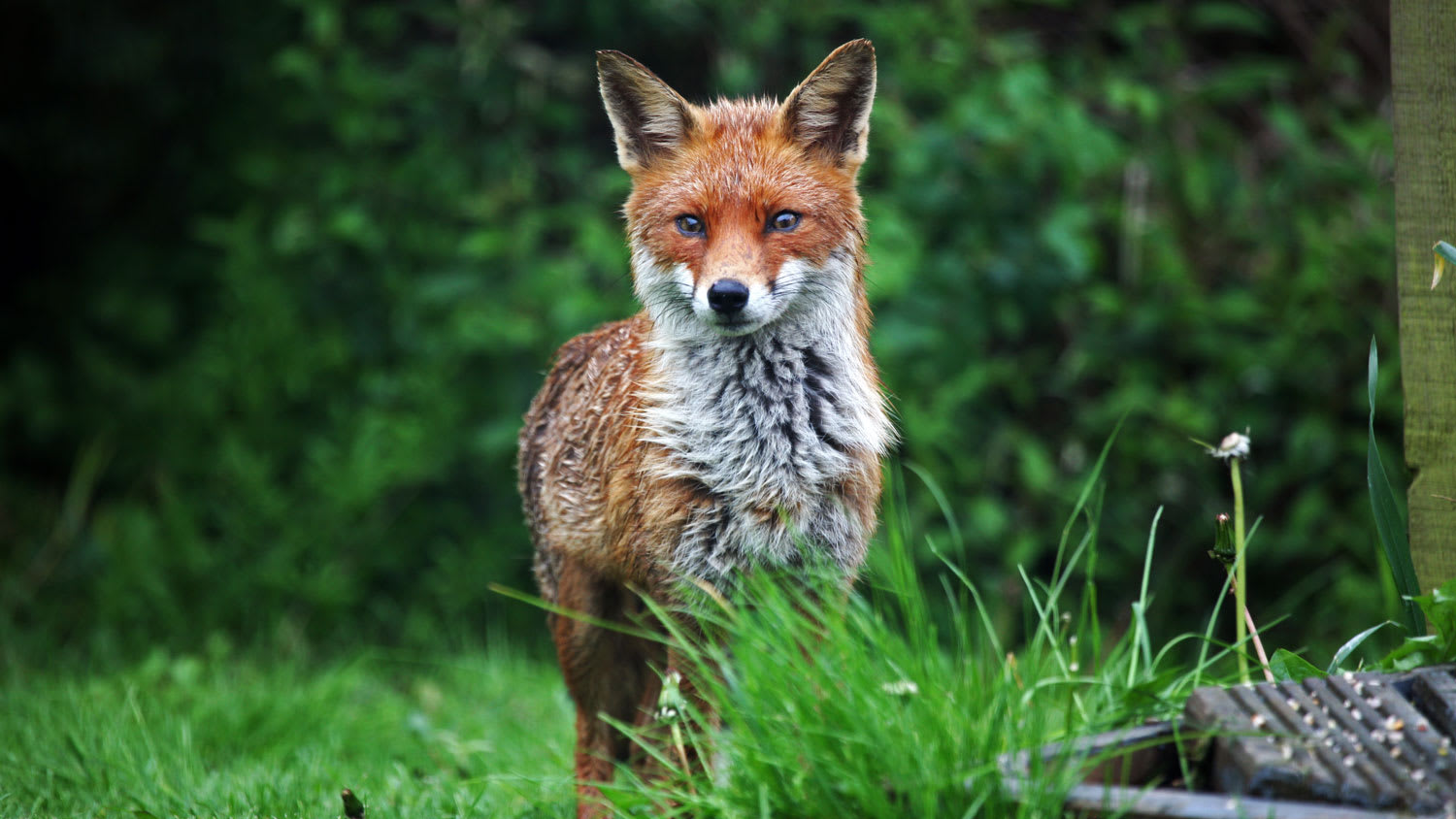
When calculating fox removal costs, factor in whether you take a DIY approach or call in the pros, the number of animals involved, and the location.
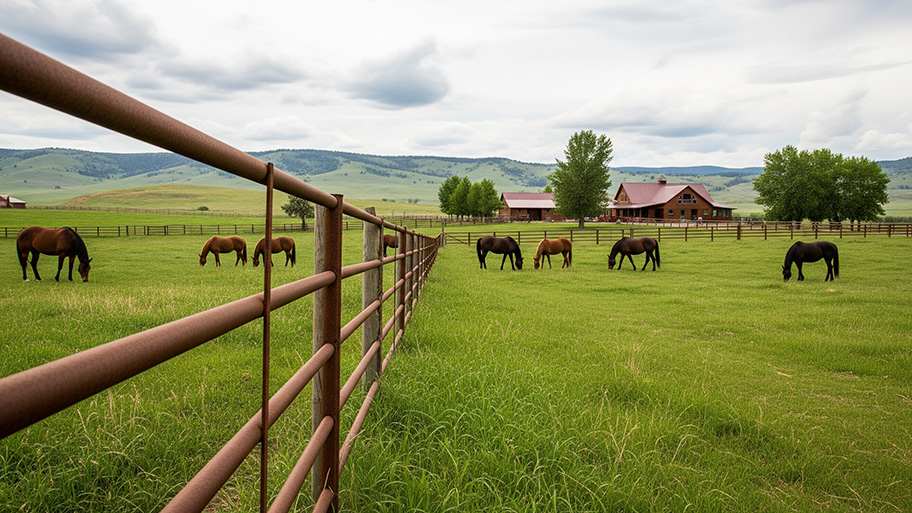
Pipe fencing is an extremely strong, durable option for containing horses and other livestock. This guide breaks down the factors that affect pipe fence cost.

There are a lot of different types of farm fencing. Find the one that’s right for your property with our handy guide.

Find out how to keep unwanted animals out of your yard with these easy tips and tricks so you can enjoy your property in peace.
Learn how to read an electric fence wiring diagram—knowing the parts of an electric fence can give you a better understanding of how it works.