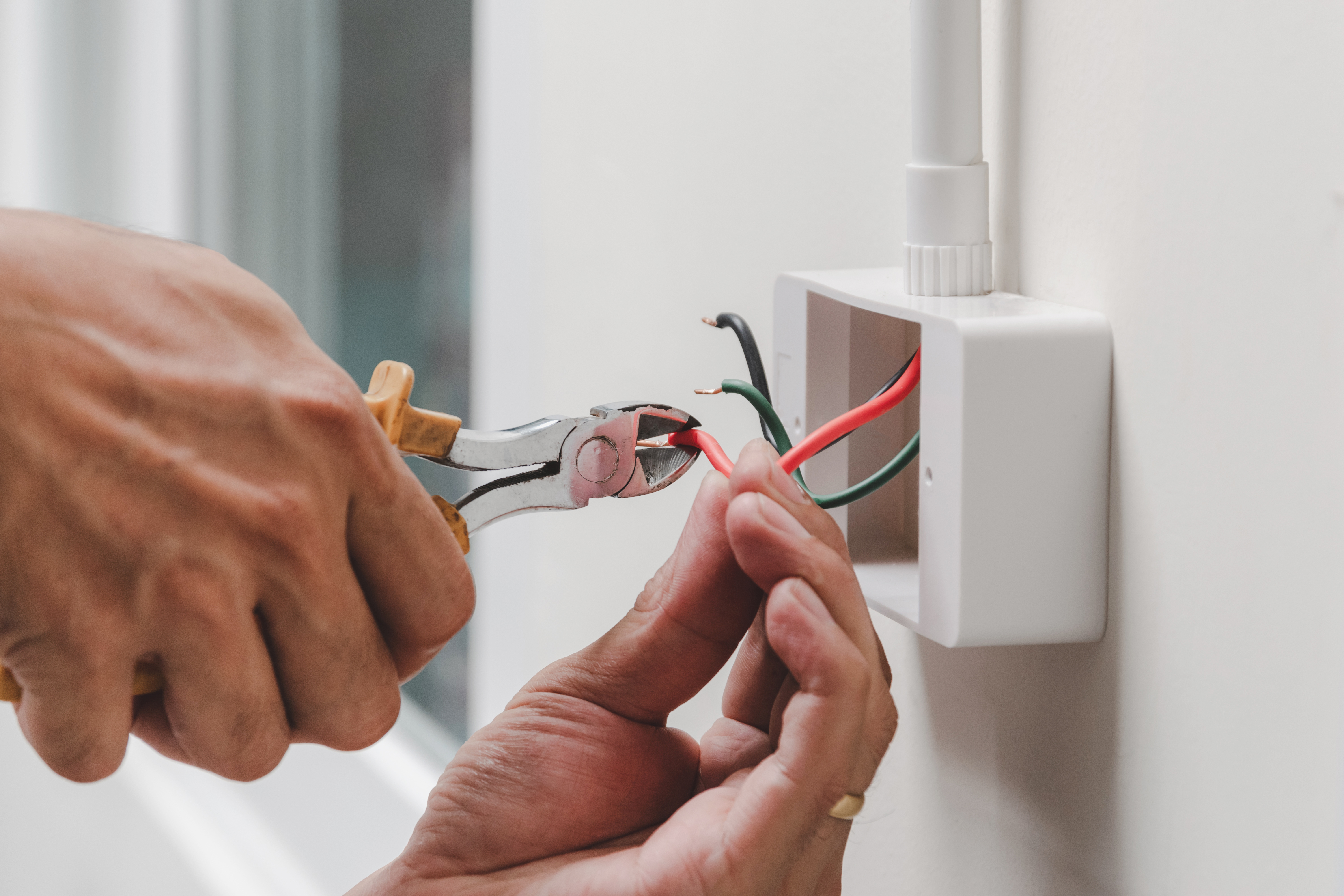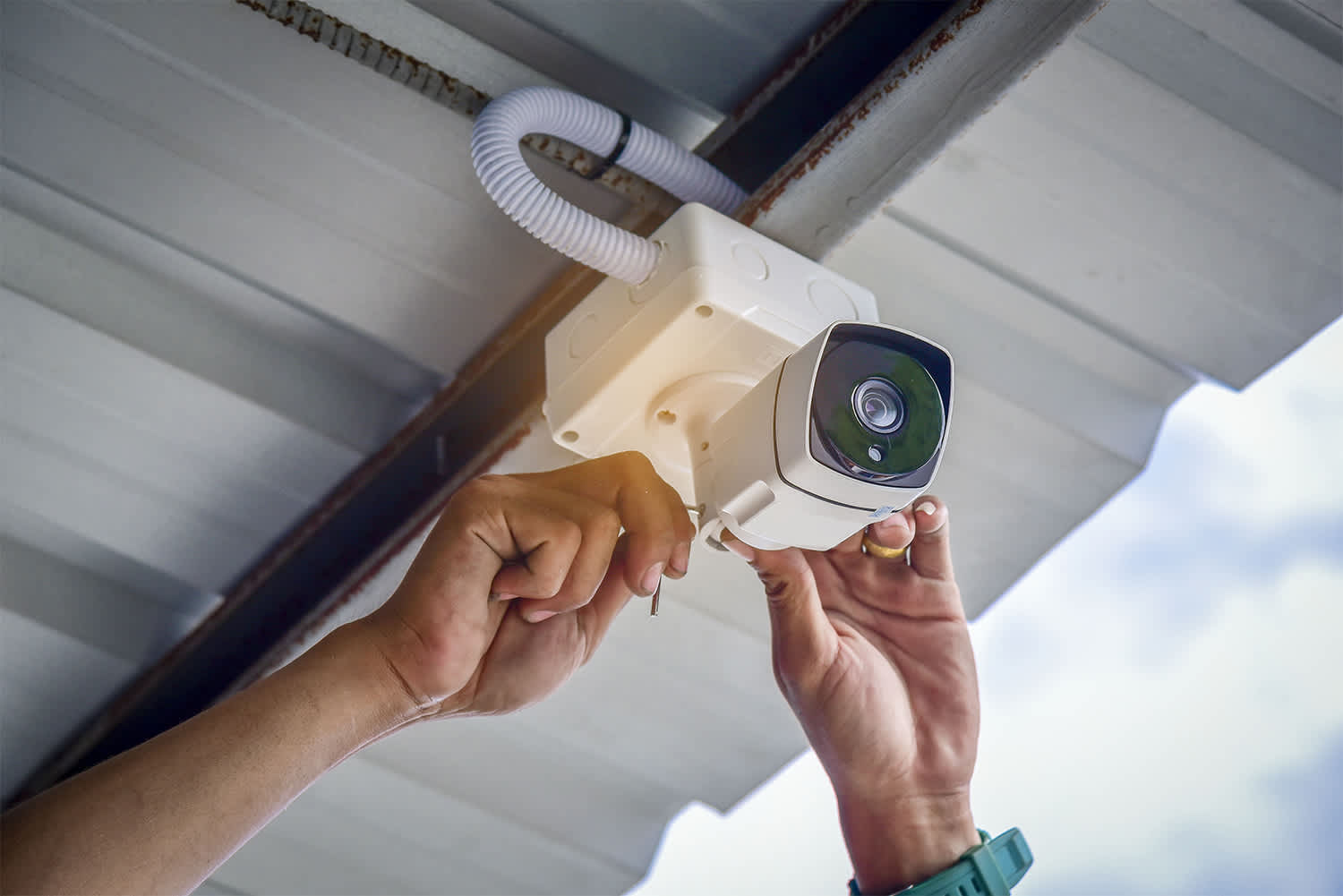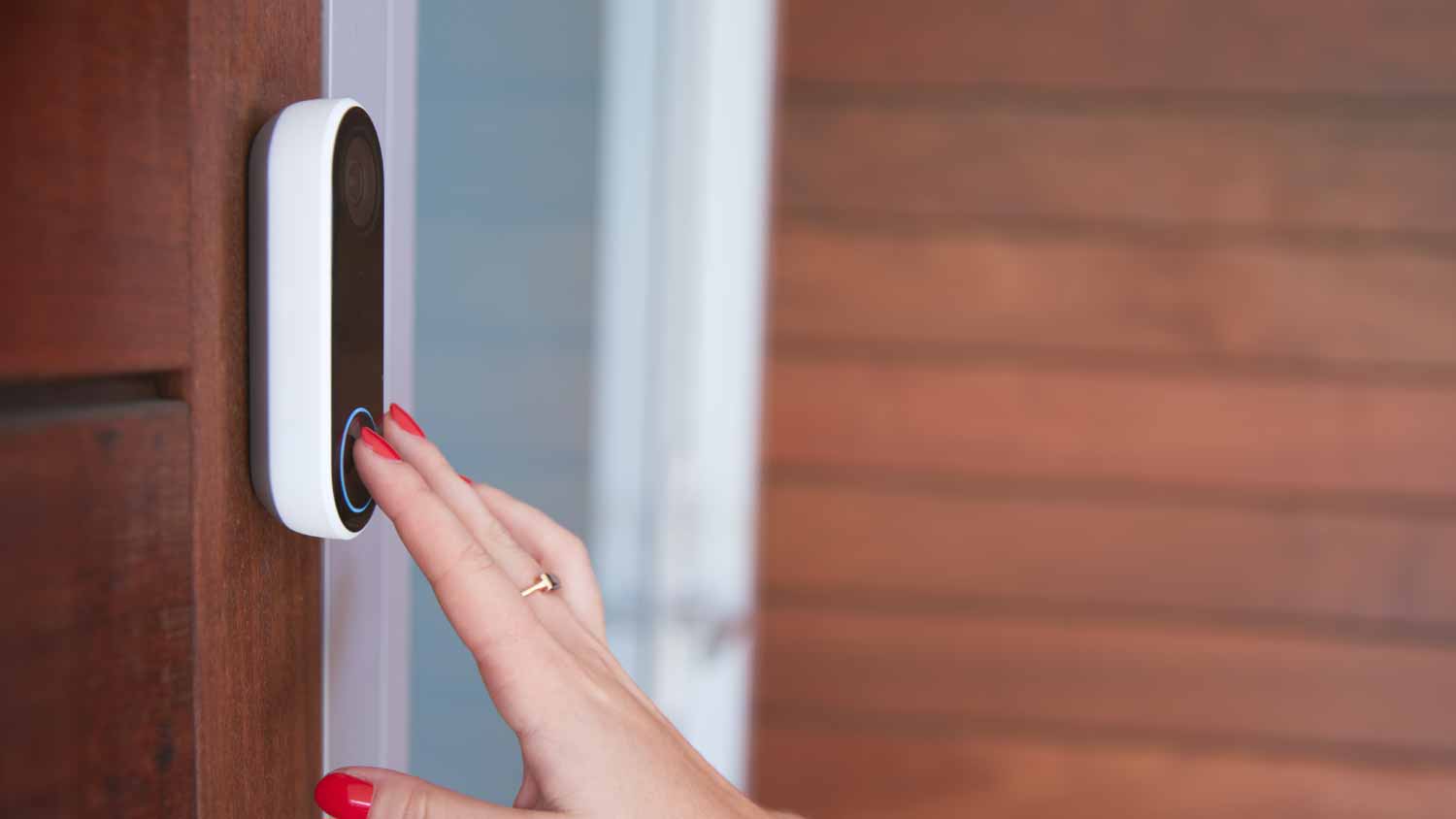




Top-rated doorbell installation pros.

Get matched with top doorbell installation pros in Jeddo, MI

Enter your zip and get matched with up to 5 pros

Need a pro for your doorbell installation project in Jeddo, MI?

Select your specific project to find the pro for you.

TRUSTED BY JEDDO, MI HOMEOWNERS

  • Average homeowner rating star icon4.6
    Average homeowner rating
  • Verified reviews icon221
    Verified doorbell installation services reviews

Find Doorbell installation pros in Jeddo

No results for Doorbell installation pro in

Try adjusting your search criteria.
Doorbell Installation questions, answered by experts

You do not always need to remove old insulation before adding new. If the existing insulation is in good condition—not wet, physically damaged, moldy, or infested with pests—you can add new insulation directly on top of it for a compounding effect. You can also mix different types, such as adding blown-in insulation around existing fiberglass batts.

However, removal is recommended if the old insulation is compromised by water damage or pests. You should also remove it if you plan to install a different type of insulation, like switching from roll or batt insulation to spray foam. If the existing insulation is very old or damaged, you will likely get more benefit from removing it and starting fresh.

While insulation is required for all exterior walls in a house, it is not typically required for interior walls. Local and state building codes mandate that new construction homes have adequate insulation in exterior walls and ceilings to suit the local climate.

However, there are several benefits to adding insulation to interior walls. It is excellent for sound-dampening between rooms and can help with temperature control by maintaining a regulated temperature in specific rooms and lowering heat transfer between adjacent areas. Insulating interior walls can also contribute to the overall energy efficiency of your home.

Structural insulated panels and rigid foam boards have the highest R-value of any insulation that contractors commonly use, with R-values reaching up to around 8.0. These types of insulation are best in extremely cold climates, but they’re generally preferred for new construction, as they can be challenging to retrofit. Blown-in and loose fill insulation provide the next best insulative value, provided the installation is done properly. It’s important to choose an insulation type that meets your needs based on climate, as maximizing R-value may not always be financially worthwhile if you live in a moderate climate.

Cellular shades, also known as honeycomb shades, are the most energy-efficient and insulating window treatments. Their honeycomb structure is made of soft fabric that forms layered cell pockets. These pockets trap air, creating a thermal barrier that reduces heat loss in the winter and blocks heat gain in the summer. For even greater insulation, consider double- or triple-cell varieties. Side-tracked cellular shades, which seal the edges of the window frame, can further minimize air leaks and maximize energy efficiency.

It's essential to use insulation materials specifically designed for air ducts. Common types of duct insulation materials include fiberglass, foam board, and reflective foil. These insulation materials have the right properties to withstand the temperature and airflow conditions within the ductwork. Using the appropriate insulation not only ensures efficient temperature control but also prevents potential safety hazards or the release of harmful particles into the air.

The Jeddo, MI homeowners’ guide to doorbell installation services

From average costs to expert advice, get all the answers you need to get your job done.