



Top-rated excavation pros.

Get matched with top excavation pros in Hope, MI

Enter your zip and get matched with up to 5 pros

Need a pro for your excavation project in Hope, MI?

Select your specific project to find the pro for you.

Find Excavation pros in Hope

Avatar for Knoch & Sons
Knoch & Sons
5.0(
2
)
Landscape - Minor Grading or ReslopingBuilding Site - Preparation and Clearing - For Business

Serving Hope, MI and surrounding areas

Approved

In business since 1996

Free estimates

Credit card accepted

"Absolutely amazing company! They do incredible work and take real pride in what they do. The quality, attention to detail, and professionalism are outstanding. They show up, get the job done right, and leave everything looking better than expected. If you’re looking for a reliable company that you can trust, I highly recommend them! You won’t be disappointed! 👏🏼🌳🚜"
Knoch & Sons
2 neighbors recently requested a quote
Avatar for NRE Excavating
NRE Excavating
4.1(
14
)
Building Site - Preparation and ClearingBuilding Site - Preparation and Clearing - For BusinessExcavation - Major Grading or Resloping+2 more

Serving Hope, MI and surrounding areas

"Everything went really good, we were only able to communicate by phone, sometimes that is difficult, but everything went smoothly, we are very satisfied with the work that was done we look forward to having other projects done by them."
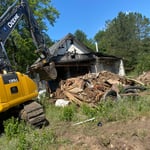
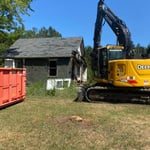
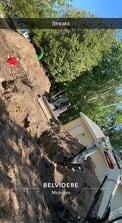
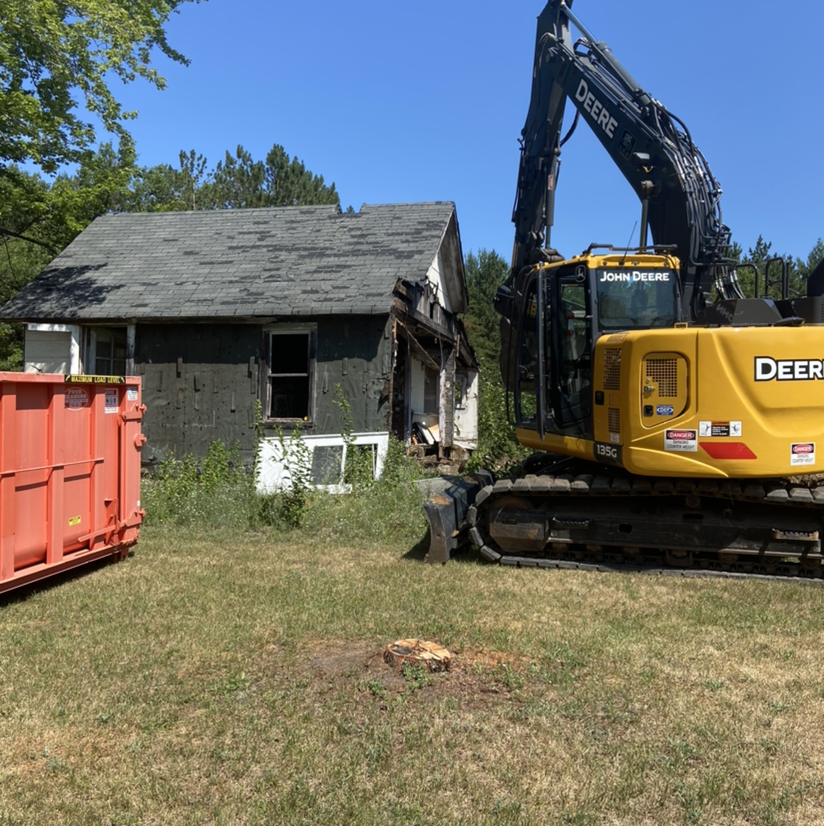
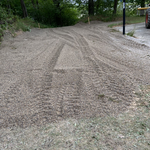
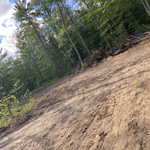
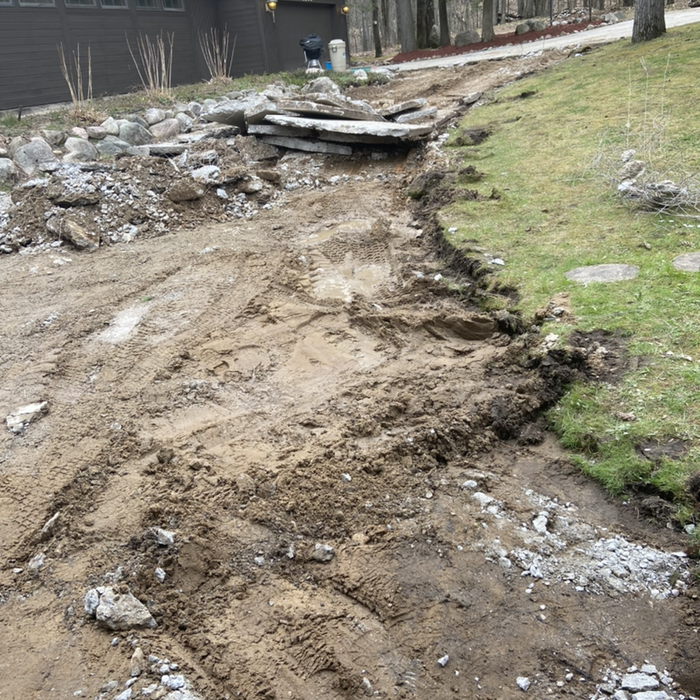
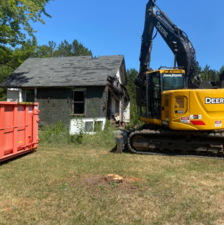
Digging out the basement of the house to put debris in.
Additional Photos
Additional Photos
Additional Photos
Additional Photos

+3

Recommended by76%of homeowners
Showing 1-10 of 43
Excavating questions, answered by experts

The best way to protect tree roots is to avoid the roots entirely by excavating outside the root radius of the tree. For nearby projects, it’s a good idea to construct a temporary retaining wall. But that’s not always possible, depending on the project and the root system. In these cases, consider using alternative equipment like an auger to tunnel under the ground.

Remember, tree roots can damage nearby cement foundations as they grow. If a tree is close enough to interfere with large excavations, it may be better to remove the tree than risk future problems.

Most residential basements are 8 to 10 feet deep. You can dig deeper depending on building codes, but it does become more difficult. You’ll likely need to install stronger foundation walls and additional supports to handle the increased load. Depending on the water table, you may also need a water management system. Clay soil can support a deeper foundation than sandy soil. A structural engineer will be able to tell you the maximum, feasible depth.

A mini excavator can dig between 5 and 11 feet deep, depending on the type and size of the mini excavator. Mini hydraulic excavators are more powerful and can reach deeper into the earth, but electric models have a more limited range. Mini excavators over two tons in size are also more powerful and able to dig as deep as 11 feet.

Yes, you can technically make a crawl space liveable, but the only way to do so is by converting it into a basement. While some crawl spaces are big enough to walk through and store large items, they lack appropriate insulation and space to be liveable.

Septic drain lines (or leach lines) are typically buried between 18 and 36 inches underground, and should be at least 6 inches below the surface. These pipes are perforated and surrounded by filtering materials like sand or gravel. Burying the lines at this depth helps minimize odors and allows bacteria and other biological processes in the soil to effectively treat the wastewater. Burying lines too close to the surface can cause issues unless the soil is very compact and stable.

The Hope, MI homeowners’ guide to excavation services

From average costs to expert advice, get all the answers you need to get your job done.