

Top-rated drywall pros.

Get matched with top drywall pros in Glennie, MI

Enter your zip and get matched with up to 5 pros

Need a pro for your drywall service project in Glennie, MI?

Select your specific project to find the pro for you.

Find Drywall pros in Glennie

Avatar for Northern Michigan Handyman
Northern Michigan Handyman
5.0(
6
)
Drywall - Repair

Serving Glennie, MI and surrounding areas

Approved

In business since 2020

Free estimates

Emergency services offered

"Drew is a great guy with a wide range of skills. He did some electrical work on outdoor plugins, put steel siding on an old shed, and did tuckpointing and surface sealing on a huge old barn built in the 40s, built a new livestock door for the barn, and installed a storm door. We've got plans for LVT flooring and shed roofing for 2026. Hire him. You won't be disappointed. He's an honest guy who's always cheerful, reliable, helpful and focused on getting the job done right."
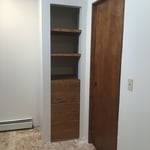
Bathroom closet
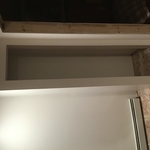
Closet before
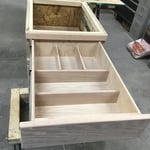
Drawer dividers
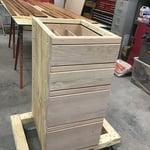
Custom drawer unit
Drawer unit 2

+22

1 neighbors recently requested a quote
T.SP Engineering LLC
5.0(
3
)
Drywall - InstallDrywall - Repair

Serving Glennie, MI and surrounding areas

In business since 2024

Free estimates

Emergency services offered

"I highly recommend this business. Bryanâ s work is second to none. Pricing is fair and transparent, definitely value for your money. I was completely impressed with his professionalism and customer service. His work exceeded my expectations. Iâ ll be going with T.SP Engineering LLC for all my handyman needs!"
Deck Build
Deck Build
Deck Build
Response time20 mins
Recommended by100%of homeowners
Avatar for Platinum Painting & Log Home Restoration
Platinum Painting & Log Home Restoration
5.0(
1
)
Drywall - RepairDrywall - Install

Serving Glennie, MI and surrounding areas

Free estimates

Emergency services offered

Warranties offered

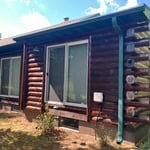
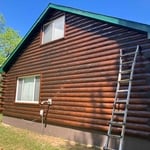
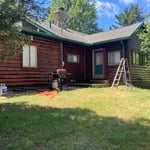
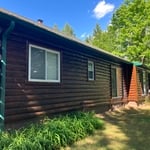
I have been a high end professional painter for almost 12 years. We have done a ton of high end homes and we specialize in log home restoration as well. WE LIKE TO USE TAPE!!\nI’ve done most of my work up north and in mount pleasant, I am highly efficient and effective in drywall repairs and skim coating. \nWe pride ourselves in proving high end paint and drywall jobs at an affordable price. We provide free estimates. \n

Log home
Log home
Log home
Log home
Log home

+7

7 neighbors recently requested a quote
Great Lakes Drywall and Finishing
New to Angi
Drywall - InstallDrywall - Install - For BusinessDrywall - Repair+1 more

Serving Glennie, MI and surrounding areas

In business since 2012

Free estimates

Offers commercial services

We have a single mission: Complete Customer Satisfaction! We have consistently focused on the needs of our customers, providing personalized attention and a stress-free experience.\nYou will find us to be competitively priced with close attention to the details.\nOur reputation is based on service, safety, and quality, regardless of how large or small the job.\nWe look forward to building a lasting relationship and guarantee your satisfaction!\n

Showing 1-10 of 43
Drywall questions, answered by experts

Your walls are likely cracking due to fluctuations in the temperature outside. Drywall tends to expand and contract when temperatures and humidity levels change, and this repeated movement can lead to cracks in your walls, particularly around door frames. If you have multiple diagonal cracks, you may want to have your foundation inspected, as cracks can also be a sign of a bigger issue.

Both plaster and drywall are durable wall finishes, but they differ significantly in installation, cost, performance, and aesthetics.

Installation & Cost: Drywall installation is faster and more affordable, typically costing $1.50 to $3 per square foot. It uses premade sheets, making it a more accessible DIY project. Plastering is a labor-intensive craft that requires specialized skills, pushing costs to $2 to $10 per square foot. It involves applying a wet paste over a lath framework.

Durability & Performance: Plaster is generally more durable, longer-lasting, and provides superior soundproofing. It is also a better insulator, which can help reduce energy costs. Drywall is easier to remove for future renovations.

Aesthetics: Drywall provides a smooth, uniform surface ready for paint or texture. Plaster offers a high-end, naturally textured look that can hide imperfections and is often preferred for achieving a classic or historic aesthetic.

Which is better? The choice depends on your priorities. Drywall is ideal for those prioritizing a lower upfront cost, faster installation, and DIY potential. Plaster is the better option for a higher-end project where durability, soundproofing, and a unique, premium finish are more important than the initial cost.

Some textures are easier than others to DIY, but the short answer is yes, you can absolutely texture walls yourself. You’ll need certain materials, like a trowel or paint sprayer, but the most important things you’ll need are patience and time. DIYing wall texture can save money and be a fun, messy project, but homeowners need to know that adding texture to a wall isn’t a quick project. 
Although they have similar applications, spackle and joint compound are not the same. Their primary differences lie in their composition, consistency, and ideal use cases.

Spackle is composed of gypsum and binding agents, making it thicker than joint compound. It dries quickly and is easy to sand, which makes it ideal for small wall repair projects like filling nail holes or patching minor damage.

Joint compound, also known as drywall mud, consists of limestone and gypsum. It is primarily used for large-scale projects, such as taping and finishing the seams on newly installed drywall. It tends to shrink more than spackle and can be more difficult to spread.

While both products can be used to fill small depressions and cracks, spackle cannot replace joint compound for taping and mudding new drywall. Conversely, you can often use joint compound for small patching jobs typically done with spackle.

In framing, studs are placed at 16-inch intervals to coincide with the typical spacing of wall materials such as drywall or plywood. This spacing is called "on-center" and is necessary for maintaining structural stability and efficient use of materials. The 16-inch spacing also helps to distribute the weight evenly across the building's structure. For those looking to cut material costs and improve energy efficiency, 24-inch stud spacing can be employed through a method called "advanced framing". This requires careful planning and adherence to local building codes to ensure structural integrity.

The Glennie, MI homeowners’ guide to drywall services

From average costs to expert advice, get all the answers you need to get your job done.