




Top-rated asphalt driveway pros.

Get matched with top asphalt driveway pros in Falmouth, MI

Enter your zip and get matched with up to 5 pros

Need a pro for your asphalt driveway service project in Falmouth, MI?

Select your specific project to find the pro for you.

Find Asphalt driveway pros in Falmouth

Avatar for Deuces landscaping & Excavation
Deuces landscaping & Excavation
5.0(
10
)
Gravel or Loose Fill Paving - Install, Spread or ScrapeConcrete Driveways & Floors - Install- For Business

Serving Falmouth, MI and surrounding areas

Approved

In business since 2022

Offers commercial services

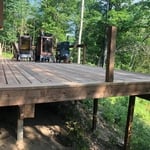
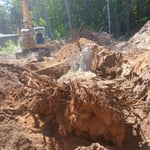
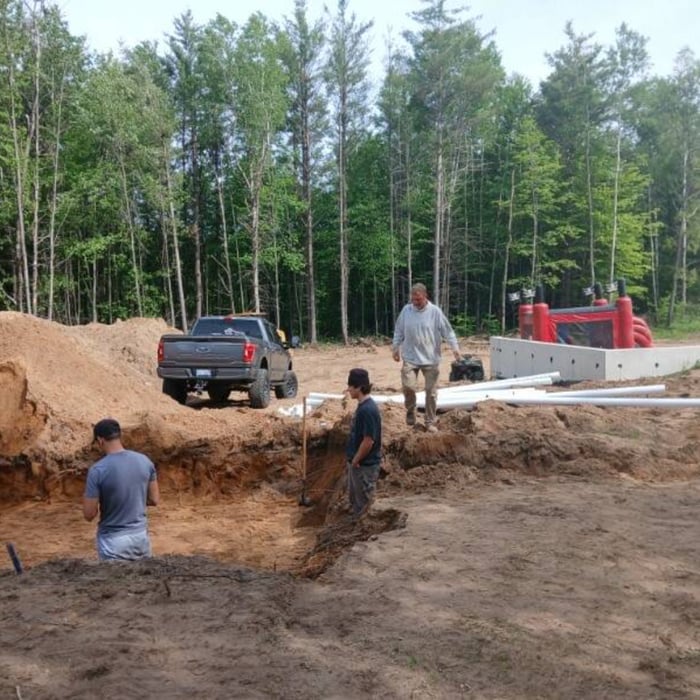
"Joe and his crew did a fantastic job!!! Always keeping in contact with me and my husband. He is an all in one guy. He removed a huge pine tree in order to get out drain field in, put our fence back together and even hydro seeded our lawn. I would give this guy a 10 star if I could."
Project Photos
Project Photos
Project Photos
Project Photos
Project Photos

+2

37 neighbors recently requested a quote
Avatar for Property Services of Michigan
Property Services of Michigan
5.0(
3
)
Asphalt Paving - InstallAsphalt Paving - Install- For BusinessAsphalt Paving - Repair or Patch+1 more

Serving Falmouth, MI and surrounding areas

In business since 2007

Free estimates

Emergency services offered

"He gave me a quote and did exactly what he said he was going to do. He was clear about to procedure and what he needed to do. It was nice and clean after the service, I didn't have to do any touch ups or clean ups. I was so happy with the results, I hired him to complete resurface my driveway."
Recommended by100%of homeowners
...
Showing 1-10 of 56
Asphalt Driveways questions, answered by experts

Instead of a set number of types, asphalt comes in variations designed for different needs. Some are categorized by temperature—hot mix, warm mix, and cold mix. Others are sorted by composition, like dense-graded, gap-graded (such as Stone Matrix Asphalt), porous, and mastic asphalt. There are also modified versions with added compounds like polymers, rubber, or emulsions. Instead of focusing on a number, it may be more useful to understand how contractors customize asphalt for durability, climate, and traffic conditions.

If you’re looking for a similar, eco-friendly driveway material, you might consider one of these options:

  • Permeable pavement: This material is sometimes called “pervious” or “porous” pavement; it allows stormwater to drain into the subbase, eliminating storm drain costs. 

  • Gravel: Consider paving your driveway with locally sourced gravel. By sourcing from a nearby source, your money won’t fund international shipping and will be invested back into your local community.

  • Natural stone pavers: Because natural stone pavers are made from organically-produced stone, there’s no new manufacturing required, limiting the environmental impact. In addition, water easily flows and drains through the gaps in the pavers.

New asphalt goes through two stages: drying and curing. Drying typically takes 24 to 72 hours, after which the surface is solid enough for light use like walking or careful driving. While you may be able to park on it after 72 hours, the surface is still soft and should be treated gently. Full curing is a much longer process, taking anywhere from 30 days to a full year for the asphalt to reach maximum strength. During this extended curing period, the asphalt is susceptible to damage from heavy vehicles, sharp objects, and high temperatures. Factors like weather, the specific asphalt mix, and application thickness all influence drying and curing times. For the most accurate timeline and to ensure the longevity of your new asphalt, it is always best to consult with your installation contractor for their specific recommendations.

The choice between asphalt and concrete depends on your priorities, budget, and climate.

Concrete is generally more durable, lasting up to 50 years with minimal upkeep, and offers more customization options like staining and stamping, which can add more to a home's value. However, it is more expensive upfront and can be prone to cracking in cold climates where water can freeze and expand.

Asphalt is typically cheaper and quicker to install and is easier to repair. It performs better in colder climates. However, it requires more maintenance, including regular resealing, has a shorter lifespan, and can get hot and sticky in intense sunlight.

Ultimately, if durability and long-term value are key, concrete is often the better choice. If upfront cost and performance in cold weather are more important, asphalt may be preferable.

An asphalt driveway should be at least 3 inches thick over a compacted gravel base. Areas with poor drainage should have a thicker stone base. To install a new asphalt driveway over an existing driveway, the new asphalt should be at least 2 inches thick and the existing driveway should be in relatively good condition.

The Falmouth, MI homeowners’ guide to asphalt driveway services

From average costs to expert advice, get all the answers you need to get your job done.