
Top-rated concrete leveling pros.

Get matched with top concrete leveling pros in Dafter, MI

Enter your zip and get matched with up to 5 pros

Need a pro for your concrete leveling project in Dafter, MI?

Select your specific project to find the pro for you.

Find Concrete leveling pros in Dafter

Avatar for Groundworks
Groundworks
5.0(
32
)

Serving Dafter, MI and surrounding areas

Approved (Corporate)

Super Service Award Winner

In business since 2007

Free estimates

Warranties offered

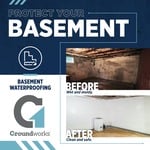
"John and Miles were excellent workers. They were very polite and professional. The job they did supporting my sagging basement wall looks like it should take care of the problem. They placed steel plates against the basement wall, and also buried other ones out in the yard, and connected them with steel rods. Then they torqued them, which should prevent any further sagging of the wall."
Basement
Basement
Basement
Basement
Concrete

+16

77 neighbors recently requested a quote
Recommended by86%of homeowners
Concrete Leveling questions, answered by experts

Generally speaking, push piers—or steel piers—are the best option for underpinning, as they reach down to solid bedrock to find support for your foundation rather than relying on soil, which could be subject to the same issues as the soil directly below your foundation. However, the best underpinning method for your home depends on your location, how far down the bedrock is, and the type of soil in your area. Helical piers are usually the best option for sandy soil or in areas where the bedrock is too deep to use steel piers.

Concrete leveling can last anywhere from five to 10 years or more, and in some cases, it can be a permanent solution. The longevity depends on the method used and whether the underlying cause of the sinking is addressed. For example, mudjacking typically lasts five to 10 years, while polyjacking can last for 20 years or more. It's best to consult a professional for an accurate timeline based on your specific situation and any factors that could cause the issue to recur.

Trenching and boring are two distinct methods for installing underground utilities. Trenching involves digging a channel using equipment like an excavator, trencher, backhoe, or shovel. While it is a simpler process, it causes significant disruption to the surface, landscaping, and surrounding ecosystems.

Boring, also known as directional boring, is a less invasive alternative that uses a drill to create a tunnel for utility lines without disturbing the surface. This method is more precise and is ideal for installations that need to go underneath buildings, roads, or bodies of water. Although boring is less disruptive, it is generally more expensive than trenching.

Most states and municipalities don’t require concrete mudjacking companies to carry a specific license, but they usually need to have a general contractor’s license, and they should be fully insured. The only exception is if the mudjacking company provides foundation repairs as well, or if it offers mudjacking for home foundations. In that case, they will typically need a foundation repair contractor’s license. You can check state requirements and then use Angi’s license lookup tool to confirm that a company is properly licensed to provide mudjacking services in your area.

Most houses are expected to settle over time, but foundation sinking of more than a few inches or uneven sinking of more than an inch for every 20 feet is cause for concern. Any significant or uneven sinking should be assessed by a professional to determine the cause and perform any necessary repairs. 

The Dafter, MI homeowners’ guide to concrete leveling services

From average costs to expert advice, get all the answers you need to get your job done.