






Top-rated bird control service pros.

Best bird control service pros near Curtis, MI

Enter your zip and get matched with up to 5 pros

Need a pro for your bird control service project in Curtis, MI?

Select your specific project to find the pro for you.

Top-Rated Bird control service pros in Curtis - Updated Nov 2026

Bird Control FAQs, answered by experts

Identifying the specific animal running on your roof at night can be challenging without direct observation. Common nocturnal roof visitors include raccoons, squirrels, opossums, and rats. Raccoons are bigger and can create heavy thumping sounds. Squirrels are agile and may produce rapid scurrying noises. Opossums tend to move stealthily with less noise. Rats can make scratching or gnawing sounds. To determine the culprit, look for signs like footprints, droppings, or damaged areas near the roof. For accurate identification, consult a pest control professional or set up wildlife cameras near potential entry points.

They can have a deterrent effect on birds to some extent. The reflective surfaces of these objects, such as aluminum foil strips, CDs, or reflective tape, create flashes of light and movement that can startle or confuse birds temporarily. However, some birds can become accustomed to these visual disturbances over time and might adapt their behavior accordingly. For a more sustained solution, combining shiny objects with other deterrent methods shared here is often beneficial for creating a more comprehensive and effective strategy for bird control.

Hawk attacks on pets are rare, and they won’t target animals that outweigh them. Hawks typically weigh between one and three pounds. That means you don’t need to worry if you have a Labrador Retriever or French Bulldog. However, small cats and toy breed dogs, like Chihuahuas, are at risk. Pet attacks are more likely in winter when food is scarce or in the early summer when inexperienced young hawks are honing their hunting skills.

Finding a dead bat in your home can be frightening, even during spooky season. The United States Department of Interior states that if you find a dead bat, take these steps:

  • Contact your state wildlife agency to report the finding

  • Photograph the bat safely to help the wildlife agency determine the species

  • Use disposable gloves to place the bat into a plastic bag, making sure to spray with disinfectant and close the bag securely 

  • Thoroughly clean your hands and any clothing that came into contact with the bat

If you see one dead bat, you might have a large bat infestation that needs to be treated immediately. Call a local pest control company to properly inspect your home for other bats.

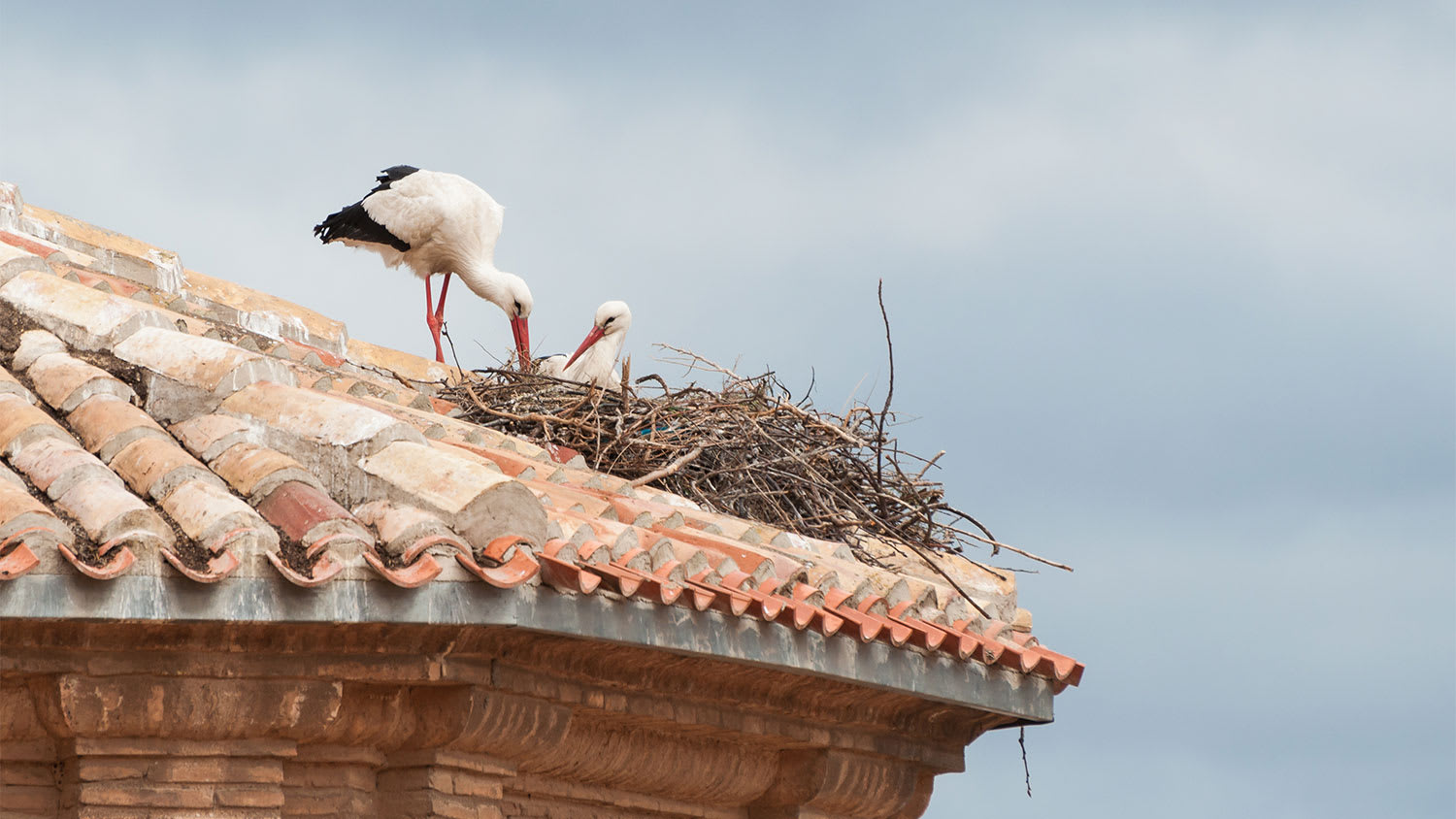
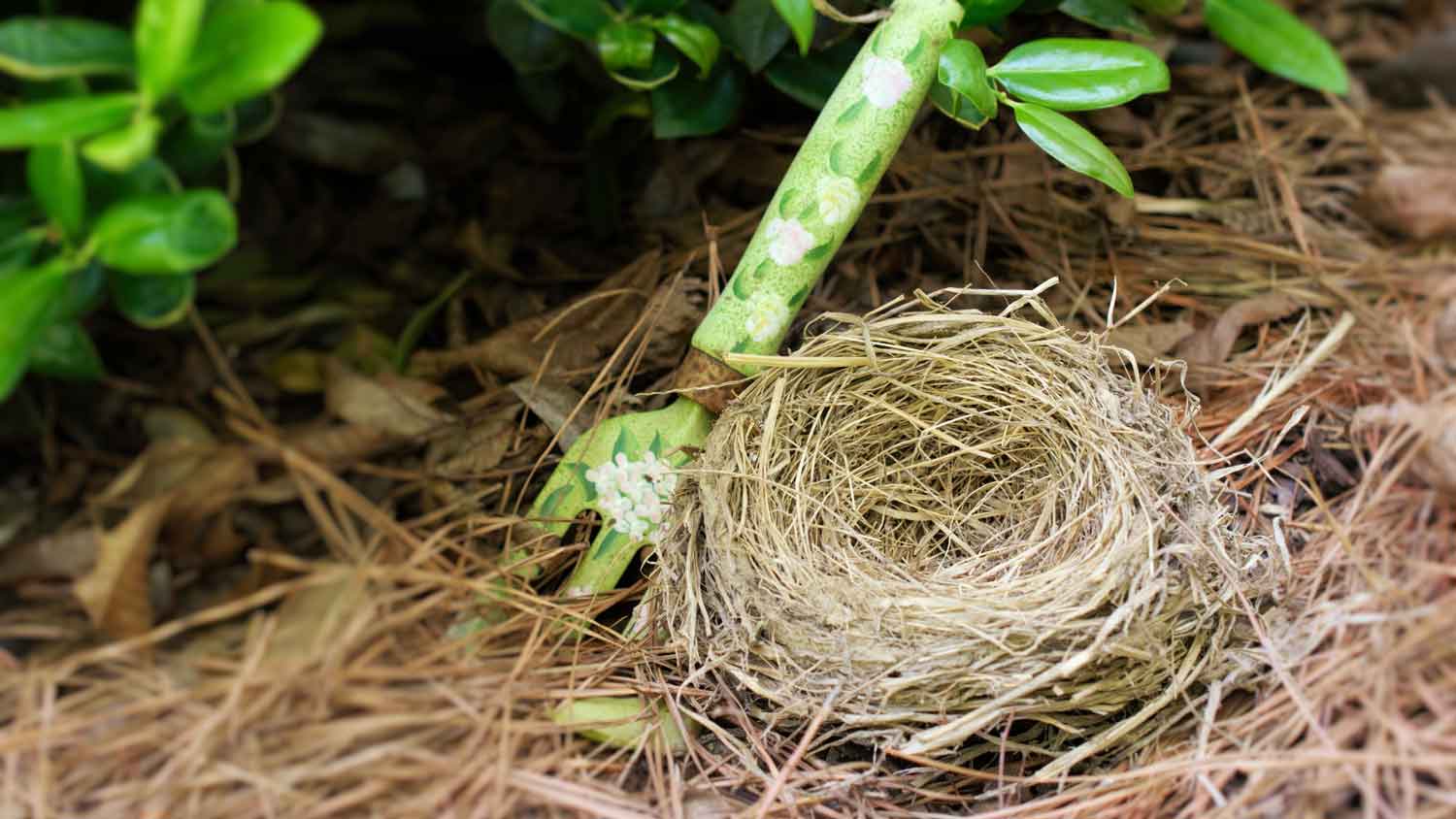
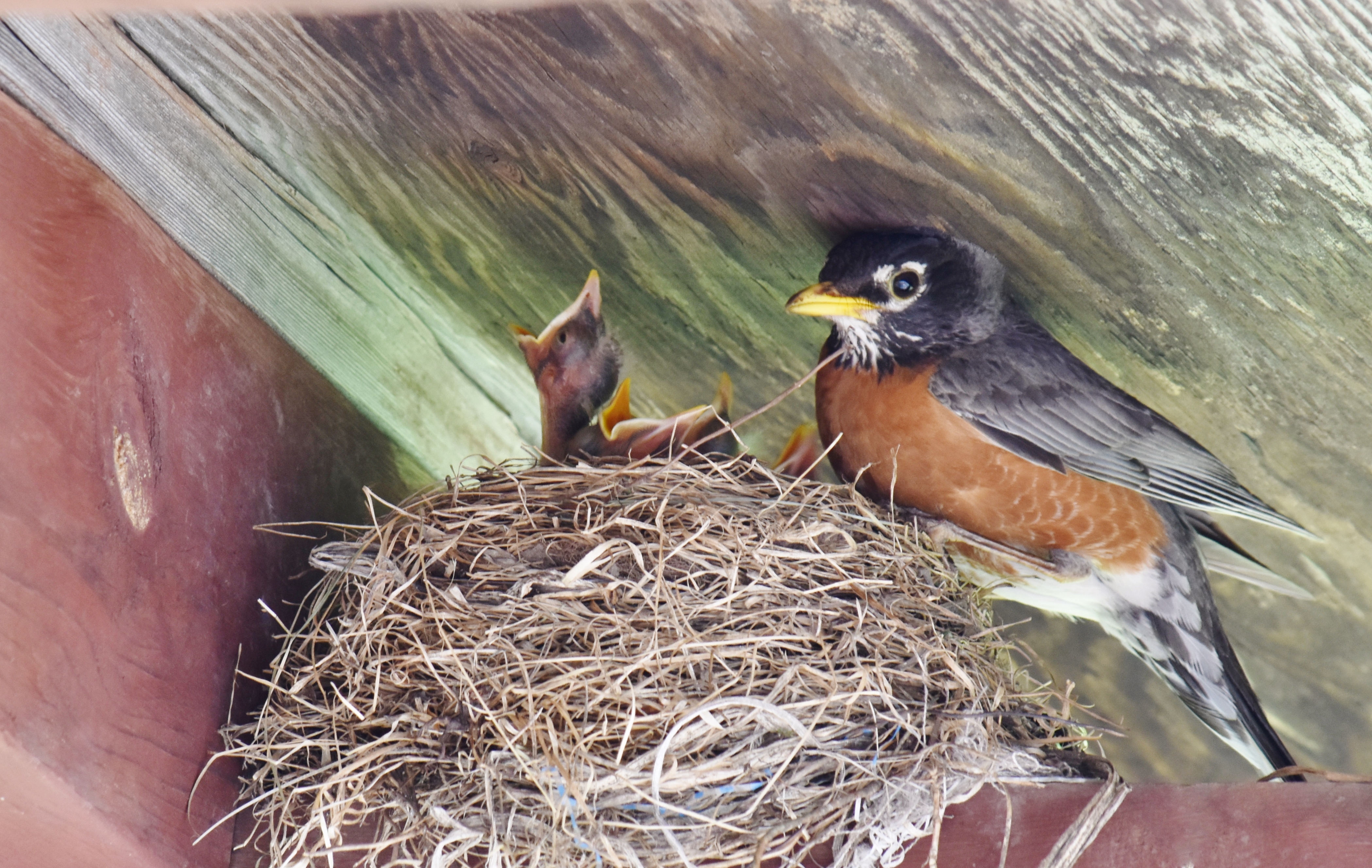
The lifespan of a bird's nest depends on the species. The building process can take from two days to three weeks. Once built, the nesting period for baby birds can last from two to ten weeks before they leave the nest. While most young birds are ready in two to six weeks, some predatory species may need up to two and a half months. Some species nest four to five times per year, so a nest could remain in use for several months. For specific information about a particular nest's longevity, it is best to consult a wildlife professional.

The Curtis, MI homeowners’ guide to bird control services

From average costs to expert advice, get all the answers you need to get your job done.