


Top-rated energy efficiency auditors.

Get matched with top energy efficiency auditors in Constantine, MI

Enter your zip and get matched with up to 5 pros

Need a pro for your energy efficiency auditing project in Constantine, MI?

Select your specific project to find the pro for you.

Find Energy efficiency auditors in Constantine

Avatar for Beauchamp Safety & Home Inspections
Beauchamp Safety & Home Inspections
New to Angi
Energy Audit - For BusinessHome Energy Audit

Serving Constantine, MI and surrounding areas

In business since 2025

Free estimates

Credit card accepted

Our home inspection business provides thorough, professional evaluations to give you complete peace of mind about your property. We meticulously assess every key component, from the foundation and roof to electrical and plumbing systems, identifying any potential issues early. Our detailed, easy-to-read reports are delivered quickly so you can make confident, informed decisions about your real estate investment. We pride ourselves on reliability, transparency, and a commitment to helping you understand the true condition of your home. Contact us today to schedule your comprehensive inspection and ensure your home is safe and sound.

8 neighbors recently requested a quote
Avatar for Greenshield Insulation
Greenshield Insulation
New to Angi
Energy Audit - For BusinessHome Energy Audit

Serving Constantine, MI and surrounding areas

In business since 2016

Free estimates

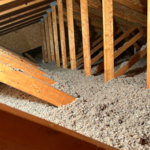
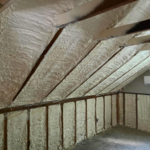
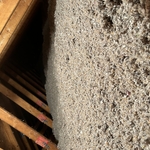
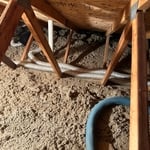
Greenshield Insulation is a family-owned and operated company proudly serving Mattawan and surrounding areas within a 40-mile radius since 2016. We specialize in high-quality residential and light commercial insulation services, including spray foam (open and closed cell), blown-in cellulose, insulation removals, attic and sidewall retrofits, and ventilation solutions. With over 50 years of combined experience, we’re SPF-certified, licensed, and insured—bringing knowledge, professionalism, and attention to detail to every project. Our team helps homeowners lower energy bills, improve comfort, and qualify for available rebates and tax credits. We offer free estimates and honest guidance to help you choose the best insulation for your home or building. Serving Kalamazoo, Portage, Paw Paw, Battle Creek, and more.

Attic Insulation Experts

+11

Energy Efficiency Auditing questions, answered by experts

String lights require electricity, but not an excessive amount, especially when compared to other lighting fixtures. LED rope lights, for instance, consume around one watt per foot. Running six or seven light strings simultaneously should only cost you around $10 to $15 each month. You can save even more money by remembering to turn off your lights during daylight hours. 

Smart glass doesn’t use a lot of electricity, and you can expect a standard window to add between $1 and $2 per year to your electric bills. Smart glass is proof that energy-efficient windows work. Although your smart windows may consume a little energy to operate, they can save enough energy to offset the costs. If you’re concerned about the minimal bump to your electricity consumption, you can opt for smart tint, which doesn’t require electricity to work.

Motion-sensor lights use one watt while on standby and five watts while turned on. They’re usually on for one hour over a 24-hour period, bringing the total wattage to about 28 watts per day. LED lights use around 6.5 to 8 watts while on. If you leave an LED light on all night, with night ranging from 10 to 14 hours, you’re looking at using 65 to 112 watts a night. You can minimally cut your wattage in half by switching to a motion-sensor light.

There are several signs that your house might have poor ventilation, including lingering odors, condensation on your windows, or mold and mildew. Your home may also feel stale and stuffy, or you might have trouble maintaining a comfortable temperature in your home. On top of that, you might develop allergy symptoms, such as sneezing, coughing, or headaches.

R-value measures an insulation material's thermal resistance, indicating its ability to resist heat transfer. A higher R-value signifies better insulation performance because the material is more effective at slowing heat flow. The R-value depends on the type, thickness, and density of the insulation material, such as fiberglass, foam, or cellulose. Each inch of insulation typically provides an R-value between 3 and 8. There is no single universal R-value; the optimal choice depends on your climate zone. Colder climates require a much higher R-value than warmer ones to maintain energy efficiency, keep the home warm in winter and cool in summer, and manage costs.

The Constantine, MI homeowners’ guide to energy efficiency auditing services

From average costs to expert advice, get all the answers you need to get your job done.