


Top-rated drywall insulation pros.

Get matched with top drywall insulation pros in Comstock Park, MI

Enter your zip and get matched with up to 5 pros

Need a pro for your drywall insulation project in Comstock Park, MI?

Select your specific project to find the pro for you.

TRUSTED BY COMSTOCK PARK, MI HOMEOWNERS

  • Average homeowner rating star icon4.3
    Average homeowner rating
  • Verified reviews icon230
    Verified drywall insulation services reviews

Find Drywall insulation pros in Comstock Park

Avatar for Insulation Commandos of Grand Rapids
Insulation Commandos of Grand Rapids
5.0(
8
)
Blown-In Insulation - Install or UpgradeInjection Insulation - Install

Serving Comstock Park, MI and surrounding areas

Approved

Free estimates

Credit card accepted

Offers commercial services

"Eric responded immediately and set up a consultation. He was prompt, very polite, thorough and knowledgeable. He explained everything in detail and was very professional throughout the entire process. His pricing was also quite fair. The only reason I did not go with him was that I needed other work done outside of his area of expertise. I was able to bundle that work with another insulation contractor which better suited my budget at this time. I would absolutely recommend Eric and will definitely contact him, should I need any additional work in the future."
58 neighbors recently requested a quote
Avatar for Maximum Insulation, LLC
Maximum Insulation, LLC
5.0(
8
)
Blown-In Insulation - Install or Upgrade

Serving Comstock Park, MI and surrounding areas

Approved

In business since 2022

Free estimates

Customers say: Quick response

"These guys will get the job done right, and they will get it done in a timely manner. From start to finish they were on top of it, spending the extra time to make sure things were done perfectly. Kirk and Max are just a hard working father/son duo who actually want to help the customer accomplish their dreams without taking advantage of their wallet. These guys are a breath of fresh air in the construction industry and will bend over backwards to help you get your job done, for a GREAT PRICE, in a TIMELY MANNER. You really wont be disappointed if you use MAXIMUM INSULATION for ANY of your insulation needs."
Closed cell spray foam insulation

+10

Response time1 day
Response rate91%
3 neighbors recently requested a quote
Showing 1-10 of 30
Drywall Insulation questions, answered by experts

The amount of drywall you need for a 1,000-square-foot basement depends on the ceiling height, angles, number of doors and windows, and more. To find the wall square footage, multiply the width and height of each wall, minus any gaps from windows or doors, and add the totals together. You’ll also need enough drywood nails or screws to install the drywall correctly.

Although they have similar applications, spackle and joint compound are not the same. Their primary differences lie in their composition, consistency, and ideal use cases.

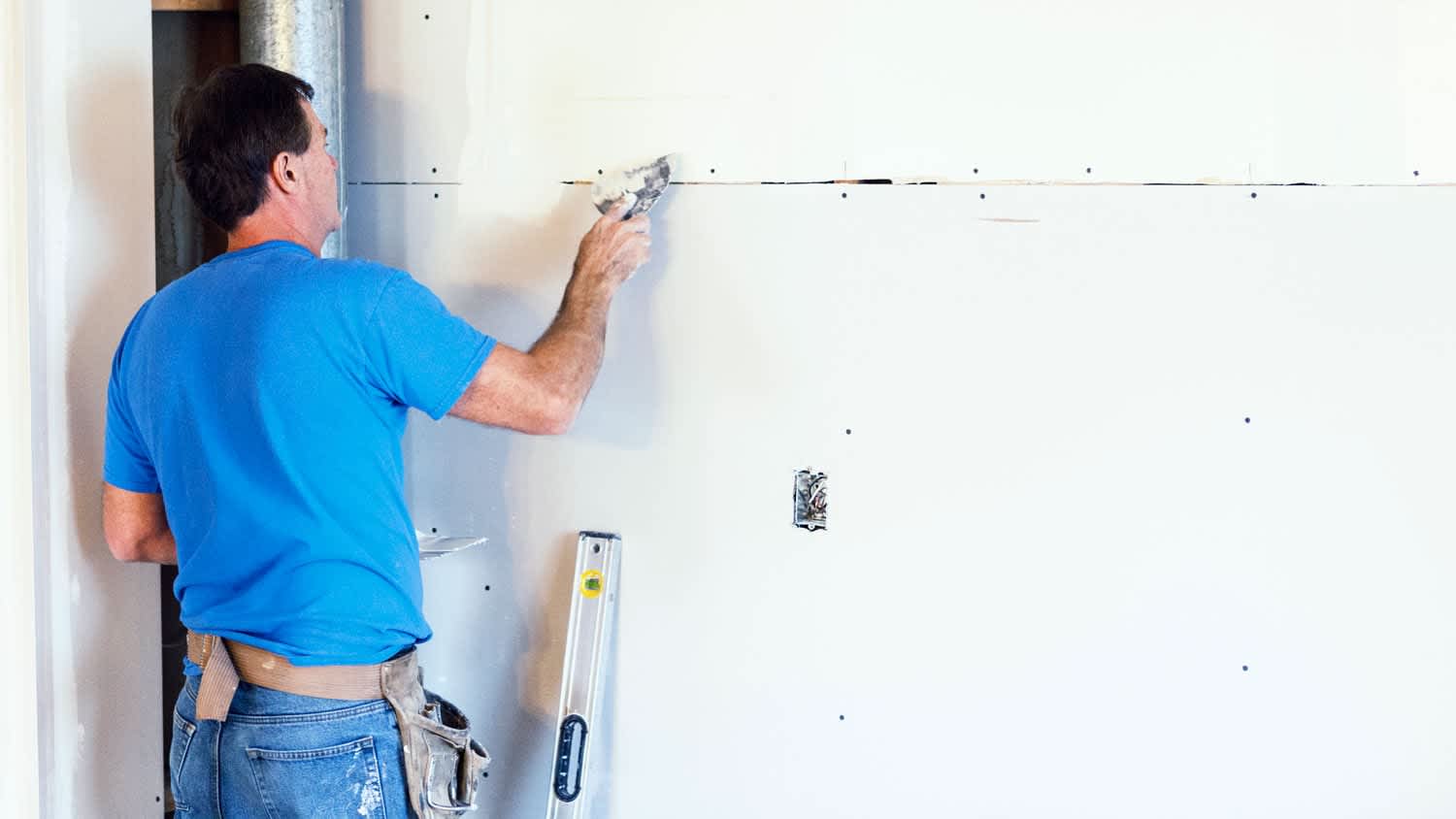
Spackle is composed of gypsum and binding agents, making it thicker than joint compound. It dries quickly and is easy to sand, which makes it ideal for small wall repair projects like filling nail holes or patching minor damage.

Joint compound, also known as drywall mud, consists of limestone and gypsum. It is primarily used for large-scale projects, such as taping and finishing the seams on newly installed drywall. It tends to shrink more than spackle and can be more difficult to spread.

While both products can be used to fill small depressions and cracks, spackle cannot replace joint compound for taping and mudding new drywall. Conversely, you can often use joint compound for small patching jobs typically done with spackle.

You can put certain types of plaster over other types, but doing so isn't always the best idea. For example, putting a coat of gypsum over lime plaster is possible, but doing so will limit the lime plaster's breathability and potentially affect its performance.

Since cement plaster tends to leave a textured surface, no matter how much you smooth it, some people prefer to use gypsum plaster as a topcoat over cement plaster, creating a smoother surface.

You can plaster over regular drywall, but it's essential to prepare the surface properly. Before plastering, the drywall should be clean, free of dust, and any loose or peeling paint should be removed. Applying a primer specifically designed for plastering can improve adhesion. Some professionals recommend applying a base coat of plaster or joint compound to create a better surface for the plaster to adhere to. Proper preparation ensures a smooth and durable plaster finish over regular drywall.
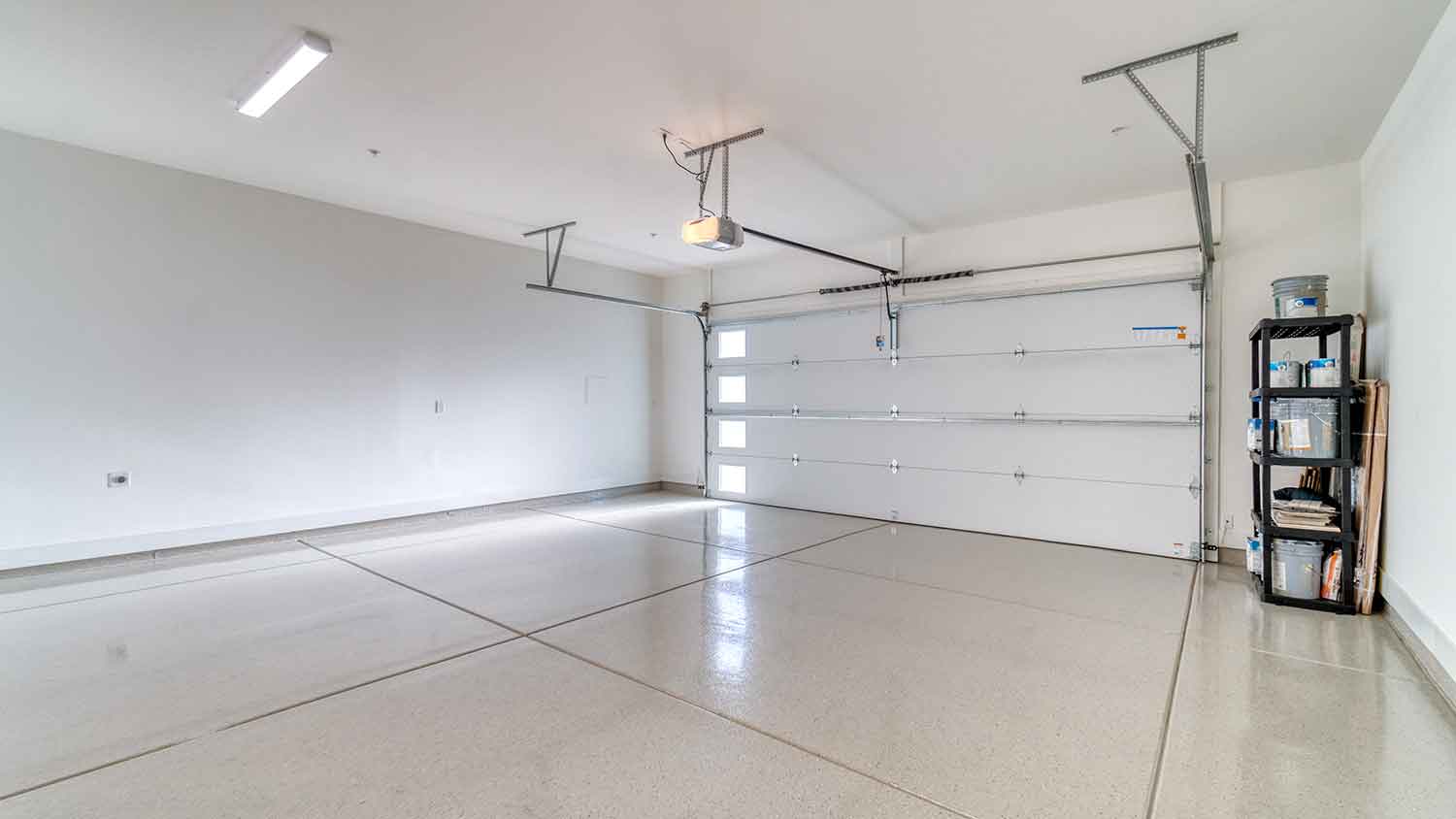
You can drywall an unheated garage because the material handles cold temperatures perfectly well. There are no risks or downsides to installing drywall in a garage that is not heated, and the material stands up to moisture and other elements quite well. Drywall will protect your unheated garage's electric wires and cables and add fire protection. However, for effective bonding, you should install drywall at a temperature of 55 degrees Fahrenheit or higher.

The Comstock Park, MI homeowners’ guide to drywall insulation services

From average costs to expert advice, get all the answers you need to get your job done.