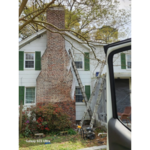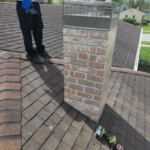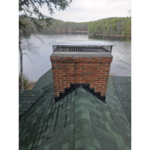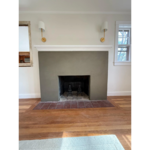





Top-rated fireplace cleaning pros.

Best fireplace cleaning pros near Clay, MI

Enter your zip and get matched with up to 5 pros

Need a pro for your fireplace cleaning project in Clay, MI?

Select your specific project to find the pro for you.

TRUSTED BY CLAY, MI HOMEOWNERS

  • Average homeowner rating star icon4.4
    Average homeowner rating
  • Verified reviews icon65
    Verified fireplace cleaning services reviews

Top-Rated Fireplace cleaning pros in Clay - Updated Nov 2026

Akula construction
New to Angi
Clean and Inspect a wood fireplace chimney

Serving Clay, MI and surrounding areas

Approved

Free estimates

Small jobs welcome

Hello, I am a hard-working particular about my work. I have multiple skills. I try to keep everything unreasonable prices. I’ve been working in construction for at least 30 years. I like to be affordable yet doing a top notch job, restoration is my primary love, great for painting, roofing repairs drywall pretty much anything around the board if I can’t do it I have associates I can I can always put you in the right direction

Showing 1-10 of 43
Fireplace Cleaners FAQs, answered by experts

Here's the deal with leaving used rags covered in oil-based stain lying around in a pile: Depending on the conditions, these rags can take just an hour or up to a few days to combust. The source of ignition is caused by trapped heat that can be compounded if the rags are near a heat source.

Knowing who to hire to install your fireplace is important when it comes to having a safe place to burn a fire in your home. The best person to contact for installing fireplaces is a mason or general contractor who has a National Fireplace Institute (NFI) specialist certification. If you’re installing wood paneling, then it’s a good idea to also find a pro who is Wood Energy Technology Transfer (WETT)-certified. 

Both of these certifications show that your pro is well-equipped to install fireplaces and inspect your home for the utmost safety.

Limewash and whitewash are two techniques used to give brick a light, matte finish, but they differ in composition, application, and permanence. The best choice depends on your aesthetic goals and the specific surface.

Composition

  • Limewash: A natural and environmentally friendly option made from limestone, water, and sometimes pigments. It is breathable and soaks into porous surfaces like brick.

  • Whitewash: Traditionally made from lime, water, chalk, and binders, but a similar look can be achieved with watered-down white paint. It is paint-based and sits on top of the surface.

Appearance and Finish

  • Limewash: Provides a natural, textured appearance that allows the brick's character to show through. It offers a more traditional finish.

  • Whitewash: Creates a softer, more opaque finish, often used for a rustic or shabby-chic style.

Application and Permanence

  • Limewash: Is semi-permanent and can be removed, making it a good choice if you might want to change the look in the future. It requires more skill to apply and cannot be used on previously painted brick.

  • Whitewash: Is a more permanent solution. It is more forgiving to apply and can be used on painted brick. However, because it sits on the surface, it can trap moisture.

Ultimately, if you want a breathable, natural, and reversible finish for unpainted brick, limewash is a great option. If you need a more permanent, opaque coating that can be applied over painted surfaces, whitewash is the better choice. Whitewashing may also be more economical, costing approximately $1.40 to $4.20 per square foot.

You may be wondering: can you paint cement? Fortunately, the answer is yes.

To change the color of your cinder blocks, you have two options. You can either paint them or stain them. Either way, you'll be able to choose from a wide range of color options. Some popular colors for cinder block painting include off-white shades and gray tones, which add a modern spin to the traditional gray blocks.

To stain brick, you should use a product specifically formulated for brick, concrete, or other masonry surfaces. These stains are designed to penetrate the porous surface of the brick and bond with it. This is different from paint, which sits on the surface and is prone to peeling, flaking, and trapping moisture that can cause damage. Water-based brick stains are often recommended because they are easy to apply, even for DIYers, and they allow the brick to breathe. Avoid using regular paint on brick, as it will not adhere properly and can lead to future maintenance problems.

The Clay, MI homeowners’ guide to fireplace cleaning services

From average costs to expert advice, get all the answers you need to get your job done.