Verified Reviews for Weed Maintenance pros in Burton, MI
*The Angi rating for Weed Maintenance companies in Burton, MI is a rating based on verified reviews from our community of homeowners who have used these pros to meet their Weed Maintenance needs.
*The HomeAdvisor rating for Weed Maintenance companies in Burton, MI is a rating based on verified reviews from our community of homeowners who have used these pros to meet their Weed Maintenance needs.
Last update on August 14, 2025
Jennifer.
5.0
Reviewed in August 2025
Great company! Exceptional service. Highly recommend!
"Young’s lawn care service was very responsive, prompt and professional. They provided a three man crew to mow and manicure a 5 acre property. I would highly recommend them as a lawn care service. Very fair price for amount of land manicured and amount of overgrowth."
We are a father and son family owned and operated business located out of Romeo, Mi. I have been in the industry for over 25 years, we have all updated and professional equipment to get the job done right and keep lawns beautiful throughout the seasons. We offer weeding, hedge and bush trimming, weekly, bi weekly and monthly mowing service, pet waste cleanup ect....
Ima a well experienced gardener/lawn care worker has been in this industry for over 10 years . I'm still learning every day, but I'm here to satisfy every customers need and bring professionalism to every customer so they all have the same experience.
OUR TOUCH, LLC\n\nBeen in business since 2024.\n\nStarted my love for lawn and dirt in 1999. You'll love our attention to detail and timeliness for every job!\n\nLocated in Swartz Creek, MI where we have a great community but we will travel for jobs. You can trust and count on OUR TOUCH!\n\nLawn care, lawn mowing, land clearing, fall and spring cleaning.\n\nCOMPLETE haul away available for ANYTHING you can think of.
Water the lawn thoroughly, apply fertilizer, and overseed if necessary to promote healthy growth.
Buffalo grass is not a dense grass, so weeds can grow between the buffalo grass plants. However, as long as you don’t overwater your lawn, weeds have a hard time growing. If you do notice weeds, you can use granular herbicides that are safe for buffalo grass in early and late summer.
Too much clover in your lawn can indicate several issues with your soil. Clover can thrive in soils with abnormally high pH, low-cut grass, and low nitrogen. Amending these issues can push clover out for good.
Hardy perennial clover loves the low nitrogen and compact conditions that often come with poor, infertile soils. But other factors also contribute to a clover explosion, including drought conditions, cool temperatures, under fertilization, and over-irrigation. You’ll need to evaluate all these elements when planning to kill off the clover.
Several tools exist that can help remove unwanted grass. The one you choose depends greatly on how much you need to remove and how hard you'd like to work. A sod or turf cutter is the fastest method while using a shovel is labor-intensive and much slower. You may also need a garden rake, tiller, and wheelbarrow.
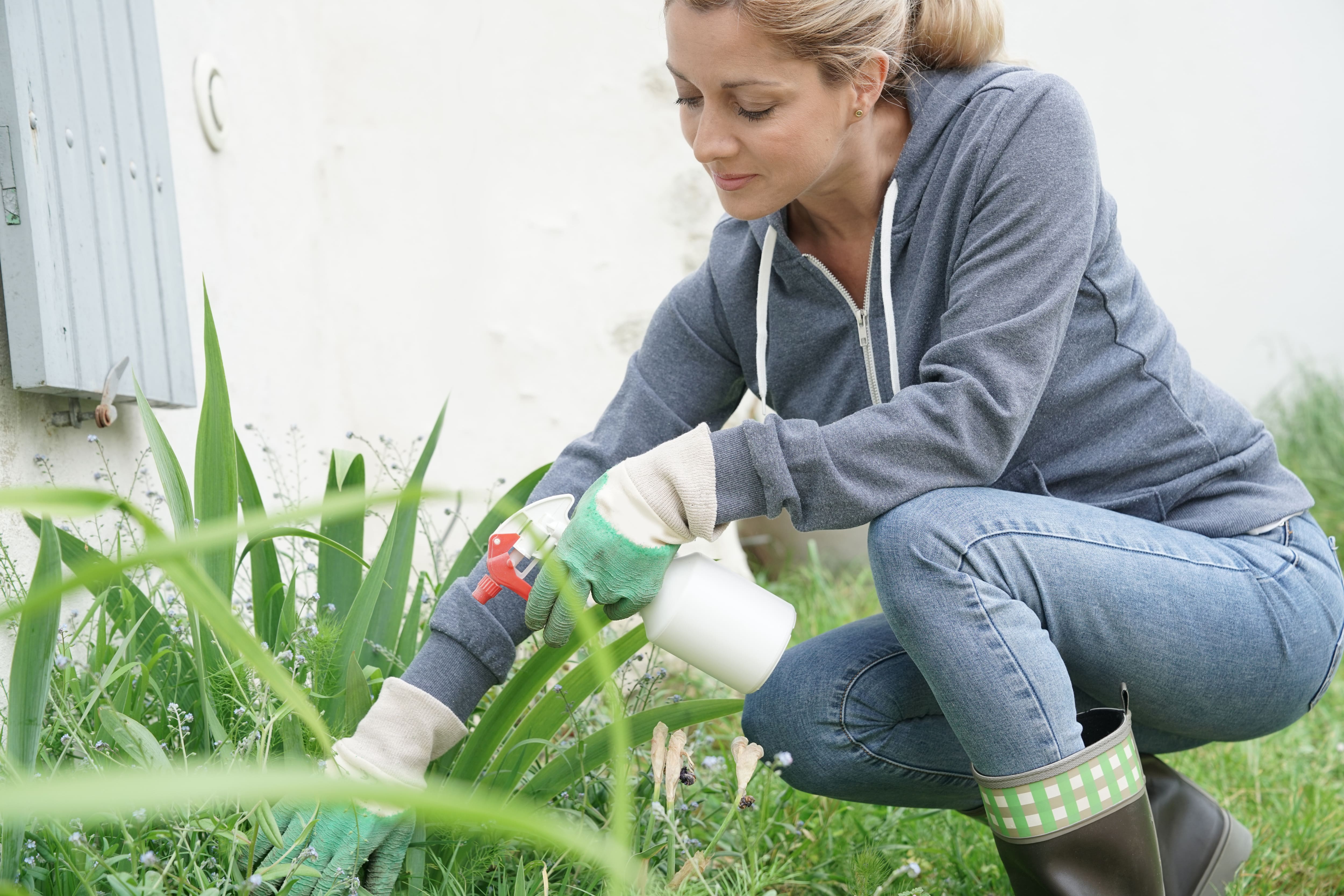
A spot herbicide for weed control is effective at killing crabgrass and not grass, but it depends on the type of herbicide. Always check the label to ensure that your herbicide is safe for grass but tough on crabgrass. Overall, spot treatment is ideal because it puts fewer herbicides into the soil, which can damage the soil. If you’re wanting a natural remedy to crabgrass that also won’t harm surrounding grass, you can also hand-remove crabgrass or even pour boiling water or 5% vinegar over crabgrass as a spot treatment.
The Burton, MI homeowners’ guide to weed maintenance services
From average costs to expert advice, get all the answers you need to get your job done.
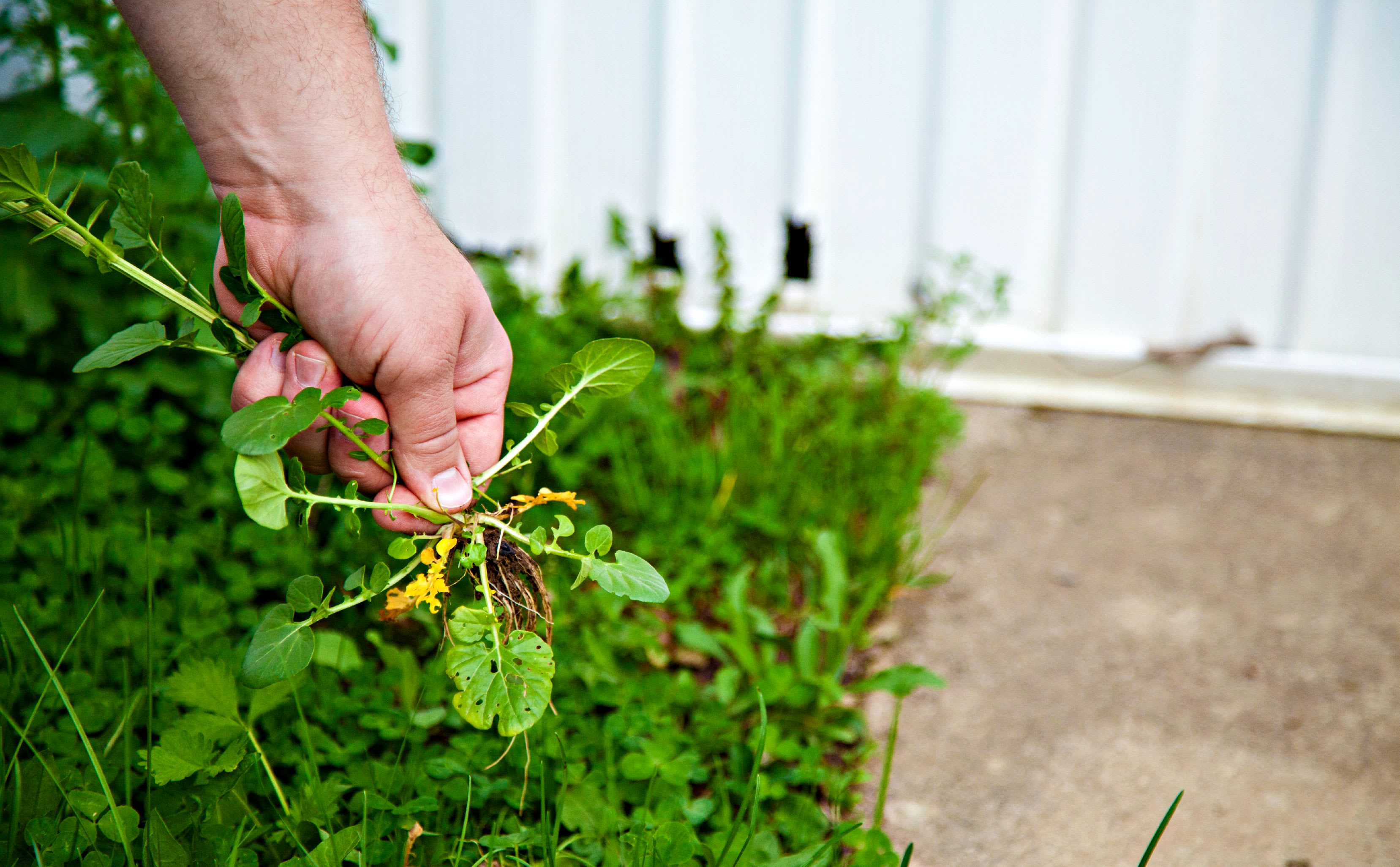
Pulling weeds can help keep them from taking over your garden or yard. Learn the best time to pull weeds to keep your outdoor spaces beautiful and healthy.
Planning a yard cleanup? Learn about weed removal costs, logistical concerns, and how to hire the right local pro to keep your landscaping healthy and lush.