

Top-rated leaf removal pros.

Get matched with top leaf removal pros in Bridgeport, MI

Enter your zip and get matched with up to 5 pros

Need a pro for your leaf removal project in Bridgeport, MI?

Select your specific project to find the pro for you.

Find Leaf removal pros in Bridgeport

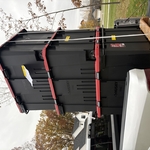
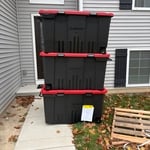
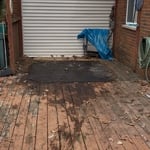
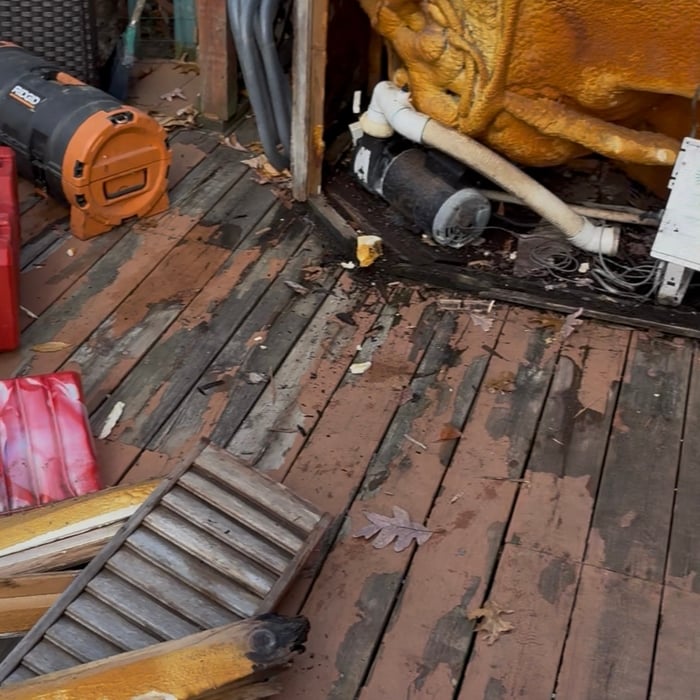
Iron grip junk removal and demolition
New to Angi
Waste, Junk, Building Materials and Debris - Remove and Haul

Serving Bridgeport, MI and surrounding areas

Approved

IronGrip Junk Removal & Demolition provides professional junk removal, property cleanouts, and light demolition services in Mount Pleasant and throughout Mid-Michigan. We handle everything from household junk and estate cleanouts to sheds, decks, fences, and interior tear-outs. Fully insured, dependable, and built for tough jobs with clean results. Same-day and next-day service available.

...
Showing 1-10 of 166
Leaf Removal questions, answered by experts

You do not have to remove lead paint if the surface is not chipping or peeling or if there are no pregnant people or children under the age of six who live in or regularly visit your home. Lead paint is a particular risk for young children whose brains and bodies are not fully developed. Experts strongly recommend that you call a pro to remove lead paint if it’s peeling or flaking, no matter who lives in the home. You can experience lead poisoning by breathing in or ingesting just a small amount of it.

According to the Environmental Protection Agency (EPA), hazardous waste is generally classified into four main categories:

1. Characteristic Wastes: These exhibit at least one of four hazardous traits: ignitability (flammable, like gasoline), corrosivity (can rust or decompose materials, like car batteries), reactivity (unstable and can explode, like aerosol cans), or toxicity (harmful when ingested, like lead-based paint).

2. Listed Wastes: These are specific wastes from manufacturing and industrial processes that the EPA has officially designated as hazardous. They include byproducts from processes that use solvents, pesticides, and other chemicals.

3. Universal Wastes: These are commonly generated hazardous items that are subject to streamlined regulations. Examples include batteries, pesticides, mercury-containing equipment (e.g., bulbs), and some lamps.

4. Mixed Wastes: This category includes waste that contains both hazardous and radioactive components, making it subject to regulation by both the EPA and the Nuclear Regulatory Commission.

When a surface that contains lead dust is disturbed, the dust can float about in the air for roughly an hour before settling again. Since you cannot see the dust, it is important always to wear protective gear when working with any materials that may contain lead paint and to keep children, pets, and others away from the area for as long as possible

The best disposal method for hazardous waste is recycling or donation, if possible. That way, the world can reduce its consumption of raw materials and the volume at which materials have to be treated and disposed of. If recycling or donation is not an option, most waste can be disposed of through landfills or incinerators, but their collection and treatment are separate from regular day-to-day waste disposal. 

The safest way to remove lead-based paint is by letting a professional take over. For most people, lead paint removal costs an average of $3,400. You should never attempt to dry sand old lead-based paint surfaces by hand. Most professionals use a paint stripper to do the job followed by wet scraping, but if you don’t want to remove lead paint, another option is to paint over it. Only consider this option if the old lead paint finish isn’t flaking or cracked.

The Bridgeport, MI homeowners’ guide to leaf removal services

From average costs to expert advice, get all the answers you need to get your job done.