






Top-rated structural engineers.

Get matched with top structural engineers in Auburn, MI

Enter your zip and get matched with up to 5 pros

Need a pro for your structural engineering project in Auburn, MI?

Select your specific project to find the pro for you.

Find Structural engineers in Auburn

Structural Engineering questions, answered by experts

A freestanding brick wall that's only one brick thick can usually stand six to eight feet high. If you need a higher wall, it should be at least two bricks thick for adequate stability, and it might require a footing to support the added weight. Additionally, some areas have regulations and codes dictating how high a brick wall can be, so check with local code enforcers to ensure your proposed wall complies with any regulations.

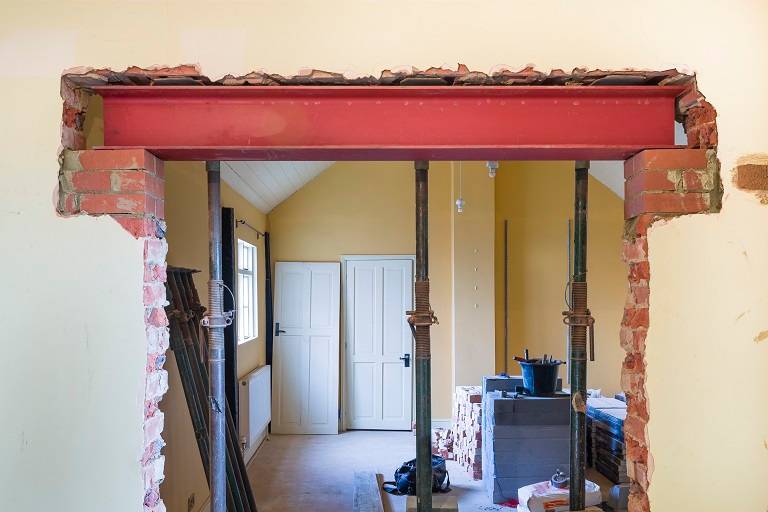
The easiest way to tell if a wall is load bearing is to check if it’s an exterior wall or if it runs perpendicular to the joists above and below it (or parallel to beams). Exterior walls are almost always load-bearing, and walls that run under beams or parallel to them are also usually load-bearing. There are exceptions to these rules, and walls that don’t fit into these categories can still be load-bearing. If you’re unsure, hire a structural engineer to look at your home to assess whether or not the wall is structural.

The best way to determine if ceiling cracks are structural is to hire a ceiling contractor to inspect the cracks and provide a professional opinion. That said, you might be able to make an educated guess based on the size and appearance of the crack. Larger cracks, cracks accompanied by sagging or discoloration, and cracks that travel from the ceiling down the walls are all signs of structural issues.

Most load-bearing walls are exterior, though they can also be interior.

The depth of any foundation style depends on your climate and how deep the frost line is, as building code requires that the footers of a foundation—which are built into a monolithic slab—sit at least a foot below the frost line. At the southern tip of Florida, for example, a monolithic slab foundation would only need to sit 12 inches under the soil at the widest parts. On some parts of the Canadian border, the frost line is 100 inches, which would mean a minimum of 112 inches, which is prohibitively deep for a monolithic slab.

The Auburn, MI homeowners’ guide to structural engineering services

From average costs to expert advice, get all the answers you need to get your job done.

What do you need done? We’ll find top pros.
  • 🌱 "Mow a small front yard"
  • 🛠 "Fix a leaking pipe under the sink"
  • 🏠 "Repair shingles on an asphalt roof"