

Top-rated arborists.

Get matched with top arborists in Winslow, ME

Enter your zip and get matched with up to 5 pros

Need a pro for your arboricultural service project in Winslow, ME?

Select your specific project to find the pro for you.

TRUSTED BY WINSLOW, ME HOMEOWNERS

  • Average homeowner rating star icon4.6
    Average homeowner rating
  • Verified reviews icon176
    Verified arboricultural services reviews

Find Arborists in Winslow

Avatar for Brackett Properties LLC
Brackett Properties LLC
5.0(
9
)
Tree RemovalTree TrimmingTree Removal - For Business+1 more

Serving Winslow, ME and surrounding areas

Approved

In business since 2021

Free estimates

Offers commercial services

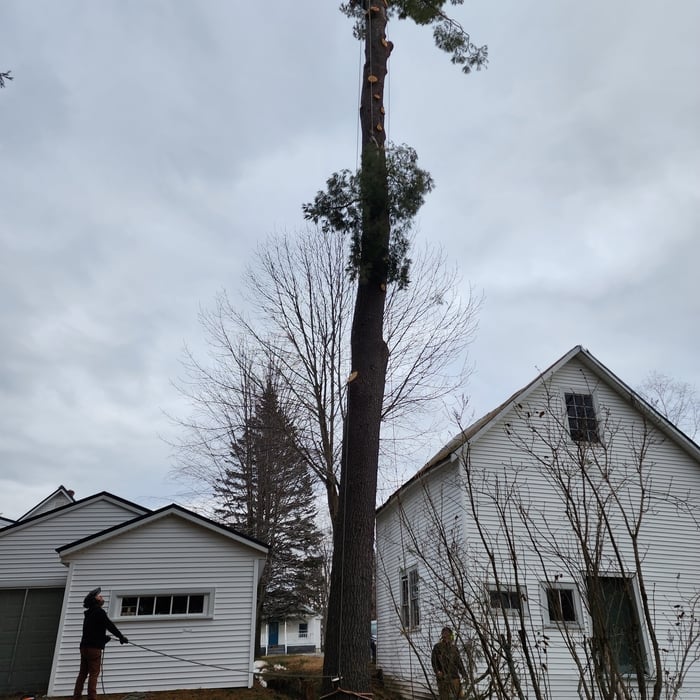
"The tree we had taken down was very big, and close to our home, and another building. Chris did a great job taking down the tree. We would definitely recommend this company. Would not hesitate to reach out again if we need to have another tree taken down. Thank you "Angie's" for the recommendation!!"
Response time2 days
14 neighbors recently requested a quote
Recommended by88%of homeowners

Avatar for true north property maintenance
true north property maintenance
5.0(
1
)
Tree Stump - RemoveTree Stump - Remove - For Business

Serving Winslow, ME and surrounding areas

Approved

Free estimates

Emergency services offered

Small jobs welcome

hello my name is colby hamor, i am 21 years old and just starting up my own business as of summer of 25', i do lawn care- spring and fall cleanups, mowing, mulching sticks and leaves. stump grinding and downed tree cleanup. junk removal- house clean outs, scrap, trash.

...
Showing 1-10 of 66
Arborists questions, answered by experts

Many gardeners charge an hourly rate for their services, and your total cost will depend on the amount of services and the experience of the gardener. Gardeners with basic experience charge between $20 and $30 per hour, while a more experienced gardener can charge as much as $60 to $88 per hour.

The cost of lawn mowing is about $125, which you might need on a weekly or biweekly basis. However, the cost of soil testing averages about $1,450, which should only be done every three to five years. 

Some fast-acting products can rot a tree stump in four to six weeks. Keep in mind, these products contain harsh chemicals that may prevent regrowth in the area. Other products, like fertilizer that contains lots of nitrogen, can enhance the process and rot a stump in about a year. (This is compared to the ten years it can take naturally for a stump to rot.)

Since overwatering can harm mature trees just as much as a lack of water, it’s important to know the signs of an overwatered tree. If your tree’s leaves are yellowing, wilting, or dropping leaves, it’s likely that you’re overwatering. Other common signs include rotting, fungi, soggy soil, soft or peeling bark, falling leaves, and brittle roots. 

If you realize that you’ve been overwatering your mature tree, stop watering and give the soil time to dry out. Then moving forward, increase time between watering sessions. 

Yes, it is highly recommended to remove tree stumps. Leaving them in the ground can lead to several problems, as they are not only unsightly but can also reduce your property's value. Stumps can obstruct landscaping plans, make mowing difficult, and hinder new growth. More importantly, they are prime breeding grounds for pests like termites, ants, and mice, which can spread to your home and cause costly damage to its wood and foundation. Stumps also attract fungi and diseases that can infect other healthy trees and plants in your yard. As a stump decays, it might sprout new, unwanted shoots. While removing a stump is an investment, it prevents these potential issues and enhances the safety, health, and appearance of your landscape.

The best time to transplant a tree is when it is dormant. For many trees, this means either in the fall after the leaves have dropped (around October or November) or in early spring before new growth begins (around March). The ideal timing can depend on the type of tree. Deciduous trees do well when moved in early spring or fall, while evergreens are best transplanted in early spring or late summer. For example, pine trees are best moved in early fall, but maples prefer late fall. Avoid transplanting in winter, as the frozen or hard, cold soil poses a significant risk to the roots and prevents the tree from acclimating properly.

The Winslow, ME homeowners’ guide to arboricultural services

From average costs to expert advice, get all the answers you need to get your job done.