




Top-rated energy efficiency auditors.

Get matched with top energy efficiency auditors in Springvale, ME

Enter your zip and get matched with up to 5 pros

Need a pro for your energy efficiency auditing project in Springvale, ME?

Select your specific project to find the pro for you.

Find Energy efficiency auditors in Springvale

Avatar for Bryan's Solar Energy  Facebook
Bryan's Solar Energy Facebook
5.0(
1
)

Serving Springvale, ME and surrounding areas

In business since 2019

Credit card accepted

Offers commercial services

"I had a wonderful experience with this company. They were punctual, very friendly and kind, and clearly knew their business. I would highly recommend them to any homeowner! Great job Team!"
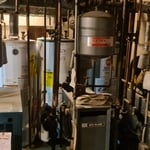
New gas and hot water
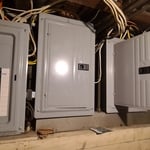
new electric
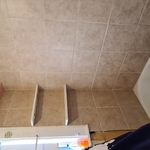
sfter completion
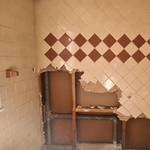
plumbing
Response time12 hrs
Recommended by100%of homeowners
Energy Efficiency Auditing questions, answered by experts

The three levels of home energy audits include:

  • Level 1: Review of your energy bills and home for signs of energy inefficiency and areas for improvement. The average cost range is $0.08 to $0.12 per square foot.

  • Level 2: A level 2 ASHRAE energy audit costs $0.12 and $0.35 per square foot. In-depth analysis of your energy usage and provides a report of cost-saving changes.

  • Level 3: Comprehensive analysis and detailed recommendations for ways to improve your home’s energy efficiency. A level 3 audit costs about $0.36 to $0.50 per square foot.

STC (Sound Transmission Class) is a rating that describes how well a building material or assembly blocks airborne sound. A higher STC rating means less noise will pass through the material, providing better sound reduction. This rating system applies to various building components, including windows, doors, flooring, drywall, and insulation.

For context, a typical single-pane window has an STC rating of around 25 (where normal conversations are audible), while a well-sealed, double-pane window can exceed STC 45 (blocking loud speech and most music). It is important to note that for some products, like soundproofing drywall, the STC rating refers to the entire wall system, not just the individual panel.

Additionally, STC ratings are most effective for measuring sound reduction at mid-to-high frequencies, such as human speech, and may not accurately reflect how well a material blocks low-frequency sounds like bass music or thunder. Because of these factors, it is recommended to consult a professional to determine the right STC-rated materials for your specific soundproofing needs.

Energy output depends on turbine size, average wind speed at your site, and system efficiency. A 5 kW turbine in a good wind location can generate 8,000 to 12,000 kilowatt-hours per year, which may cover a large portion of an average home’s needs. Accurate output estimates require a professional wind assessment and a review of your household’s energy usage patterns.

Replacing a window frame will improve your home’s energy efficiency if the old frame is cracked or damaged in a way that allows unconditioned air from the outside into your living space or if you upgrade to a more energy-efficient window frame material. Aluminum is the least energy-efficient window frame material, followed by vinyl and wood. Fiberglass and composite frames are the most energy-efficient.

There are several strategic ways to lower your home insurance premium. The primary one is to shop around and get quotes every few years to make sure you’re getting the best deal. Also, sometimes bundling your auto and homeowner’s insurance will get you a discount on both. Finally, try to keep your credit score up; many homeowner insurance companies use credit scores to generate quotes.

The Springvale, ME homeowners’ guide to energy efficiency auditing services

From average costs to expert advice, get all the answers you need to get your job done.