






Top-rated bird control service pros.

Get matched with top bird control service pros in Rumford, ME

Enter your zip and get matched with up to 5 pros

Need a pro for your bird control service project in Rumford, ME?

Select your specific project to find the pro for you.

Find Bird control service pros in Rumford

Avatar for All American Wildlife Control
All American Wildlife Control
4.9(
50
)

Serving Rumford, ME and surrounding areas

Approved

In business since 2014

Emergency services offered

Warranties offered

"They removed a skunk for me. I should have called them sooner. American Wildlife Control did a great job. I have my backyard back. They are professional and knowledgeable. I would highly recommend."

Groundhog Removal
Skunk Removal
Squirrel Removal
Bat Removal
Raccoon Removal

+4

Response time6 hrs
Recommended by100%of homeowners

Avatar for Terminix® Pest Control
Terminix® Pest Control
3.8(
4
)

Serving Rumford, ME and surrounding areas

Approved

In business since 1927

Free estimates

Warranties offered

"Very knowledgeable guy who seem to know what he’s doing. Don’t know results of spraying. Have had much rain since. Will have to see if it worked. Terminex will spray again the beginning of next month."
My jobs
My jobs
My jobs
My jobs
My jobs

+2

63 neighbors recently requested a quote
Bird Control questions, answered by experts

The cost of pest control services depends on various factors, but the average homeowner pays around $175, with a typical range of $100 to $500. Your final cost will be influenced by the type of pest, the size and severity of the infestation, and the number of treatments needed.

Service costs also vary by frequency:

  • One-time service: $300–$550

  • Initial visit for ongoing service: $150–$300

  • Monthly visits: $40–$70

  • Quarterly visits: $100–$300

  • Annual visits: $300–$550

For specific pest examples, getting rid of spiders typically costs between $100 and $300, whereas a termite infestation can cost from $230 to $2,500 or more, depending on the extent of the damage.

Some birds of prey, like owls, hunt at night. Hawks are diurnal and need good light to see their prey. You could see them circling anytime from dawn to dusk. Species like the common red-tailed hawk are most active in the early morning and late evening when their prey is also typically on the go.

Small amounts of geese are actually good for the environment. They help spread seeds and lead to more plant growth, but they’re often an invasive species, particularly Canadian geese. This means a small gaggle can quickly grow into a level that litters your lawn with bald patches and excrement.

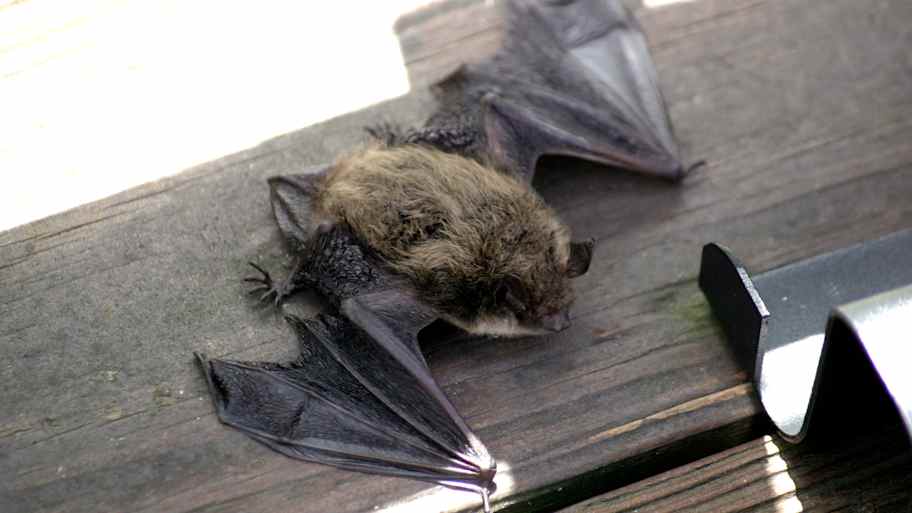
If you’ve had a prior bat infestation or simply want to avoid having bats invade your home in the first place, there are a few steps you can take without the need for a pro. 

  • Seal entry points, such as where your chimney meets your house, or other gaps or holes exist.

  • Use bat deterrents like bright lights or ultrasonic devices to force them away from your home. 

  • Reduce bat attractions like standing water and bird nectar feeders inviting bats into your yard.

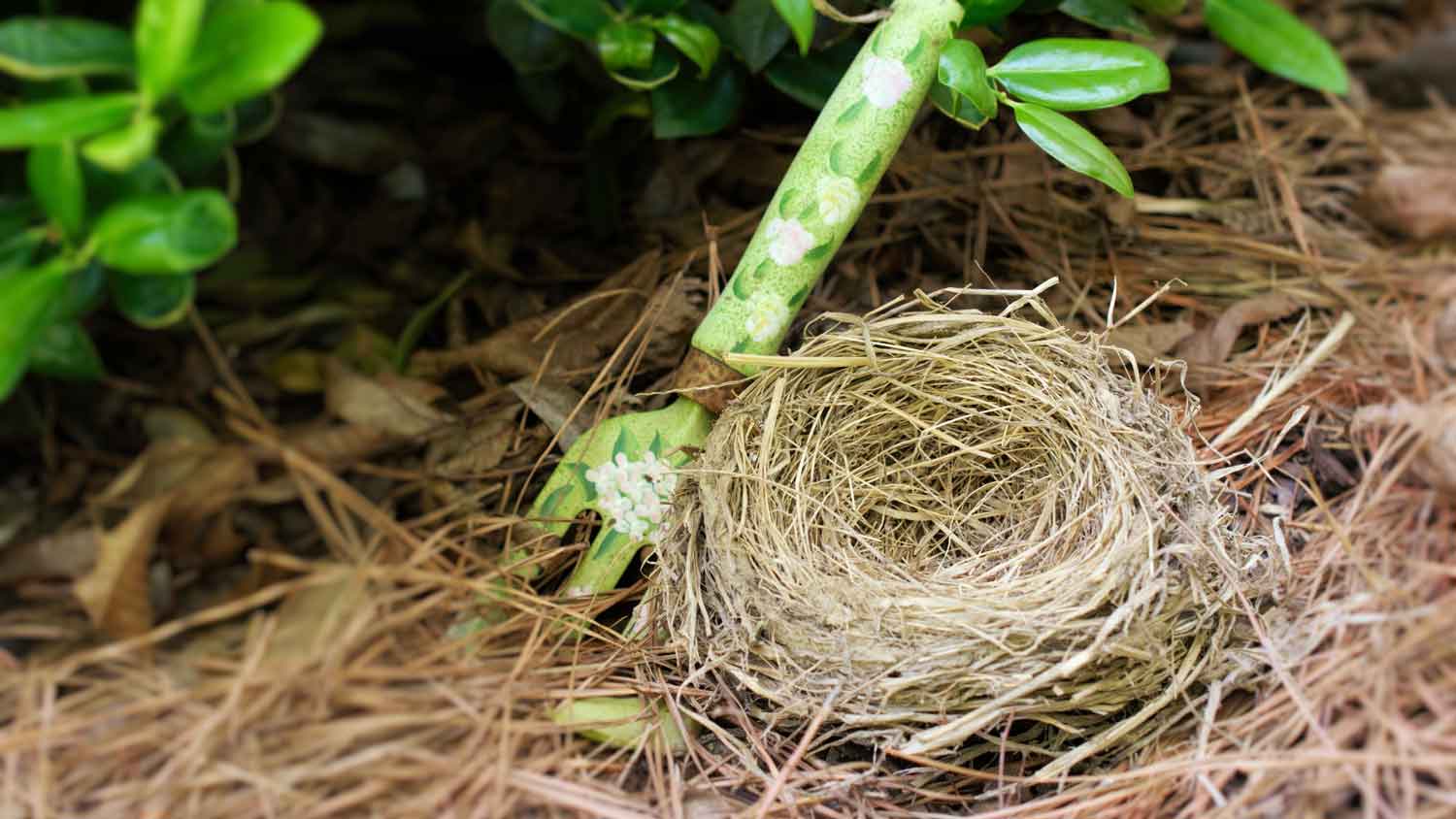
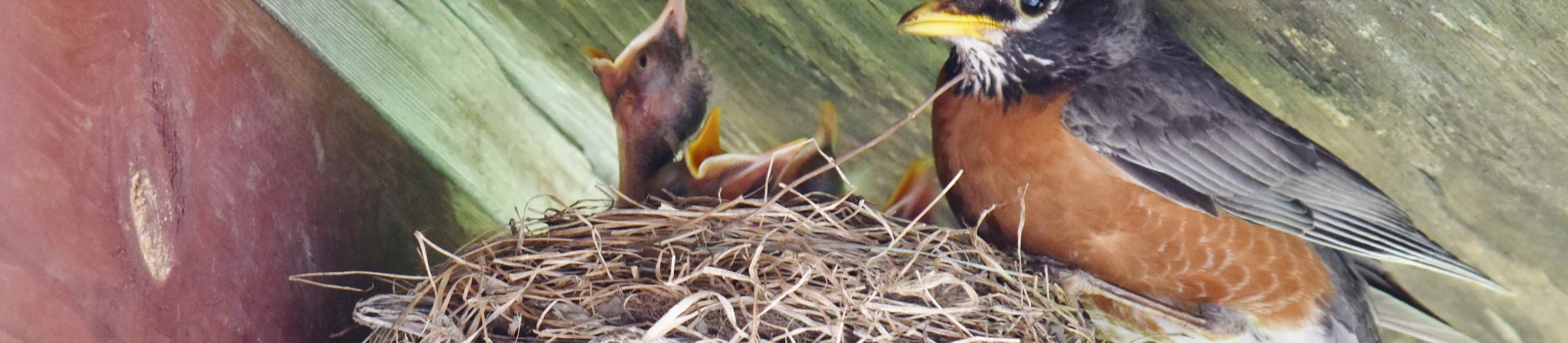
The lifespan of a bird's nest depends on the species. The building process can take from two days to three weeks. Once built, the nesting period for baby birds can last from two to ten weeks before they leave the nest. While most young birds are ready in two to six weeks, some predatory species may need up to two and a half months. Some species nest four to five times per year, so a nest could remain in use for several months. For specific information about a particular nest's longevity, it is best to consult a wildlife professional.

The Rumford, ME homeowners’ guide to bird control services

From average costs to expert advice, get all the answers you need to get your job done.