


Top-rated pest control specialists.

Best pest control specialists near Pittston, ME

Enter your zip and get matched with up to 5 pros

Need a pro for your pest control project in Pittston, ME?

Select your specific project to find the pro for you.

TRUSTED BY PITTSTON, ME HOMEOWNERS

  • Average homeowner rating star icon4.7
    Average homeowner rating
  • Verified reviews icon22
    Verified pest control services reviews

Top-Rated Pest control specialists in Pittston - Updated Nov 2026

Northeast Wildlife Services
4.7(
29
)
Pest Control - Small AnimalsPest Control - Birds and BatsPest Control - Birds and Bats - For Business+1 more

Serving Pittston, ME and surrounding areas

Approved

In business since 2018

Free estimates

Credit card accepted

"We had an issue with bats getting in through our ridge vent into the attic. Northeast Wildlife Services was able to diagnose the issue and make the necessary repairs in a timely manner. I wouldn't hesitate to call this company again with any pest related issues."
3 neighbors recently requested a quote
Recommended by100%of homeowners
Avatar for Ehrlich Pest Control
Ehrlich Pest Control
4.3(
11
)
Mosquito ControlPest Control - Bed BugsPest Control - Bugs and Insects+2 more

Serving Pittston, ME and surrounding areas

Approved

In business since 1921

Free estimates

Credit card accepted

"I had a fantastic experience with Ehrlich Southeast. Their customer service was excellent, from scheduling the appointment to the completion of the service. Their technicians were friendly, knowledgeable, and efficient, and they ensured my property was pest-free. I highly recommend them to anyone in need of pest control services."
Recommended by100%of homeowners

Avatar for Terminix® Pest Control
Terminix® Pest Control
3.9(
1,074
)
Pest Control - Bugs and InsectsPest Control - RodentsPest Control - Termite+6 more

Serving Pittston, ME and surrounding areas

Approved

In business since 1927

Free estimates

Warranties offered

"Very knowledgeable guy who seem to know what he’s doing. Don’t know results of spraying. Have had much rain since. Will have to see if it worked. Terminex will spray again the beginning of next month."
My jobs
My jobs
My jobs
My jobs
My jobs

+2

58 neighbors recently requested a quote
Recommended by81%of homeowners
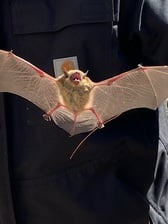
Showing 1-10 of 15
Pest Control FAQs, answered by experts

There are several ways to dry out flea eggs. Diatomaceous earth (DE) is a natural ingredient that can dry out fleas, but it’s messy to apply and can also cause respiratory issues for members of your household if inhaled. Salt is safer and easier to apply, so shake it liberally over affected areas. Boric acid is another way to get rid of fleas and other insects, but this, too, can cause respiratory issues and health problems if inhaled or ingested.

Hawks might seem like fearless predators, but these smart birds do know what other animals to be cautious around. Hawks are naturally wary of humans and predators that see them or their eggs as a potential meal or threat. This list includes owls, crows, eagles, and even snakes or raccoons.

While there are many types of wood-eating pests, the most common one in the United States is termites. They are found in every state and are typically worse in warm and humid climates. They cause billions of dollars in damage every year, which is why it’s vital that homeowners address infestations as soon as possible.
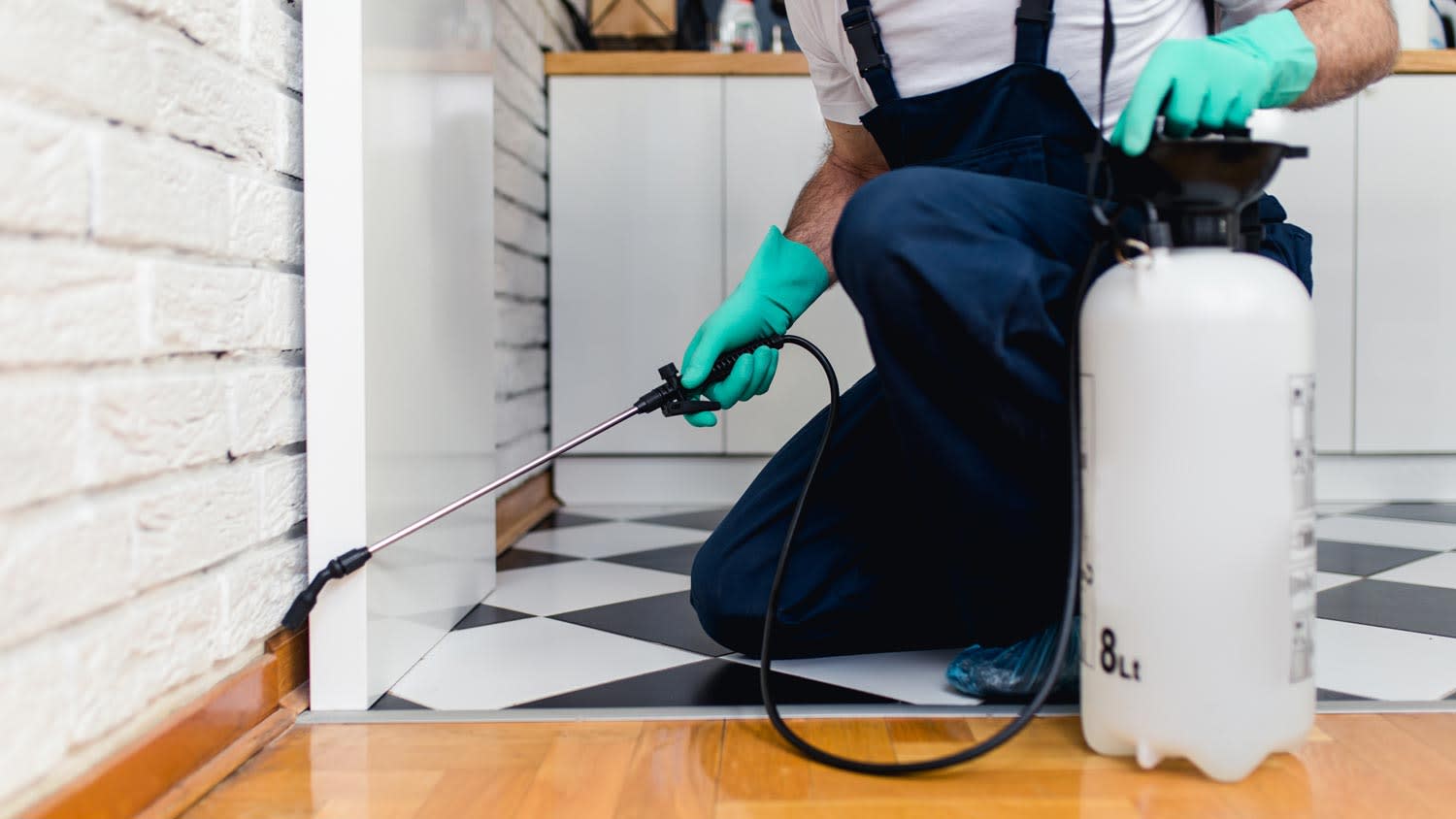
Spraying for mosquitos is better than fogging. A mosquito barrier spray is designed to linger on surfaces and kill mosquitos for up to three weeks, and repeated visits from your pest control pro can keep mosquitos out of your yard all season long. Fogging is a short-term fix that only works for about 72 hours and doesn't kill mosquito larvae or eggs. If you’re concerned about the environment, a natural mosquito repellant may be better than either fogging or spraying.

Moles live underground and feed on insects. They dig and move through tunnels, usually in meadows or forests but sometimes in lawns and gardens. They are about 6 inches long with large claws, tiny eyes, and hidden ears. 

Shrews do not dig their own tunnels but will use other animals’ tunnels, and are about 3 to 4 inches long. They look similar to mice and feed on insects.

Voles are similar in size to moles but have large eyes and small but visible ears. Rather than eating insects, voles are herbivores that prefer seeds, grasses, and plant roots.

The Pittston, ME homeowners’ guide to pest control services

From average costs to expert advice, get all the answers you need to get your job done.