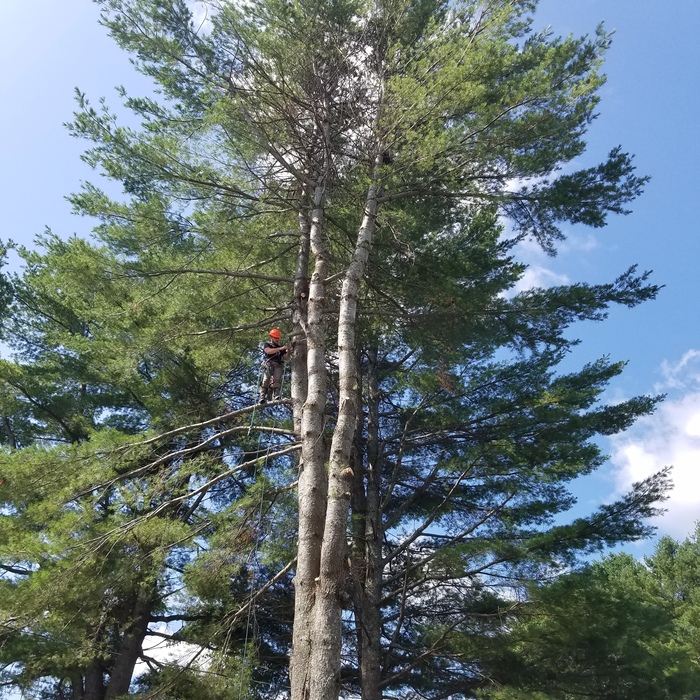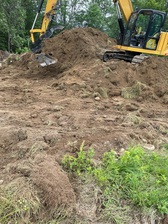





Top-rated excavation pros.

Best excavation pros near Oakland, ME

Enter your zip and get matched with up to 5 pros

Need a pro for your excavation project in Oakland, ME?

Select your specific project to find the pro for you.

TRUSTED BY OAKLAND, ME HOMEOWNERS

  • Average homeowner rating star icon4.2
    Average homeowner rating
  • Verified reviews icon12
    Verified excavation services reviews

Top-Rated Excavation pros in Oakland - Updated Nov 2026

Wisdom Landscape, LLC
4.4(
11
)
Landscape - Minor Grading or Resloping

Serving Oakland, ME and surrounding areas

Approved

In business since 2014

Free estimates

Small jobs welcome

"We have worked with Terry since April, 2022. Our garden was overgrown and our flower beds needed serious repair. He has exceeded our expectations with regard to the quality of his work and willingness to accommodate our schedule. His coworkers are courteous, hardworking, and show an aptitude for the landscaping with minimal supervision. Highly recommended and we are fortunate to contract his services."
Patio
Patio
Walkway
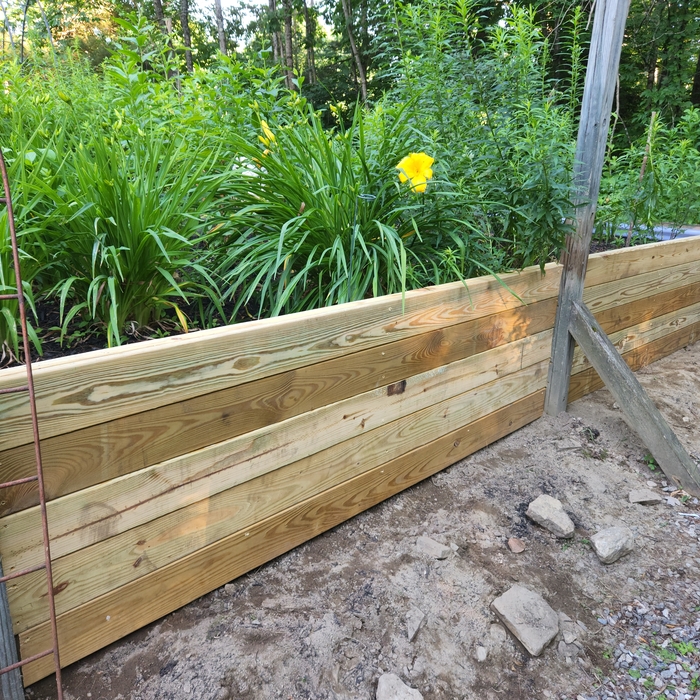
Raised Bed Face
Raised Bed Face

+6

Response time1 day
8 neighbors recently requested a quote
Recommended by88%of homeowners
Avatar for D&D Earthworks
D&D Earthworks
5.0(
4
)
Excavation - Major Grading or Resloping

Serving Oakland, ME and surrounding areas

Approved

In business since 2021

Free estimates

Credit card accepted

"D&D was quick to call us back, to walk the site and give us a quote, they started the job earlier than they thought they could, and worked all day/ every day to finish the job. The yard was raked, leveled, and seeded . Dustin is a knowledgeable professional, we couldn't be happier with the install. We were so pleased with his work that we hired him to do some extra grading for us."
Septic system
Septic system
Response time4 days
13 neighbors recently requested a quote
Avatar for Tree Pirates
Tree Pirates
5.0(
5
)
Landscape - Minor Grading or Resloping

Serving Oakland, ME and surrounding areas

Approved

In business since 2020

Free estimates

Offers commercial services

"Dan and his team of Clinton and Julie worked very hard installing a stone step to exit a room on the South side of my house. Julie also pruned a large and unwieldy Rhododendron in my front yard. Dan kept me informed as to when they would arrive and they were very polite and considerate. I am happy with the results. The new step is a wedge-shaped stone that will drain rain water and it provides a comfortable distance for stepping to the outside of the house."
My jobs
My jobs
My jobs
My jobs
My jobs

+5

4 neighbors recently requested a quote

...
Showing 1-10 of 96
Excavating FAQs, answered by experts

Yes. A metal detector is one of the quickest and easiest ways to find your septic tank. However, metal detectors can be too expensive (costing upward of $300 in some cases), and not everyone has a metal detector just lying around. If that’s the case for you, you can also take a long metal rod and poke it into the ground at regular intervals until you hit something—likely your septic tank lid.

The best type of soil to build on is a mixture of sand and clay, known as loam soil. Loam soil has the best combination of these soil types to build a foundation on. The clay particles help with water retention, so it won’t erode like sandy soil might, and the sandy particles help with drainage, so you won’t see unsafe soil expansion or have an increased risk of leaks from water sitting against your foundation.

In most areas, you will need a permit for excavation work, even for projects that only involve grading or yard leveling. Permit requirements depend on your local government and the scope of the project, but they are especially common for significant digging or work that could affect utilities or public property. These permits help protect the local topography and prevent drainage issues. An experienced excavation company will typically know whether permits are needed and can often handle the process of pulling and closing them for you. You can also verify permit requirements by contacting your local building department and describing your project.

You can bury underground electrical wire six inches deep—but only if you use a rigid metal electrical conduit. For rigid, non-metallic conduits, bury the wire at least 12 inches deep. If using an underground feeder cable rated for direct burial, you'll need to place it at least 18 inches deep, as it has no conduit for extra protection.

Directional drilling is complex and requires training to use the advanced machinery. It can be challenging to monitor the position of the drill since there’s no direct line of sight. Directional drilling can also be more expensive with a cost of $10 to $30 per linear foot compared to $5 to $12 per linear foot for trenching. 

The Oakland, ME homeowners’ guide to excavation services

From average costs to expert advice, get all the answers you need to get your job done.