



Top-rated energy efficiency auditors.

Get matched with top energy efficiency auditors in Limestone, ME

Enter your zip and get matched with up to 5 pros

Need a pro for your energy efficiency auditing project in Limestone, ME?

Select your specific project to find the pro for you.

Find Energy efficiency auditors in Limestone

Energy Efficiency Auditing questions, answered by experts

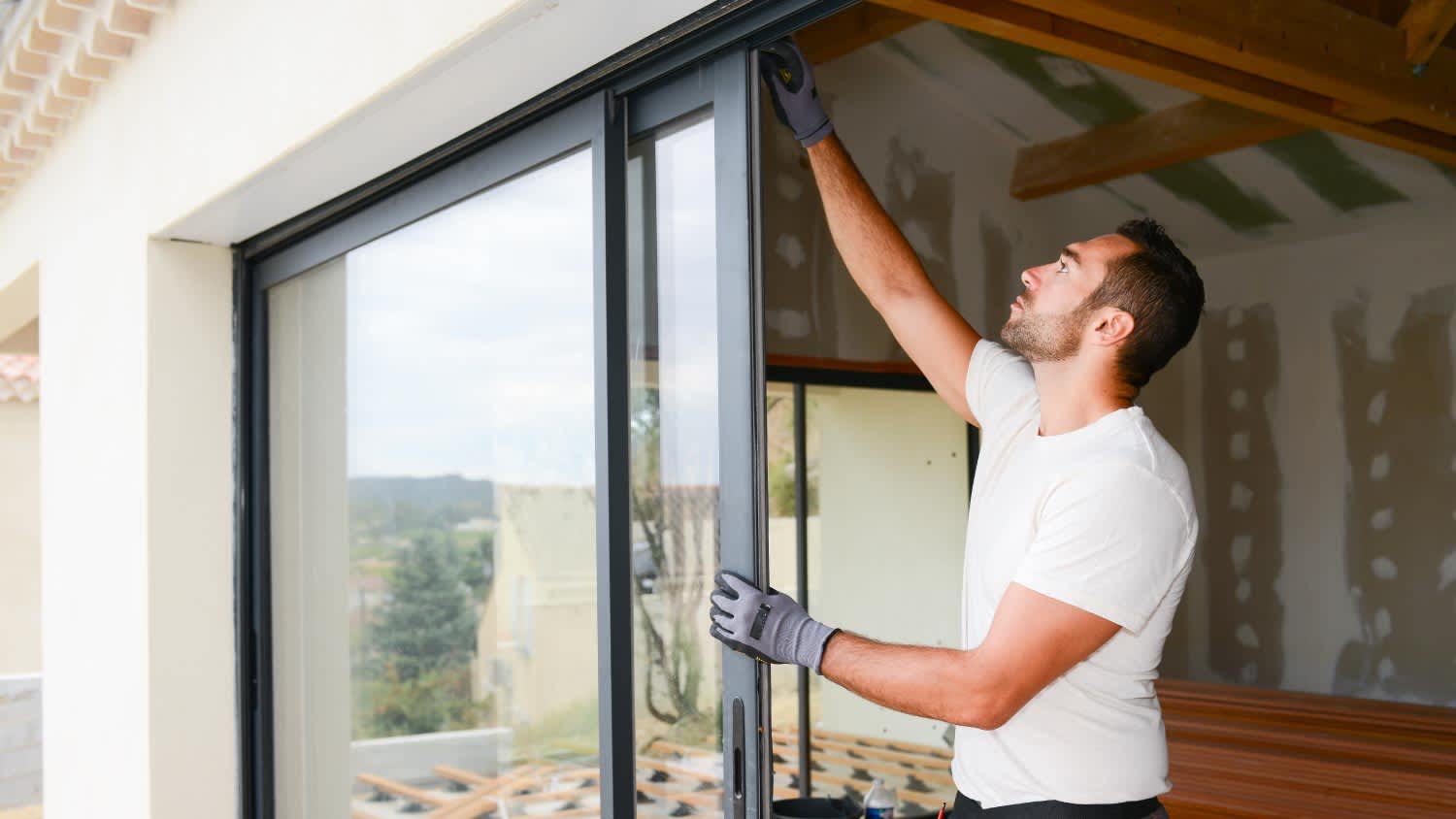
Replacing a window frame will improve your home’s energy efficiency if the old frame is cracked or damaged in a way that allows unconditioned air from the outside into your living space or if you upgrade to a more energy-efficient window frame material. Aluminum is the least energy-efficient window frame material, followed by vinyl and wood. Fiberglass and composite frames are the most energy-efficient.

Some types of electric fireplaces use more electricity than others. Models that produce 1,500 watts will have more of an effect on your heating bill than 750-watt models. 

Electric fireplaces use an average of $1.85 of electricity every eight hours. These minimal operational costs aren’t likely to make a big difference in your electric bill—unless you’re using it as a primary heating source for your home and it’s running most of the time.

String lights require electricity, but not an excessive amount, especially when compared to other lighting fixtures. LED rope lights, for instance, consume around one watt per foot. Running six or seven light strings simultaneously should only cost you around $10 to $15 each month. You can save even more money by remembering to turn off your lights during daylight hours. 

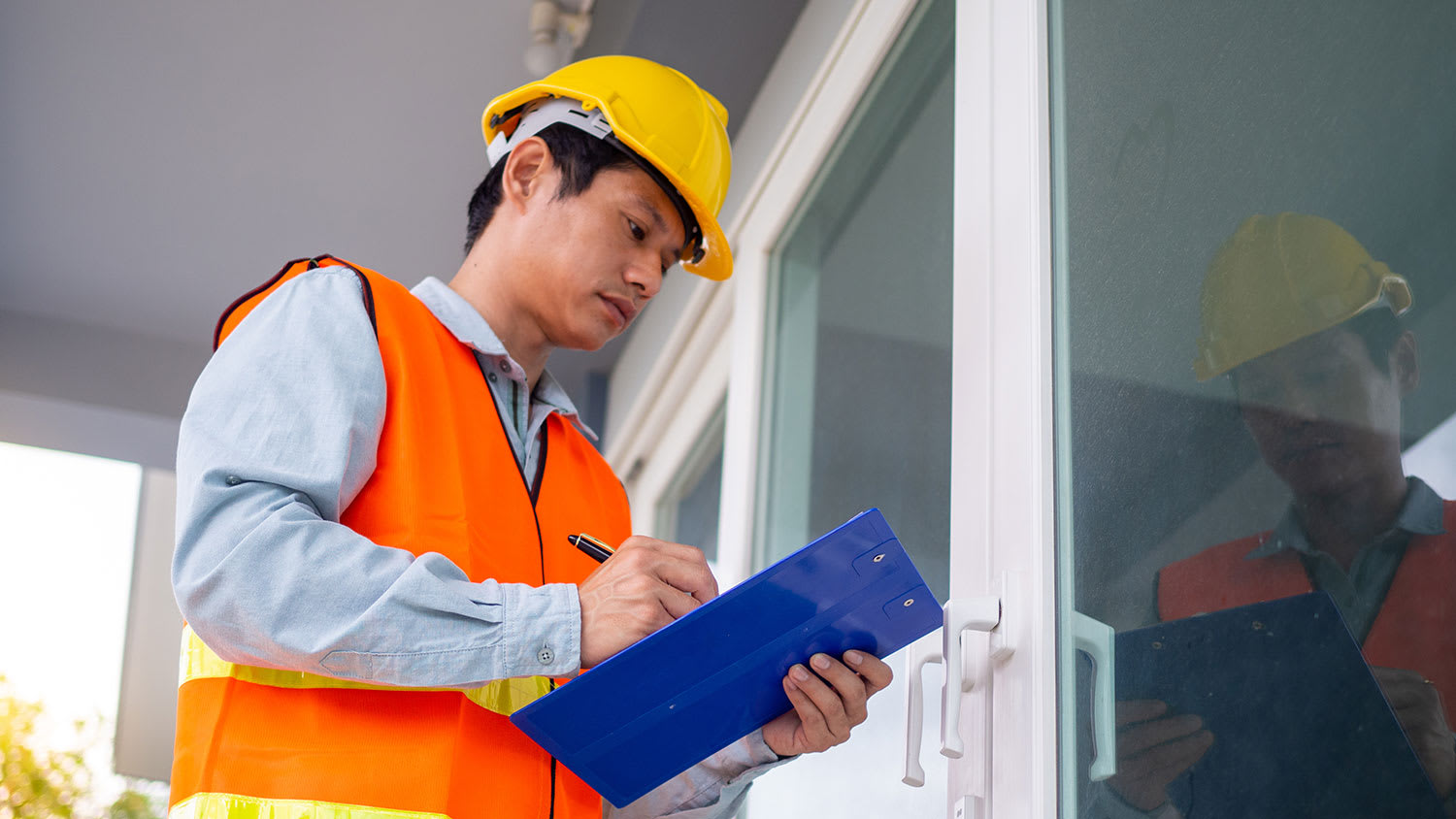
Typically, a local home energy auditor is responsible for performing energy audits. A home energy auditor will conduct one of three energy audits designed by the American Society of Heating, Refrigerating, and Air-Conditioning Engineers (ASHRAE) to determine the energy efficiency of your home. The auditor often provides analysis that can help guide changes and improvements to your home for better energy efficiency, giving recommendations as necessary.

Smart glass doesn’t use a lot of electricity, and you can expect a standard window to add between $1 and $2 per year to your electric bills. Smart glass is proof that energy-efficient windows work. Although your smart windows may consume a little energy to operate, they can save enough energy to offset the costs. If you’re concerned about the minimal bump to your electricity consumption, you can opt for smart tint, which doesn’t require electricity to work.

The Limestone, ME homeowners’ guide to energy efficiency auditing services

From average costs to expert advice, get all the answers you need to get your job done.