





Top-rated boiler installation pros.

Get matched with top boiler installation pros in Leeds, ME

Enter your zip and get matched with up to 5 pros

TRUSTED BY LEEDS, ME HOMEOWNERS

  • Average homeowner rating star icon4.8
    Average homeowner rating
  • Verified reviews icon47
    Verified boiler installation services reviews

Find Boiler installation pros in Leeds

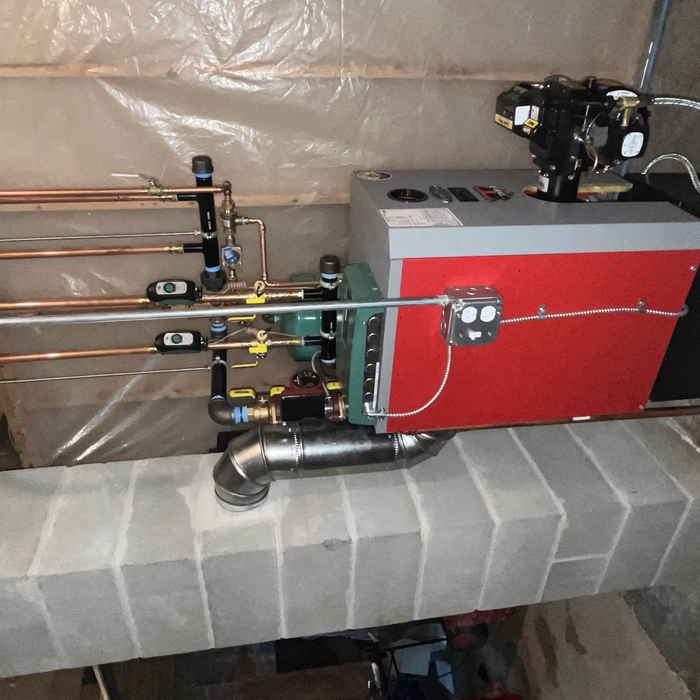
Integrated Air Solutions
5.0(
8
)
Boiler or Radiator Heating System - Install or ReplaceElectric Boiler or Radiator Heating System - InstallGas Boiler or Radiator Heating System - Install+3 more

Serving Leeds, ME and surrounding areas

In business since 2013

Emergency services offered

"Jeff was very knowledgeable and professional, moved and repaired my propane boiler when another company did not. i had struggled with this boiler not working properly for several years and in one visit he knew what was wrong and repaired it."
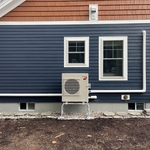
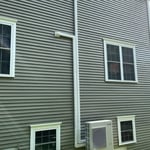
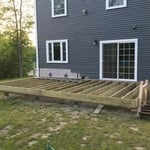
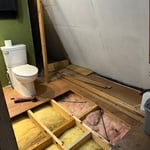
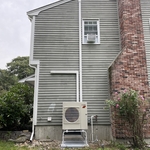
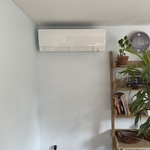
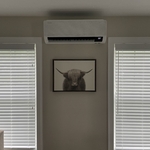
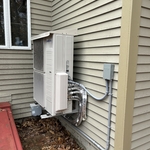
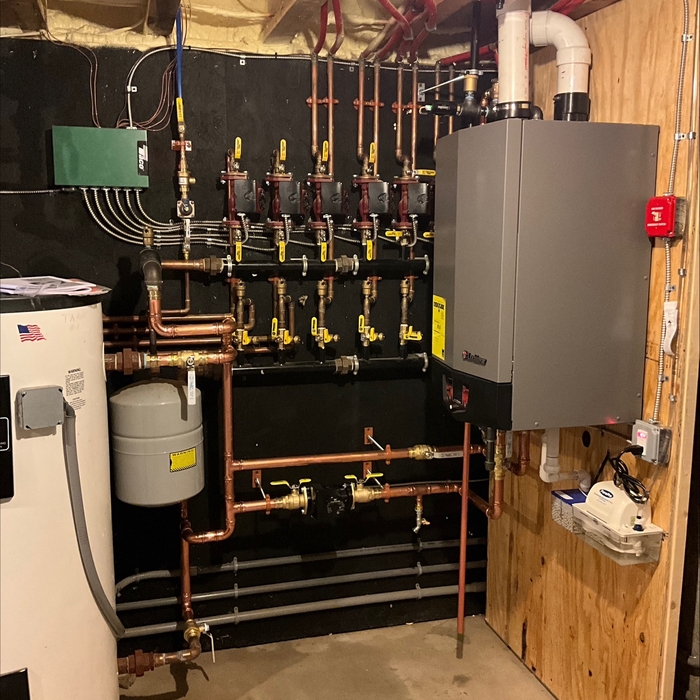
Additional Photos
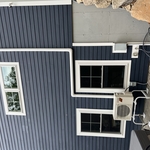
Additional Photos
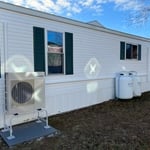
Additional Photos
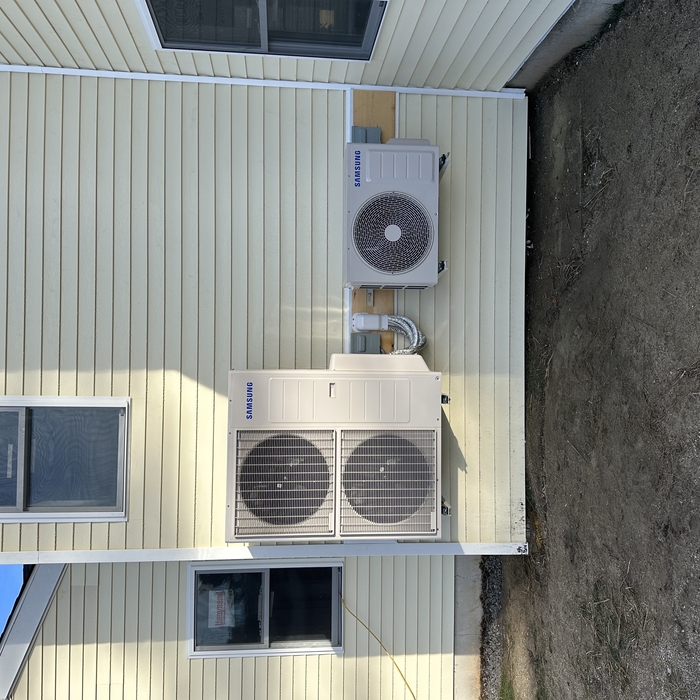
Additional Photos
Additional Photos

+1

Recommended by100%of homeowners
Sears Heating and Cooling - Portland
4.0(
5
)
Boiler or Radiator Heating System - Install or ReplaceGas Boiler or Radiator Heating System - InstallOil Boiler or Radiator Heating System - Install

Serving Leeds, ME and surrounding areas

In business since 1893

Free estimates

Warranties offered

"The Sears Home Improvement sales person that explained central air and the process for installing was very helpful and low pressure, which we liked. Installers were very knowledgeable and did a fast and excellent job. We have been very happy with the system and feel it is backed by a reliable company."
Carrier furnace
Recommended by100%of homeowners
Showing 1-10 of 16
Install Boiler questions, answered by experts

The radiators closest in proximity to the boiler heating system will heat up first. Radiators in rooms farther away from the boiler will take longer to heat up and may be the coolest rooms in the house. The radiator unit itself should heat up evenly; otherwise, there may be trapped air inside it.

Using heating oil to heat your home has its advantages, but it also has its disadvantages. 

Consider these drawbacks before installing a heating oil system:

  • Heating oil prices fluctuate frequently

  • Risk of oil spills or leaks

  • Produces more air pollution and soot compared to a gas furnace
  • Regular maintenance required for equipment

  • Need to reorder heating oil consistently to avoid running out

The average lifespan of a boiler is typically between 15 and 20 years, though some may last for as little as 10 years while others can reach 30. A boiler's longevity is influenced by several factors, including the quality of the unit, proper installation, and consistent professional maintenance.

The material also plays a significant role. Older boilers made from durable cast iron can last for over 20 years, with some functioning for up to 50 years. However, it's important to consider their lower efficiency, which can lead to higher utility bills. Modern boilers, often made from steel alloys, are designed to withstand high pressure and temperatures and have an average lifespan of about 20 years.

To maximize your boiler's lifespan, ensure it is installed correctly, have it professionally maintained each year, and address any necessary repairs immediately.

The cost-efficiency of baseboard heaters depends on the type and how you use them. Generally, standard electric baseboard heaters can be expensive to run because they use electric resistance heating, which is less energy-efficient than systems like forced-air or heat pumps. However, hydronic and gas versions are typically much cheaper to operate. Hydronic models are more energy-efficient because they heat a liquid that retains warmth longer, preventing the thermostat from turning on and off as often. The overall running cost is also influenced by local electricity rates, your home's insulation, and your usage habits. To increase efficiency, you can use baseboard heaters for zoning, meaning you only heat the specific rooms you are using.

Steam boilers require flushing at least every six to 12 months to keep them operating effectively for as long as possible. Depending on your water quality and frequency of use, you might need to do this more frequently. The flushing process helps to remove problematic buildup of sediments. While a boiler contractor near you can perform a thorough annual flush, learning how to drain the system yourself means you can do this monthly if you experience speedy mineral accumulation because of hard water. 

The Leeds, ME homeowners’ guide to boiler installation services

From average costs to expert advice, get all the answers you need to get your job done.