Top-rated plaster repair specialists.

Get matched with top plaster repair specialists in Jay, ME

Enter your zip and get matched with up to 5 pros

Need a pro for your plaster repair project in Jay, ME?

Select your specific project to find the pro for you.

Find Plaster repair specialists in Jay

Avatar for New England Home Renovations LLC
New England Home Renovations LLC
4.0(
311
)

Serving Jay, ME and surrounding areas

In business since 1983

Free estimates

Emergency services offered

"I had hired Richard's company to install a new fan in our bathroom.  They installed the fan but chipped the plaster around the edge of the fan and then left the plaster on the floor covering it with the bathmats.  I didn't intend to use NE Renovations again, but decided that all of the glowing recommendations from Angie's List must not be wrong.  I contacted Richard to install a new kitchen faucet the I had purchased. I told him about the plaster issue.  He came and installed my faucet when he said he would.  Several weeks later I emailed him to ask when he was going to send the invoice and he told me that he was not going to charge me because of the previous issue.  This kind of customer service is hard to find these days."
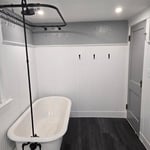
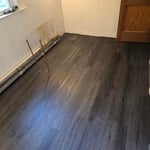
Before
After's
New boiler install
Removal of cast Iron to PVC.
Additional Photos

+37

Recommended by89%of homeowners
Architectural Drywall and Interior Design
5.0(
1
)

Serving Jay, ME and surrounding areas

In business since 1992

Free estimates

Credit card accepted

We are a locally owned and operated company. We value honesty and integrity in all aspects of our business. We offer a variety of home improvement services that are customized to each individual project. We pride ourselves on the quality of our work, as well as our commitment to outstanding results. We look forward to building lasting relationships with our clients and guarantee your satisfaction!

Response time1 day
Recommended by100%of homeowners
Showing 1-10 of 16
Plaster Repair questions, answered by experts

Plastering and skimming are two different techniques for finishing walls. Plastering involves applying a thick layer of a plaster mixture—typically containing gypsum, lime, cement, sand, and water—to create a new surface. This process often requires multiple coats and is used for repairing significant damage or creating decorative textures. Skimming, on the other hand, is a technique that involves applying a thin layer of drywall compound or joint compound over an existing surface to smooth it out, covering minor imperfections, small cracks, or uneven textures for a polished look. Plastering is generally more costly and labor-intensive than skimming. Although some people use the terms interchangeably, they refer to different processes and materials.

Costs range from $200 to $800, depending on the area size and damage severity.

The tool you use to sand plaster will depend on the size of the project. If you’re just working on a small section of your wall to get rid of an uneven spot on the surface, hand-sanding might work. However, for larger projects, a drywall sander can make a huge difference when it comes to both time and elbow grease—and an orbital sander can help for detailed areas such as around ceiling fans.

You can skim coat plaster, but it’s better to repair the plaster itself. A skim coat is a thin coat of drywall joint compound spread over the surface of a wall. The result is a flat finish that looks pleasing, but part of the appeal of plaster is its imperfections and aesthetic. Skim coating is best when limited to drywall applications.

Although they have similar applications, spackle and joint compound are not the same. Their primary differences lie in their composition, consistency, and ideal use cases.

Spackle is composed of gypsum and binding agents, making it thicker than joint compound. It dries quickly and is easy to sand, which makes it ideal for small wall repair projects like filling nail holes or patching minor damage.

Joint compound, also known as drywall mud, consists of limestone and gypsum. It is primarily used for large-scale projects, such as taping and finishing the seams on newly installed drywall. It tends to shrink more than spackle and can be more difficult to spread.

While both products can be used to fill small depressions and cracks, spackle cannot replace joint compound for taping and mudding new drywall. Conversely, you can often use joint compound for small patching jobs typically done with spackle.

The Jay, ME homeowners’ guide to plaster repairs

From average costs to expert advice, get all the answers you need to get your job done.