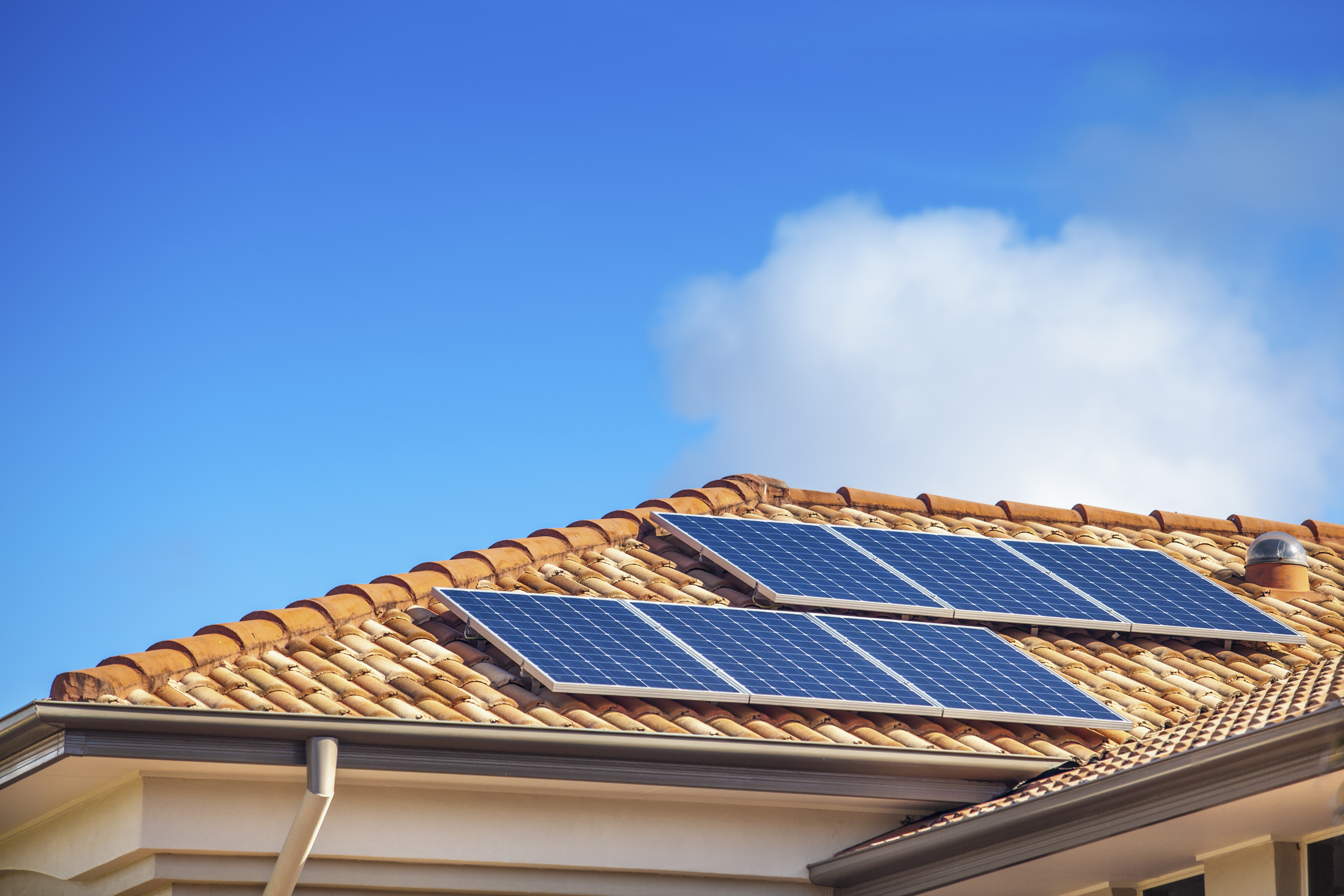
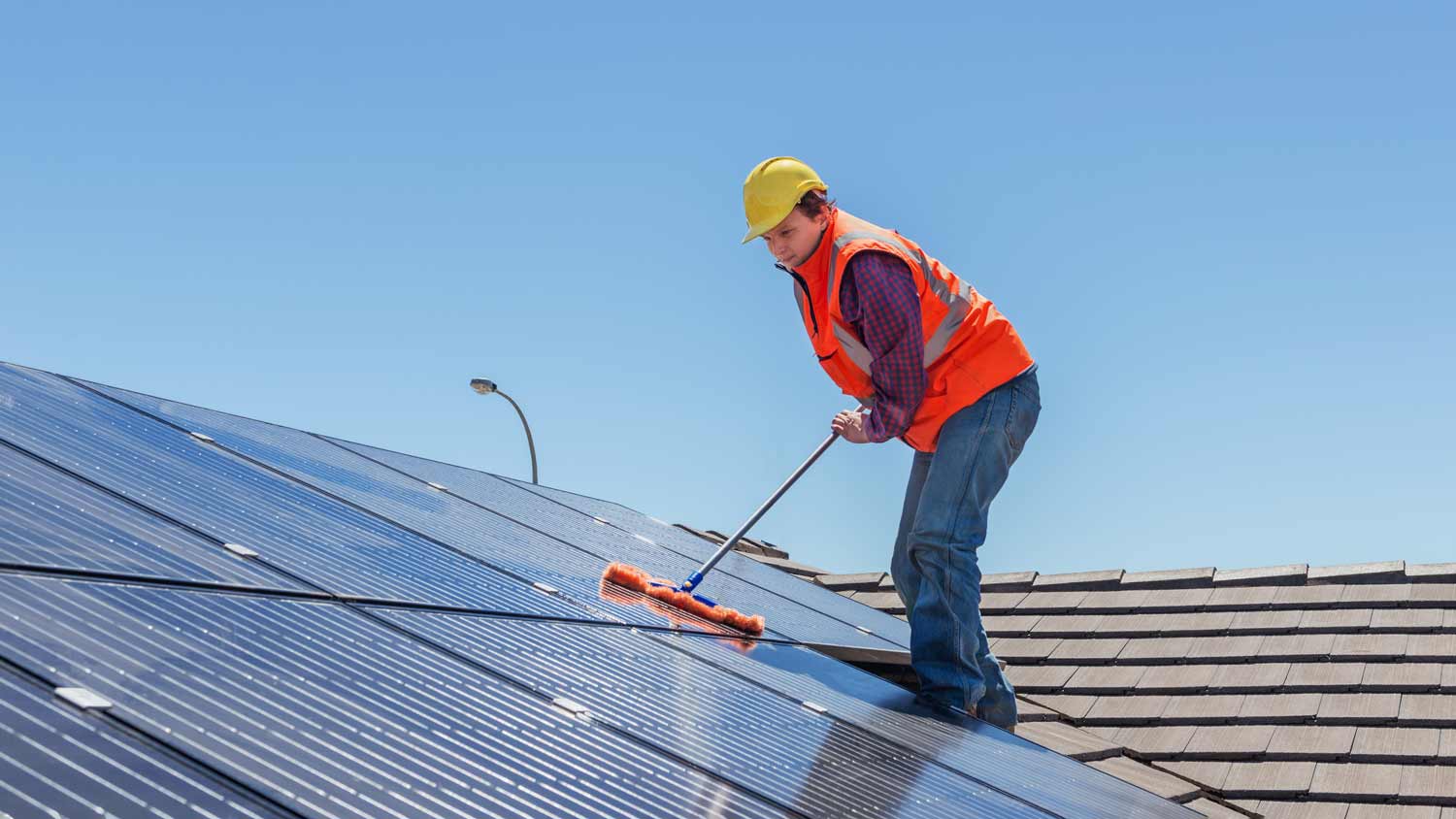
We provide residential and commercial solar power options, and provide support services for industry partner companies. We offer no cost consultations and $0 down financing. Please contact our office for a consultation at (931)922-8258.
"When working around the house I noticed that my main circuit breaker panel was suffering some severe corrosion which turned out to be due to a leak coming down the main power cable. NE Renovations had gotten good reviews so I asked them and others for a quote. The NE Renovations team (I believe sub-contractors) seemed to know the most about what they were doing and also helped me take temporary measures to stop the leak. When they came back to perform the job they were very quick, clean and professional. This included replacing the interior and exterior wall penetration, meter box, main feed cable and some pieces on the circuit breaker panel. They also dealt with the town for permits and the electric company for pulling the box. Overall they did exactly what they said for the price that they quoted and I was very pleased with their service. I also used two of the Angie's List "BigDeal" coupons, which they handled without any problems. I would definitely recommend them to others. "
"We've used them for 16 years between our two homes.The cost is very reasonable.We pay a service fee visit. If its not covered, let say when our dishwasher was replaced. We wanted a more expensive one so we paid the difference."
Silicon Maine is based on the belief that our customers' needs are of the utmost importance. Our team is committed to meeting those needs. We welcome the opportunity to earn your trust and deliver you the best service. No job is too big or too small for our experienced team. Call today for a quote. \n
Solar batteries can be a great investment to help maximize your solar savings and make your system and home more valuable, but they’re most beneficial to customers who don’t have access to net metering. If your state or energy provider doesn’t provide net metering, batteries can be a great way to offset consumption even when your panels aren’t producing power. They also come with the added benefit of providing electricity through blackouts, so they’re valuable in areas prone to severe weather that could cause frequent blackouts. Your installer can help you decide if batteries are worthwhile.
No, you cannot turn on a new solar system before inspection. The inspector checks that the system is correctly connected to the grid and that safety components and features are in place. This process prevents problems on the electrical grid and offers protection against fire in your home.
Your local utility company may also require inspection documentation before you can connect to the grid. An inspection can ensure solar power efficiency and determine how you might increase it.
Rooftop solar panels supply energy to a single household, where a solar farm can power multiple homes at once with clean energy. Residential rooftop solar panels cost more per watt with a lower project total, and those panels only service the residence they are installed on (in most circumstances). With a solar farm, multiple households can buy into the project and share the overall cost.
Solar well pumps range from needing 200 watts of power to as much as 12,000 watts for heavy-duty pumps. Since the most common and cost-friendly solar panels are 100-watt panels, you’ll need between two and 12 panels. The average is between two and eight panels for standard pumps. Based on the average cost of solar panels ($1 to $1.50 per watt), you’d pay between $200 and $1,800 for your well pump solar panels—not including installation.
Solar panels can pay for themselves in five to 15 years, depending on the cost of your system, how much energy it generates, whether you qualify for incentives or power buybacks, and the price of energy in your area. Solar panels pay for themselves over time as they lower electricity bills, so it will take time to recoup your initial investment. However, the longer you have your system, the more money you can save and earn.
The Jackman, ME homeowners’ guide to solar panel services
From average costs to expert advice, get all the answers you need to get your job done.
There are a few factors to consider when it comes to solar panel repair costs. This guide breaks down the prices of solar panel removal, repair, and replacement.
Find out how much it costs to remove solar panels, including average prices, key cost factors, and tips to save money on your solar panel removal project.
Residential solar panel dimensions can vary slightly from brand to brand, but this guide can help you understand the basics and choose the best option.
Solar panels are low-maintenance but occasionally require some elbow grease. This guide will help you learn how often solar panel maintenance is required.