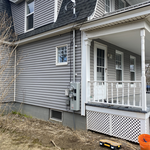
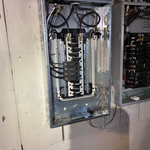
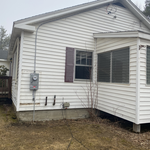
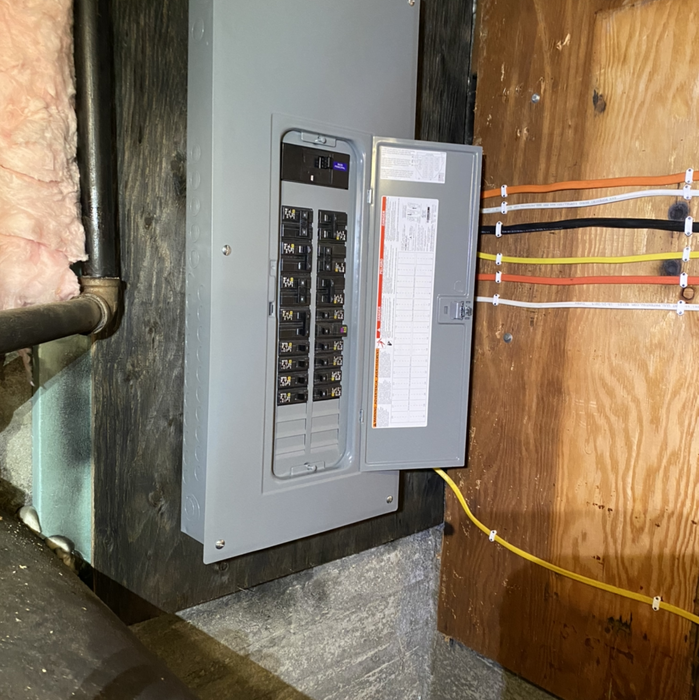
"Work was phenomenal, small business owner dave was super courteous and work was professionally done. Answered all my questions. Was very satisfied thanks again dave!"
With several years experience, PROfessional Home Inspection works hard to bring each customer the best possible service and quality available. We look forward to working with you on your next project. We welcome your questions and thank you for your interest.
Lou Harris Inspections is located in Newport, ME, offering the finest in home inspection professionalism and quality. When it comes to customer service, we are unmatched in the region. For the best of the best, contact Lou Harris for your next Home Inspection.\n
Energy Efficiency Auditing questions, answered by experts
The answer is a resounding yes, as dishwashers save significant water and energy compared to washing dishes by hand. The difference is so drastic in fact that those who use energy-efficient dishwashers can expect savings of over $450per year. This is because dishwashers use less water, they wash at a higher temperature than a hand rinse, and you don’t need to rinse them after washing. New dishwashers use around 4 gallons per load, whereas washing by hand can use up to 2 gallons per minute.
The difference between an energy auditor and a home inspector is primarily in the purpose of the inspection. The energy auditor conducts tests in your home to determine the energy efficiency levels in areas like windows, insulation, and doorways. The auditor then makes recommendations for ways to improve a home’s energy efficiency.
A home inspector examines various structures of your home to determine that everything is up to code and gauge the condition of features like the roof, foundation, HVAC, and electrical. The home inspector reports on the overall home and makes repair recommendations.
While many states require all new construction to undergo blower door tests, it’s not a requirement for existing homes. But in both cases, a blower test helps confirm that the contractor has sealed the exterior, that the type of ductwork installed is functioning properly, and that your home is as efficient as possible.
Wood windows fall in the middle of the window frame materials when it comes to energy efficiency. They’re more insulating than aluminum and vinyl, but they aren’t as efficient as fiberglass or composite frames. If you love the look and lifespan of wood windows and want to maximize efficiency, you can upgrade to double-pane or triple-pane glass and consider window tinting and low-emissivity (low-E) coatings to minimize heat transfer.
Smart glass doesn’t use a lot of electricity, and you can expect a standard window to add between $1 and $2 per year to your electric bills. Smart glass is proof that energy-efficient windows work. Although your smart windows may consume a little energy to operate, they can save enough energy to offset the costs. If you’re concerned about the minimal bump to your electricity consumption, you can opt for smart tint, which doesn’t require electricity to work.
The Jackman, ME homeowners’ guide to energy efficiency auditing services
From average costs to expert advice, get all the answers you need to get your job done.
Discover the average home energy audit cost, what impacts pricing, and how to save money on your audit. Get transparent, expert-backed cost info for homeowners.
Thinking about scheduling a home energy audit? Learn how to improve energy efficiency, lower your utility bills, and hire the right local pro for the job.