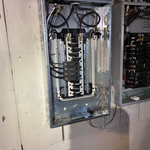
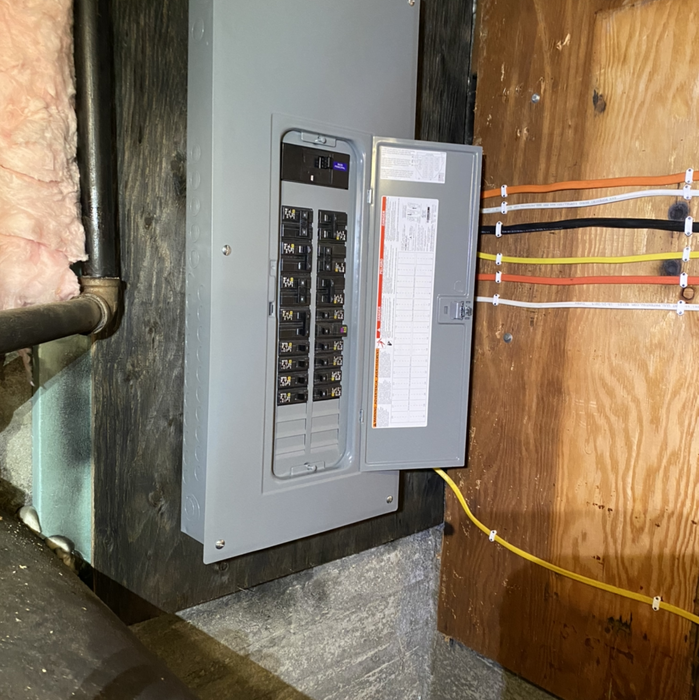
"Called them 1 day before and them came the Next day at 9:00 . a few hours later the work was complete . Was surprise at their promptness and how fast the work was completed. They also replace wiring that was eaten by a critter .Very happy and would recommend them to others ."
"I had hired Richard's company to install a new fan in our bathroom. They installed the fan but chipped the plaster around the edge of the fan and then left the plaster on the floor covering it with the bathmats. I didn't intend to use NE Renovations again, but decided that all of the glowing recommendations from Angie's List must not be wrong. I contacted Richard to install a new kitchen faucet the I had purchased. I told him about the plaster issue. He came and installed my faucet when he said he would. Several weeks later I emailed him to ask when he was going to send the invoice and he told me that he was not going to charge me because of the previous issue. This kind of customer service is hard to find these days."
"The furnace took 4 days to get approved( not counting a Sunday) the others were quick but the water heater had to be ordered so without hot water for a week. One ceiling fan was easy but within a year their policy changed and They would not install the one I purchased and had to get a new one approved and then ordered online and took several weeks to get straightened out. Not sure who was at fault, AHS, installer or scheduling with renter. Fee is usually $75 per visit"
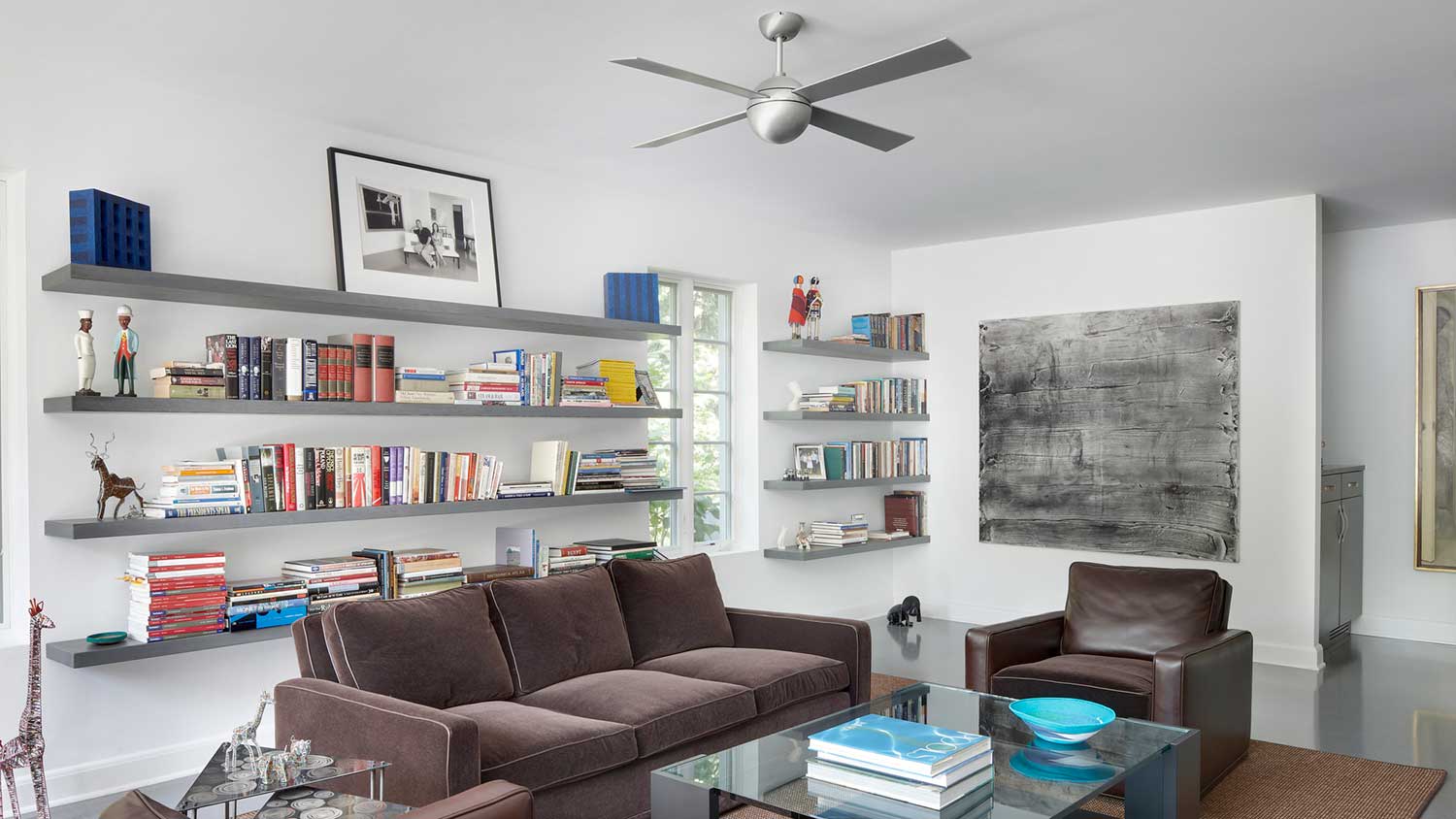
The most efficient ceiling fan height is 8 to 9 feet from the floor to the fan blades. For ceilings higher than 9 feet, a downrod can be used to lower the fan to the optimal height. This positioning ensures adequate air circulation and maximizes the cooling effect. Remember, fans should be installed at least 7 feet above the floor for safety.
Coffered ceilings often come with additional embellishments and accessories, including tin panels, medallions, trim, molding, recessed lights, and finials. Whether you’re looking for a simple grid pattern or want an elaborate, decorative ceiling with all the bells and whistles, there are plenty of options to choose from.
No, a ceiling fan doesn’t have to be wired to a switch, but it’s often more convenient. You can use the included pull chain if your ceiling isn’t too high or install a remote module later, as they are a cheap, easy-to-install option that’ll let you control both the fan and light fixture.
Ceiling fans are very often worth the investment because they improve comfort in your living space and help reduce utility bills. In the late spring and early fall—and even in the summer in some areas—homeowners with ceiling fans can often get away with open windows and fans, which can cut down on cooling bills and also reduce wear and tear on the HVAC system. Over time, ceiling fans can pay for themselves by saving you money on electric bills and air conditioner repair and maintenance.
Many ceiling fan mounts feature a design that can accommodate slight slopes by using a ball joint mechanism at the end of the downrod. If your ceiling has a steeper slope than your fan allows for, you can install a downrod that will allow your fan to safely hang below the slope.
The Jackman, ME homeowners’ guide to ceiling fan services
From average costs to expert advice, get all the answers you need to get your job done.
Discover the cost to install a ceiling fan, including labor, materials, and tips to save. Learn what impacts your price and how to budget for your project.
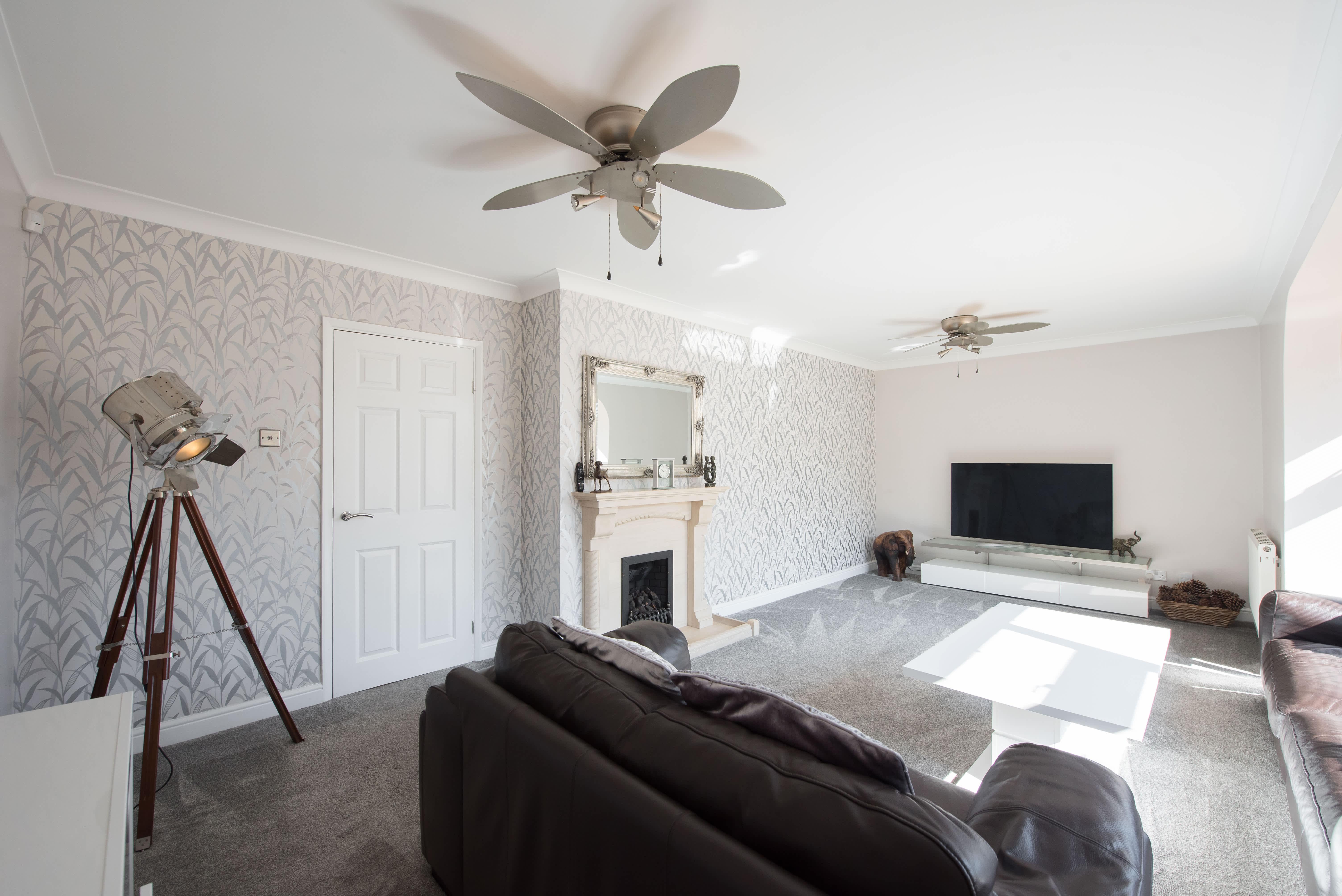
Ceiling fans cool down your home while stylishly accenting your space. With a variety of types of ceiling fan on the market to choose from, you can’t go wrong.
Although the risk is low, there are a few telltale signs that a ceiling fan will fall off your ceiling. This guide explains when to worry (and when not to).
With the right size, ceiling fans are an energy-efficient way to cool a room. Use this ceiling fan size guide to find the perfect model for your space.