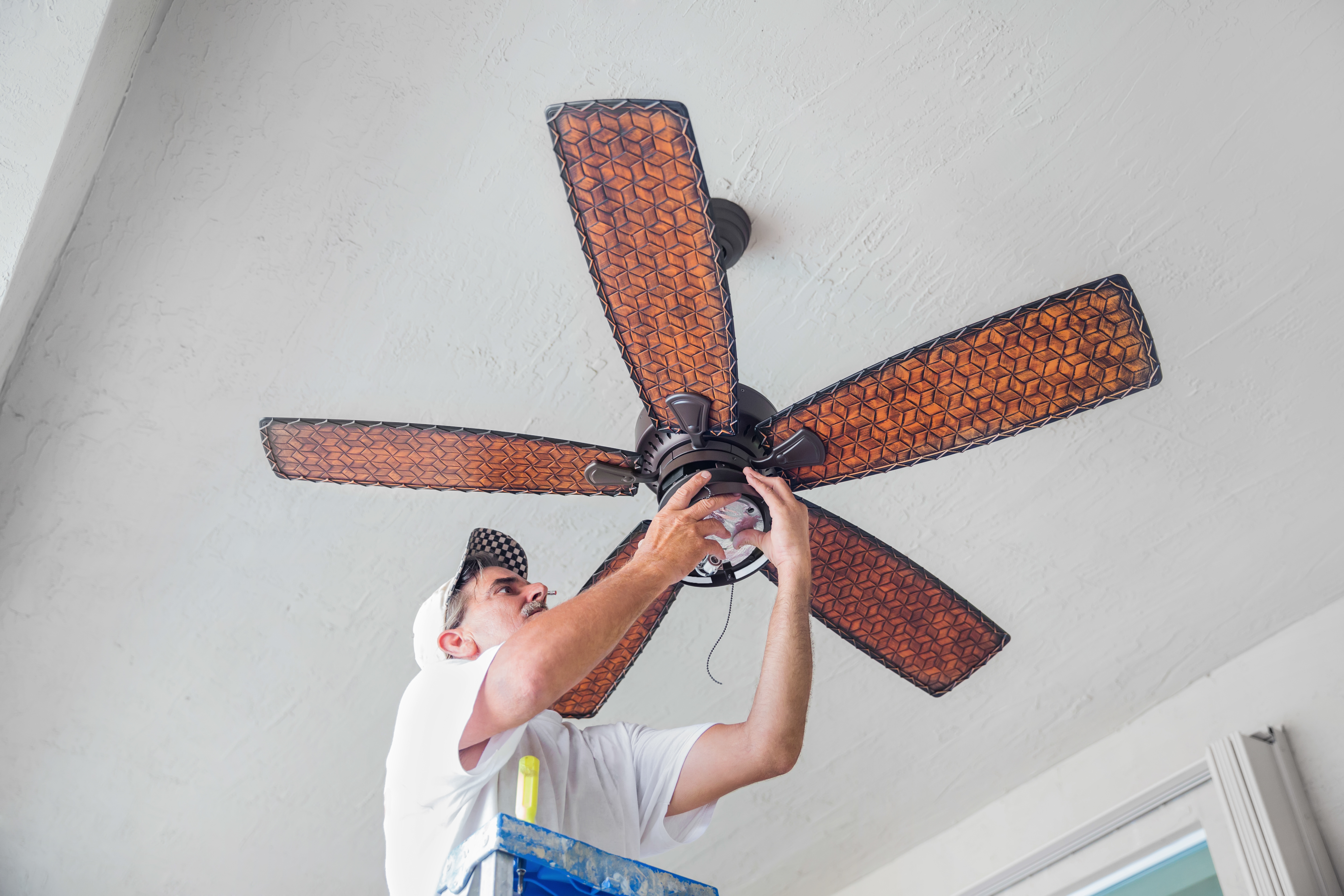







Top-rated ceiling fan pros.

Best ceiling fan pros near Hermon, ME

Enter your zip and get matched with up to 5 pros

Need a pro for your ceiling fan service project in Hermon, ME?

Select your specific project to find the pro for you.

Top-Rated Ceiling fan pros in Hermon - Updated Nov 2026

Avatar for Choice Home Warranty
Choice Home Warranty
4.0(
5,680
)
Ceiling Fan - InstallCeiling Fan - Repair

Serving Hermon, ME and surrounding areas

In business since 2008

Emergency services offered

Credit card accepted

"Dishwasher and ceiling fan service was wonderful. Garbage disposal is on its way, the shower fixture was a little messy and have to return 3 times to fix, pray its the last time. But not Choice Warranty's fault. Alittle pricey but allows you to pay them out."
Recommended by81%of homeowners

Avatar for New England Home Renovations LLC
New England Home Renovations LLC
4.0(
311
)
Ceiling Fan - InstallCeiling Fan - Repair

Serving Hermon, ME and surrounding areas

In business since 1983

Free estimates

Emergency services offered

"I had hired Richard's company to install a new fan in our bathroom.  They installed the fan but chipped the plaster around the edge of the fan and then left the plaster on the floor covering it with the bathmats.  I didn't intend to use NE Renovations again, but decided that all of the glowing recommendations from Angie's List must not be wrong.  I contacted Richard to install a new kitchen faucet the I had purchased. I told him about the plaster issue.  He came and installed my faucet when he said he would.  Several weeks later I emailed him to ask when he was going to send the invoice and he told me that he was not going to charge me because of the previous issue.  This kind of customer service is hard to find these days."
Before
After's
New boiler install
Removal of cast Iron to PVC.
Additional Photos

+37

Recommended by89%of homeowners
Avatar for American Home Shield – Home Warranty
American Home Shield – Home Warranty
3.5(
5,689
)
Ceiling Fan - InstallCeiling Fan - Repair

Serving Hermon, ME and surrounding areas

In business since 1971

Credit card accepted

"

I have used them for small things like wall sockets and ceiling fans, they don't replace faucets .I really thought about dropping them because  

at 50.00/month and not using them that is $600.00 /year I could save. I guess I have Paid for 3 washers since I've used them. They could definitely be a benefit to so one with an older home. I give them a grade of A.


"
Additional Photos
Additional Photos
Additional Photos
Additional Photos
Additional Photos

+2

Recommended by65%of homeowners
Ceiling Fans FAQs, answered by experts

Ceiling fans require periodic cleaning of blades to avoid dust accumulation, checking screws and connections for firmness, and occasional lubrication for components, keeping the fan running smoothly and quietly over time.

If you’re removing a ceiling fan without visible screws, start by locating the fan canopy—a round cover placed above the fan blades and motor. There should be a thin ring that can be turned counterclockwise to remove the canopy and reveal the screws. After unscrewing the fan, you can disconnect the wires and remove the entire fan from the mounting hardware. For safety, make sure the fan switch is turned off before you remove the canopy. It may be easier to remove the fan blades first, too.

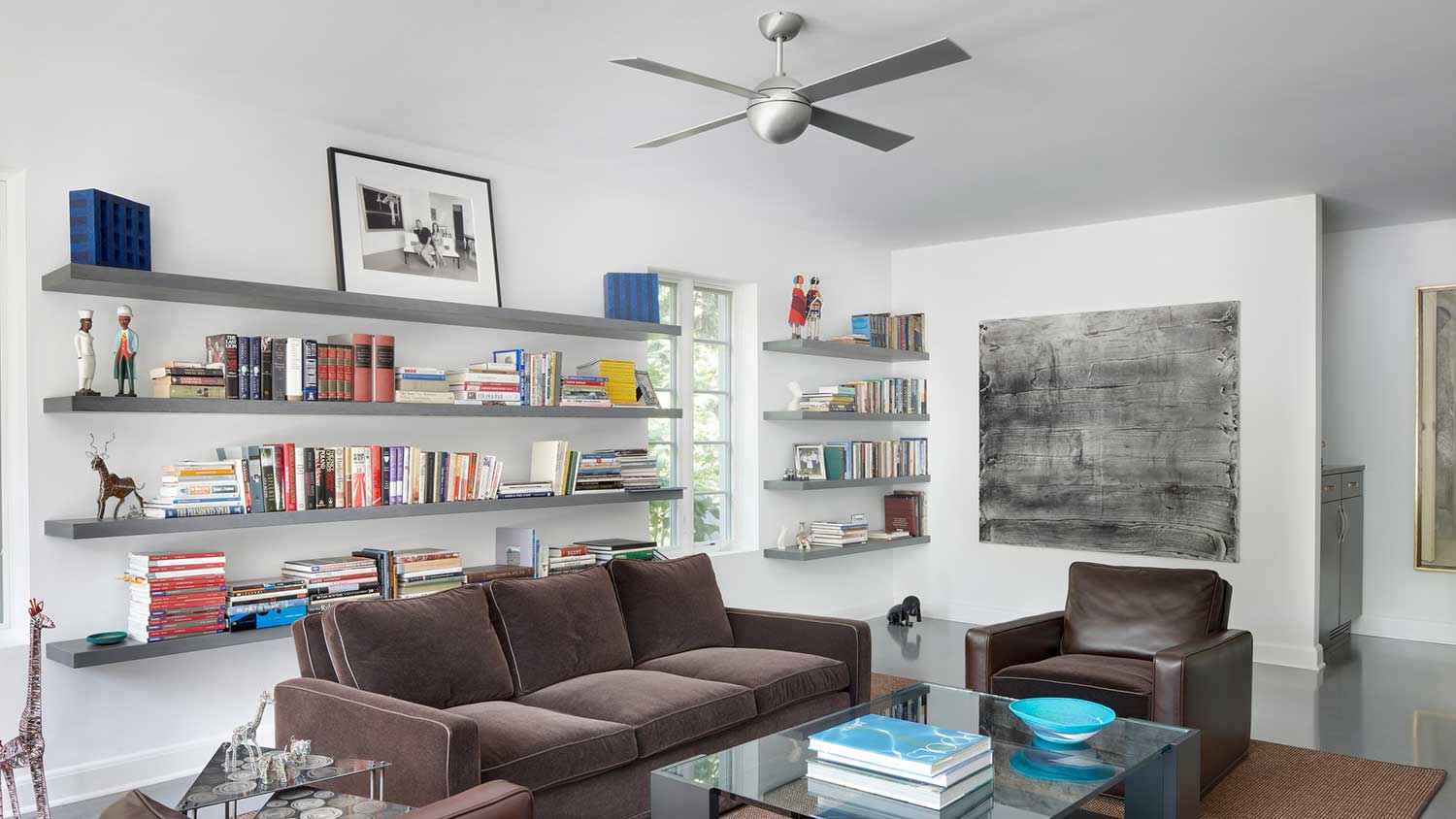
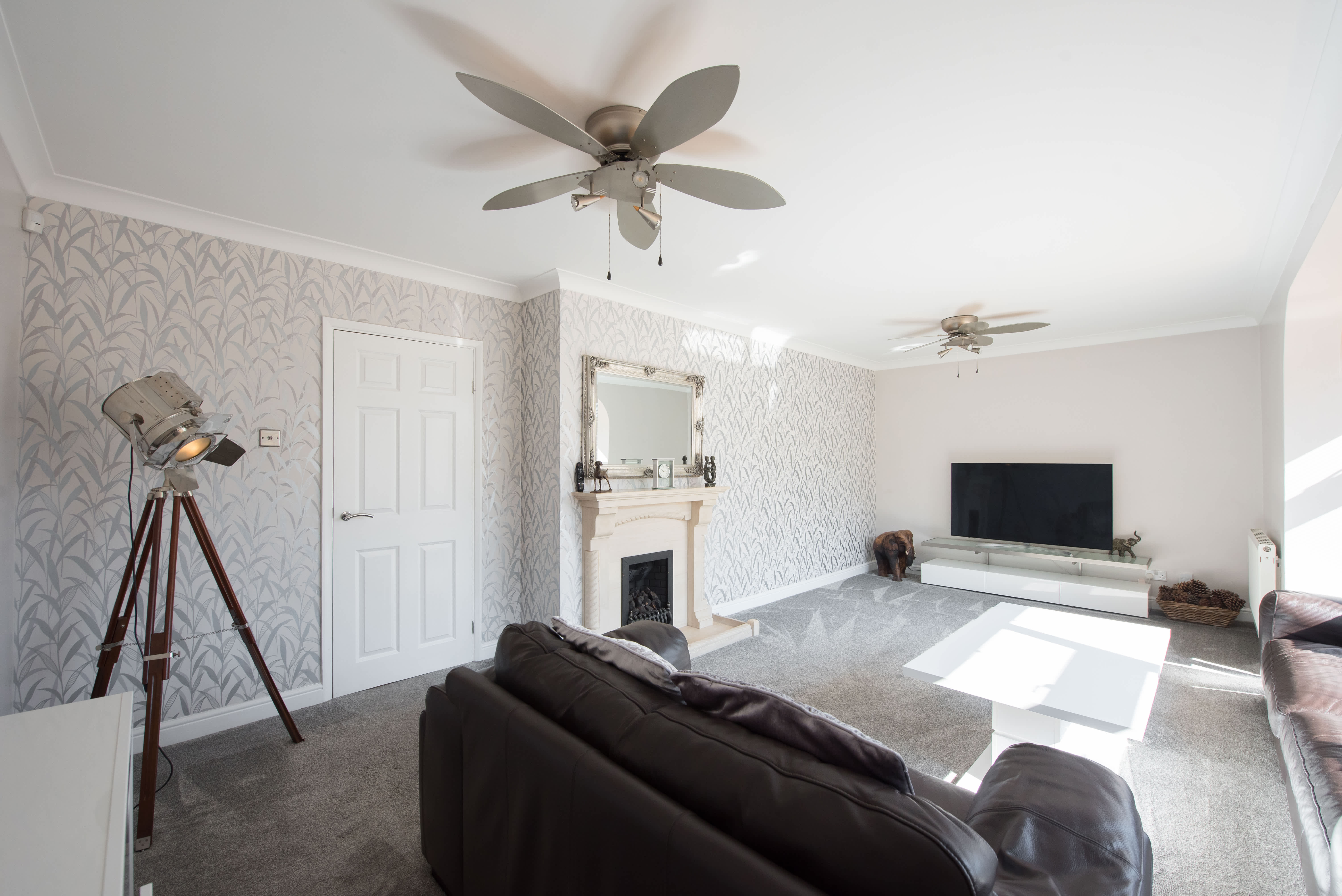
The number of blades for your fan poses both advantages and disadvantages. Typically, the more blades on a fan, the better the air distribution and cooling effect, but this also means that your fan will have more wear on its motor. For small rooms, three-blade fans should work fine. For larger areas like living rooms, four or five-blade fans might be the better option. 

The direction your ceiling fan spins helps create comfortable airflow in your home and can also help cut down on energy costs. 

During summer, your ceiling fan should spin counterclockwise. This will push cooler air downward in a column and help lower your room’s air temperature. In the winter, set your ceiling fan to spin clockwise and at the lowest speed setting. This will pull cool air upwards, displacing the warm air that pools towards the top of your ceiling and bringing it down towards the floor.

Identifying the source of noises is your first step to soundproofing a room without overspending. Generally, sound comes from inside or outside of the house. Inside noises include creaking floors, living noises like TVs in the living room, cooking sounds, or kids being kids. External noises generally include incremental weather, disturbing neighbors, and street traffic. Inside noises require you to soundproof floors, ceilings, and doors, whereas outside noises may require you to soundproof your attic, windows, and walls facing the streets.

The Hermon, ME homeowners’ guide to ceiling fan services

From average costs to expert advice, get all the answers you need to get your job done.