


Top-rated ceiling fan pros.

Get matched with top ceiling fan pros in Exeter, ME

Enter your zip and get matched with up to 5 pros

Need a pro for your ceiling fan service project in Exeter, ME?

Select your specific project to find the pro for you.

Find Ceiling fan pros in Exeter

Avatar for New England Home Renovations LLC
New England Home Renovations LLC
4.0(
311
)
Ceiling Fan - InstallCeiling Fan - Repair

Serving Exeter, ME and surrounding areas

In business since 1983

Free estimates

Emergency services offered

"I had hired Richard's company to install a new fan in our bathroom.  They installed the fan but chipped the plaster around the edge of the fan and then left the plaster on the floor covering it with the bathmats.  I didn't intend to use NE Renovations again, but decided that all of the glowing recommendations from Angie's List must not be wrong.  I contacted Richard to install a new kitchen faucet the I had purchased. I told him about the plaster issue.  He came and installed my faucet when he said he would.  Several weeks later I emailed him to ask when he was going to send the invoice and he told me that he was not going to charge me because of the previous issue.  This kind of customer service is hard to find these days."
Before
After's
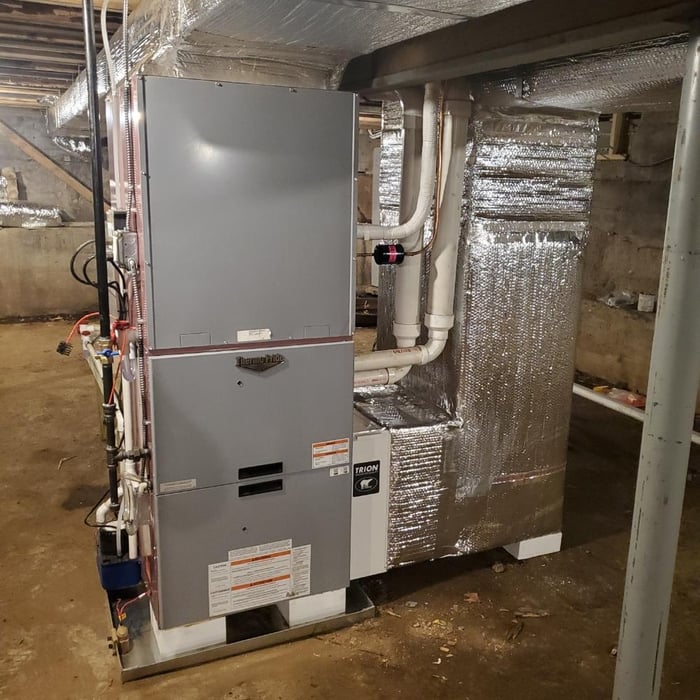
New boiler install
Removal of cast Iron to PVC.
Additional Photos

+37

Recommended by89%of homeowners
Avatar for American Home Shield – Home Warranty
American Home Shield – Home Warranty
3.5(
5,688
)
Ceiling Fan - InstallCeiling Fan - Repair

Serving Exeter, ME and surrounding areas

In business since 1971

Credit card accepted

"The furnace took 4 days to get approved( not counting a Sunday) the others were quick but the water heater had to be ordered so without hot water for a week. One ceiling fan was easy but within a year their policy changed and They would not install the one I purchased and had to get a new one approved and then ordered online and took several weeks to get straightened out. Not sure who was at fault, AHS, installer or scheduling with renter. Fee is usually $75 per visit"
Additional Photos
Additional Photos
Additional Photos
Additional Photos
Additional Photos

+2

Recommended by65%of homeowners
Ceiling Fans questions, answered by experts

To convert a ceiling fan to wireless, you’ll need to install a canopy module to access the lighting and fan controls. Many options are available, all of which help you control specific elements of your ceiling fan, so you have plenty of choices depending on your needs.

If your home already has wires for a ceiling fan (and optional light kit), then it’s quite safe to wire and install it yourself. Always be very careful to shut off the power before you begin, and confirm that the power is safely off with a non-contact voltage tester before touching anything. It’s also highly recommended to use eye protection, rubberized gloves, and tools with rubber handles to keep yourself safe from electric shock.

If you’re replacing an old fixture with a ceiling fan, you usually won’t need a permit, but if your electrician runs new wiring for the fixture, you likely will need a permit. Building permits are necessary in most municipalities if you’re making changes to your electrical system, so even if you have partial wiring run to the area and need new wiring installed for added functionality, you’ll probably need a permit. Your electrician should be able to let you know if you need one, and they’ll typically file the paperwork for you.

To determine if your ceiling box can support a fan, you must check if it is specifically fan-rated. Manufacturers are required to indicate this on the box itself. You may need to remove the existing light fixture to look inside the ceiling box for an inscription stating it is rated for fan use. If you do not see this confirmation, the box is likely not strong enough and must be replaced with a fan-rated junction box. For a proper and safe installation, you should also use a fan brace to secure the new box between the ceiling joists, which provides the necessary support for the fan's weight and motion.

Identifying the source of noises is your first step to soundproofing a room without overspending. Generally, sound comes from inside or outside of the house. Inside noises include creaking floors, living noises like TVs in the living room, cooking sounds, or kids being kids. External noises generally include incremental weather, disturbing neighbors, and street traffic. Inside noises require you to soundproof floors, ceilings, and doors, whereas outside noises may require you to soundproof your attic, windows, and walls facing the streets.

The Exeter, ME homeowners’ guide to ceiling fan services

From average costs to expert advice, get all the answers you need to get your job done.