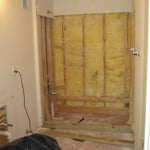
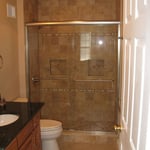
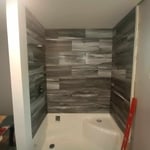
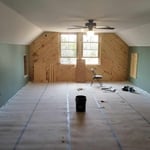
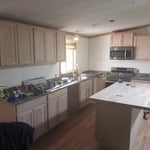
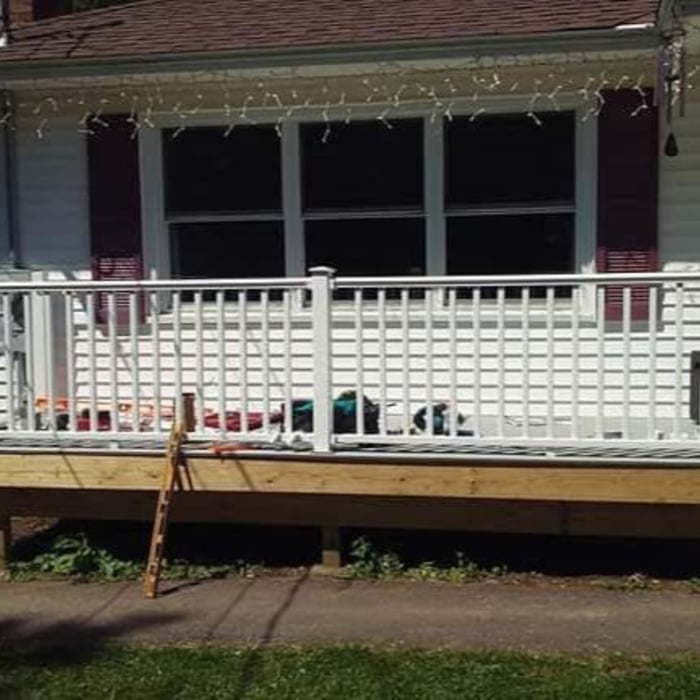
"I don't give 5 stars easily, between promptness, courtesy, talent for the work, being able to roll with changes and clean up there is usually some kind of deficiency. But not here, Devon and Aaron did perfect work, moved quickly, finished on schedule, and transformed the interior of my home. I'll have him back anytime."
"The best electrical Company I have ever had work for me. They scheduled my appointment and kept me informed very well when they could do the job. Mike was very conscious about our house and his work area. He work very fast and fixed everyone of my problems, if you call and there is a little wait time before they can do it wait because Baker electric is worth the wait."
"Harvey and his team were professional and courteous. My wife and I were very satisfied with the completed work on the interior. We had originally planned on doing the exterior of the house first but had to change our plans. Harvey was accommodating and offered suggestions. Some I took, some I didn't. We are already discussing the projects for this coming summer. He doesn't know it but I have a couple new ideas I may implement. I have no doubt that they will do as an outstanding job on the exterior as they did inside. It looks like a new home."
"They did a good job especially considering how brittle my old siding had become over the years. I’m pleased with their work and the price was right. I plan to hire them to do a couple more small jobs that I’m to old to do myself."
Multi-craft technician with 10+ years across welding and fabrication, HVAC-R service, and property maintenance. U.S. Navy veteran with shipyard, structural steel, and manufacturing experience. Holds Universal EPA certification, OSHA 30, and advanced welding credentials; currently pursuing a B.S. in Business Administration. Known for reliability, safety discipline, and learning new systems fast
"Everything went wonderfully with this company. They were very professional, listened to exactly what my problem was, and explained to me how they were going to diagnose the problem and/or solve it before doing any actual work. Once they started, the team (three people came) worked together like a well-oiled machine. One was in the room with diagnostics, one was at the fuse box looking for possible problems there, and the third went into the crawlspace beneath our house to look at the physical wiring. Once the problem was found (there was a faulty wire beneath the house that had come loose from the junction box), it was fixed and tested within minutes and another full diagnostic was done to make sure there were no other possible issues. They cleaned up after themselves very neatly. They also replaced the light switch with a dimmer switch at no extra cost! Well within my budget, and came in even lower than their original (FREE) estimate! I would highly recommend this company to anyone in the Bergen County area. "
"It was an excellent experience! Everything was done in a timely and professional manner. You can tell he takes pride in his work and wants the best outcome! Front Ridge Renovations surely certainly strives to make their customers happy! Would absolutely hire again!"
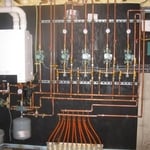
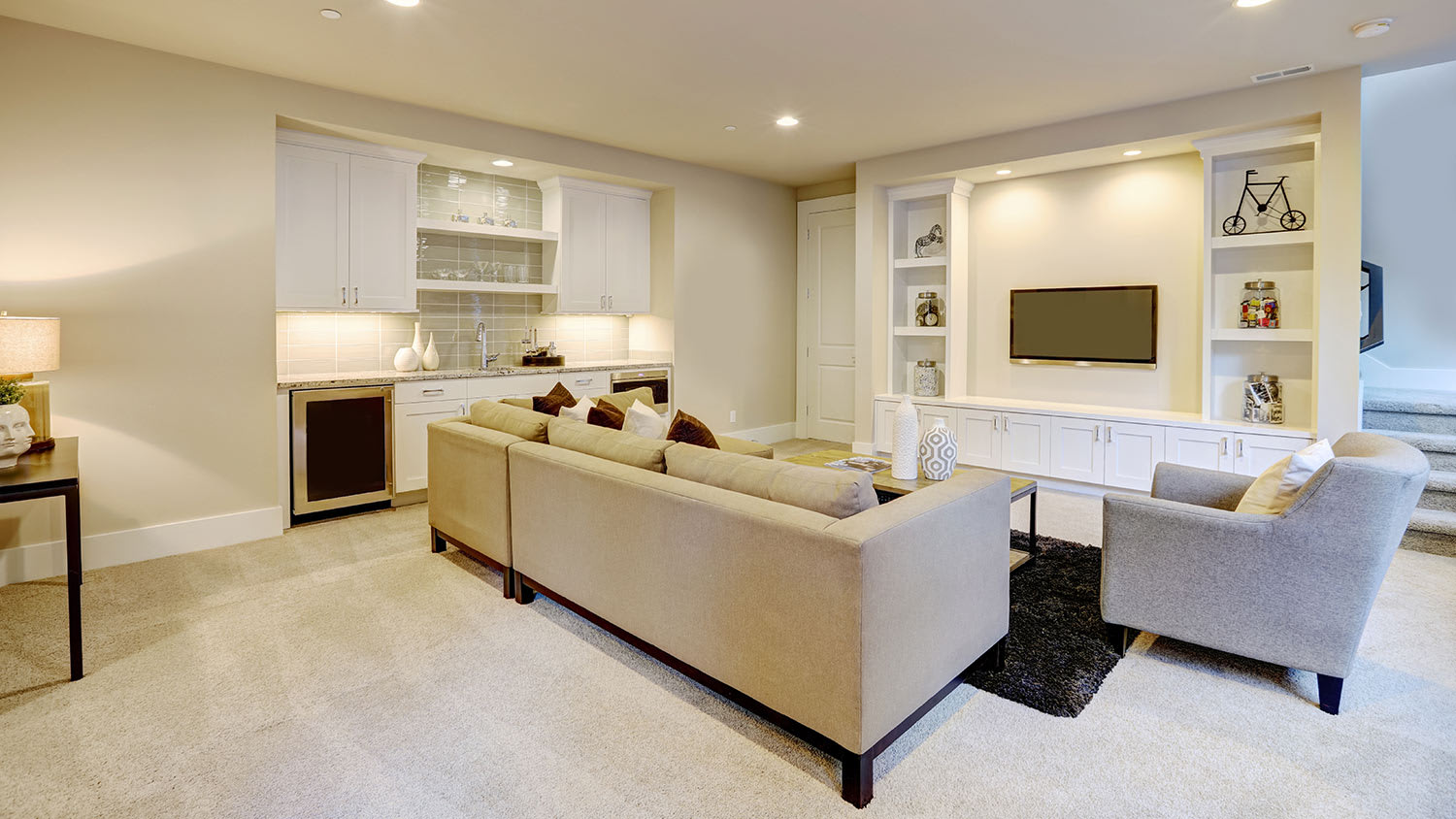
Roughing in and connecting utilities are the hardest parts of finishing a basement, and they’re the parts we typically don’t recommend doing as a DIY project. Unfortunately, your finishing timeline can be extended by weeks while you wait for contractors and inspectors to install electrical wiring, plumbing lines, and heating/cooling equipment and carry out inspections.
You technically can paint wires in a basement ceiling, but there are several important safety and code considerations. It's safe to paint non-metallic sheathed cable as long as the labeling remains visible. You can also paint low-voltage wires and conduit and junction boxes to help them blend into your basement.
However, you should not paint damaged or deteriorated wiring is a fire hazard because it poses a fire hazard. The same goes for painting over high-heat wires that connect to heat-generating appliances or systems. Be sure to avoid painting multiple coats onto any wires, as that traps heat and poses fire risks.
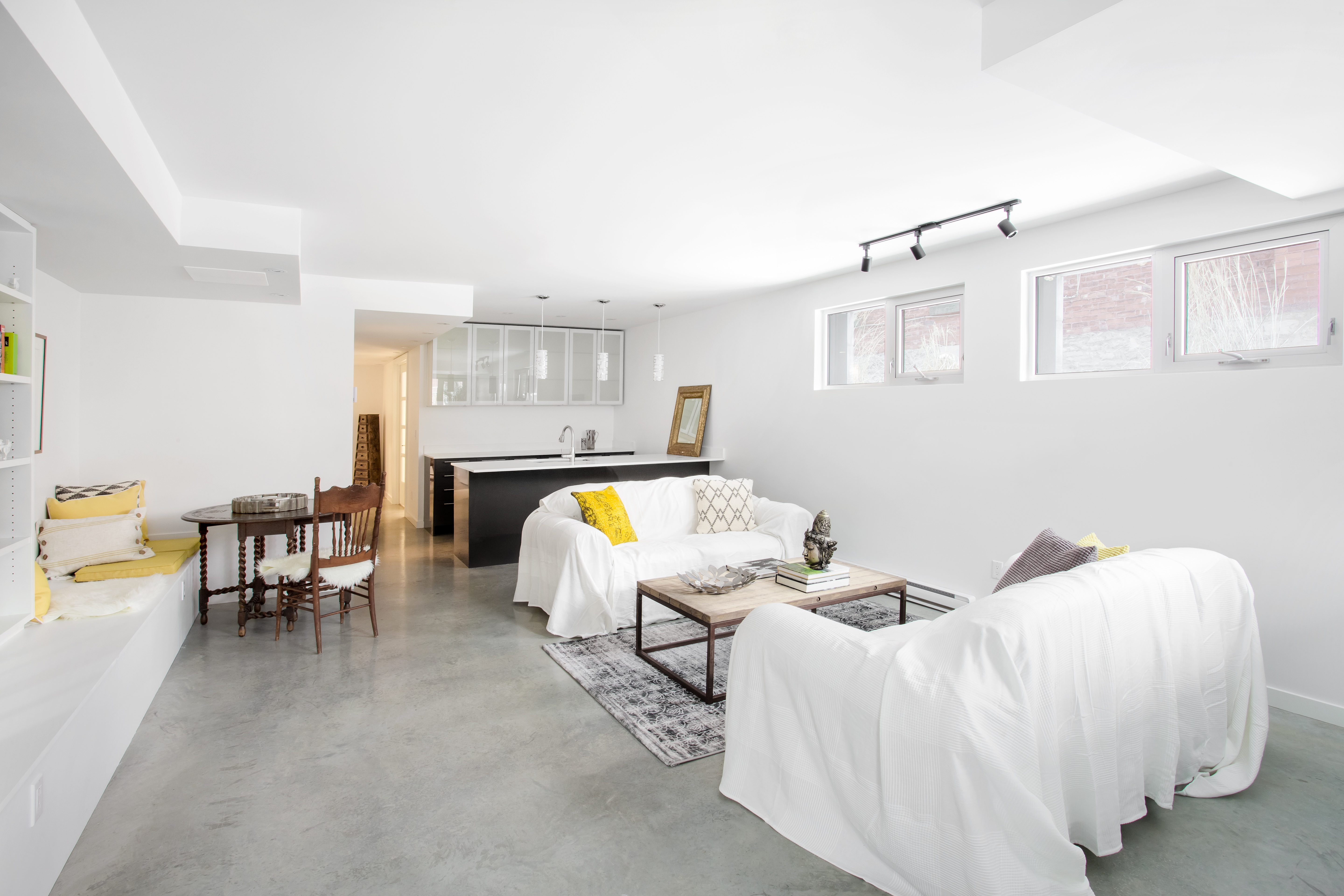
A finished basement must have a heat and electrical supply with an entrance that meets building code requirements, such as a stairwell to the home's main living space. It often must include finished walls, ceilings, and floors. If the finished basement includes a bedroom, it should have a heat source, an egress window, and a closet.
Remodeling, as opposed to finishing, means altering an already finished basement by adding a bathroom, bedroom, or living area.
You should plan on waiting at least a year and ideally two to three years after construction before finishing your basement. This will give the foundation time to settle in response to the weight of your home and the expansion of the surrounding soil. You can then repair your foundation and seal any cracks as needed before finishing it to reduce your risk of future leaks or other issues.
Building up by adding square footage to the top of your home is often less expensive than adding a basement, but it depends on the specifics of your house, your property, and supply costs. Because building a basement requires excavation, it can be a more expensive option than building up.
The Enfield, ME homeowners’ guide to basement remodels
From average costs to expert advice, get all the answers you need to get your job done.
If your basement ceiling is low, there are ways to raise it. Learn more about the cost to raise a basement ceiling to be able to enjoy your basement and create a more usable space in your home.