





Top-rated structural engineers.

Get matched with top structural engineers in Dayton, ME

Enter your zip and get matched with up to 5 pros

Need a pro for your structural engineering project in Dayton, ME?

Select your specific project to find the pro for you.

Find Structural engineers in Dayton

Avatar for Solid Framing Engineering, LLC
Solid Framing Engineering, LLC
5.0(
7
)

Serving Dayton, ME and surrounding areas

Approved

Super Service Award Winner

In business since 2024

Free estimates

Small jobs welcome

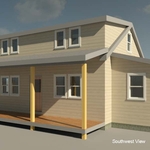
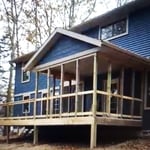
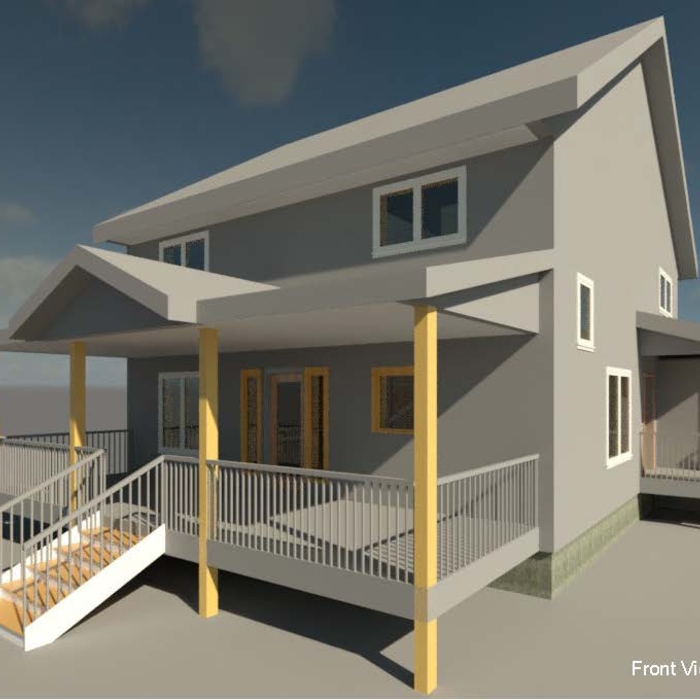
"Jacob Schott of Solid Framing Engineering was/is phenomenal is his support as a structural engineer. Mr. Schott listened, and heard, what the requirements were. He proposed acceptable, structurally engineered solutions in a timely, professional and thorough manner. We hired Jacob Schott of Solid Framing Engineering to aid in ensuring that residential new build actions would adhere to structural safety & longevity standards. Our requirements consisted of a rather large deck, a bridge (12?x29?) with a cover/portico section and exaggerated soffits. All these requirements were in Mid-coast Maine where significant winds, attacking from various directions, are prevalent and cause for multi-axis planning to control potential environmental considerations. Mr. Schott continued to provide engineering advice/direction after the sub contractor failed to adhere to specifications and induced the need for modified engineering solutions?even after having concluded the initial scope of work."
Response time1 day
9 neighbors recently requested a quote

Structural Engineering questions, answered by experts

The 10 10 rule describes the formula most contractors use to determine how much to charge for a job. Allowing for 10% overhead above the total projected cost to do the work and 10% profit sets a contractor up for success, even if there are delays or other problems on the project. This formula isn’t a hard-and-fast rule, but it is a ballpark figure to begin with when estimating your expenses on a job.

Yes, unresolved damage can decrease property integrity and market value.

Many horizontal cracks in home foundations result from water and soil pressure from outside of the building or from a footing that is shifting. Under those circumstances, horizontal cracks are a structural problem that requires repair before they become worse and more difficult to fix. However, in very specific cases, thin horizontal cracks may simply be a cosmetic blemish due to concrete shrinkage.
Failure to compact the soil during construction is the most common cause of leaning retaining walls. In addition, poor drainage can lead to excessive water pressure behind a retaining wall, pushing against it until it begins to move forward away from the soil it is holding back.

In framing, studs are placed at 16-inch intervals to coincide with the typical spacing of wall materials such as drywall or plywood. This spacing is called "on-center" and is necessary for maintaining structural stability and efficient use of materials. The 16-inch spacing also helps to distribute the weight evenly across the building's structure. For those looking to cut material costs and improve energy efficiency, 24-inch stud spacing can be employed through a method called "advanced framing". This requires careful planning and adherence to local building codes to ensure structural integrity.

The Dayton, ME homeowners’ guide to structural engineering services

From average costs to expert advice, get all the answers you need to get your job done.

What do you need done? We’ll find top pros.
  • 🌱 "Mow a small front yard"
  • 🛠 "Fix a leaking pipe under the sink"
  • 🏠 "Repair shingles on an asphalt roof"