





Top-rated deck cleaning pros.

Best deck cleaning pros near Bryant Pond, ME

Enter your zip and get matched with up to 5 pros

Need a pro for your deck cleaning project in Bryant Pond, ME?

Select your specific project to find the pro for you.

Top-Rated Deck cleaning pros in Bryant Pond - Updated Nov 2026

Avatar for Aqua Terra Blasting
Aqua Terra Blasting
5.0(
7
)
Deck, Fence, Patio or Porch - Clean and SealDeck, Fence, Patio or Porch - Clean and Seal - For Business

Serving Bryant Pond, ME and surrounding areas

In business since 2017

Free estimates

Emergency services offered

"Great! We were not sure that this technique was the right solution for our business so we needed to try cleaning a single mold first and test it before having the remaining molds cleaned. Andy was very accommodating in this process and made multiple trips to finish the job. He also worked with us to find the best media since surface finish was very important. We will absolutely us Aqua Terra Vapor Blasting again when needed."
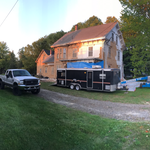
Additional Photos
Additional Photos
Additional Photos
Additional Photos
Additional Photos

+14

Recommended by100%of homeowners
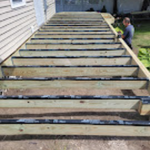
fullservice construction
4.0(
3
)
Deck, Fence, Patio or Porch - Clean and Seal

Serving Bryant Pond, ME and surrounding areas

In business since 1980

"We recently had a deck built by Full Service Construction/Reilly Builders. From beginning to end, working with Rick Reilly and Dana Frank was a great experience. They did a great job with their estimate, giving us several options which was very helpful to us. Their quality of work, friendliness and willingness to make minor changes trusted the process was OUTSTANDING. I have plans to use them in the future and would HIGHLY recommend them to anyone. They are people trying to make a living and doing so with out tucking it to the consumer they offer a fair price and quality work. Thank You Dave & Linda"
Recommended by66%of homeowners
Showing 1-10 of 26
Deck Cleaning FAQs, answered by experts

In many areas, a floating deck that isn’t connected to your home and stays under 200 square feet and below 30 inches in height may not need a permit. These freestanding structures are often considered low-risk, which can simplify the building process. However, building codes vary greatly based on location. Before investing in any home improvement project, check with your local permitting office for deck-building guidelines.

You can add a roof to most decks, but you need to have it inspected first. If your deck didn’t come with a roof initially, it may not be able to handle the weight without some structural changes. You can add additional supports to your existing deck to safely add a roof, and tying your deck’s roof to an exterior wall can help add some structural stability, but remember these aren’t DIY projects and need to be left to a pro. 

Applying too much sealer to a deck might seem like extra protection, but it can cause more harm than good. Wood is a porous material with a limited capacity to absorb liquids. When you go overboard with sealer, the excess can't soak in and instead forms a film on the surface. This leftover layer is prone to peeling, cracking, and trapping moisture, ultimately defeating the purpose of sealing in the first place. 

Ideally, a gate should be able to swing both in and out. However, if it can only open in one direction, it is generally best for it to swing inward. This is often the safest option, especially for deck gates near steps, as you'll want the gate to swing away from the stairs. An inward swing also prevents the gate from opening into a public space, like a sidewalk, and can be more convenient when carrying heavy items like a wheelbarrow into a garden.

There are exceptions, however. The layout of your property may require a different approach. For example, if your property is on a slope, the gate may not be able to swing inward. You should also ensure the gate can open fully without colliding with any objects or blocking access to other areas. For a backyard garden gate where public access isn't a concern, the direction it swings is largely a matter of personal preference. Finally, always check your local building codes, as they may have specific requirements for which way a gate must swing.

Yes, Ipe is more expensive than Trex decking—both in terms of materials and installation (plus, Ipe trees are endangered). On average, Ipe decking costs $10 to $25 per square foot, while Trex decking costs $5 to $12 per square foot. Because Ipe is harder to work with, the price of installation is higher, too. For Ipe decking, you’ll pay between $20 and $45 per square foot for labor. However, with Trex decking, the labor costs range from $8 to $22 per square foot.

The Bryant Pond, ME homeowners’ guide to deck cleaning services

From average costs to expert advice, get all the answers you need to get your job done.