






Top-rated lead testing and removal specialists.

Get matched with top lead testing and removal specialists in Whiteford, MD

Enter your zip and get matched with up to 5 pros

Need a pro for your lead testing and removal project in Whiteford, MD?

Select your specific project to find the pro for you.

Find Lead testing and removal specialists in Whiteford

Avatar for Reliable Lead Inspection Services
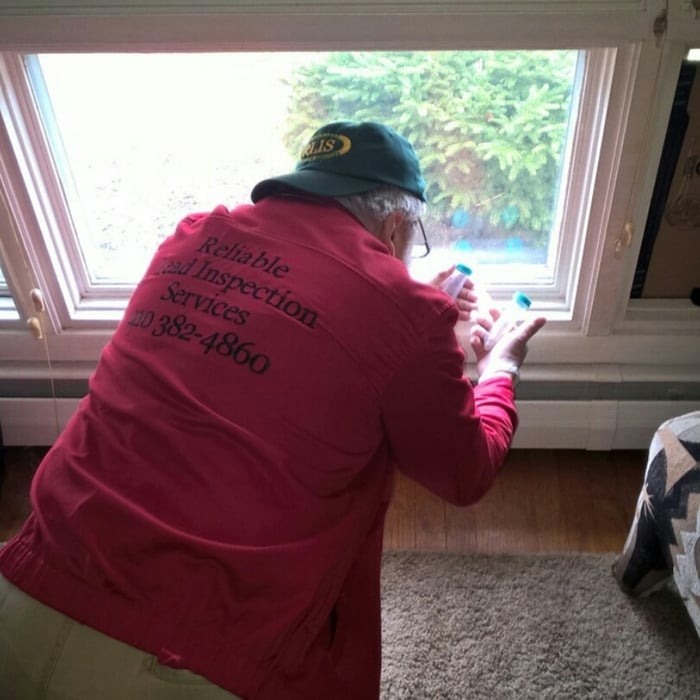
Reliable Lead Inspection Services
5.0(
41
)

Serving Whiteford, MD and surrounding areas

Approved

In business since 2012

Free estimates

Emergency services offered

"Norman is an upstanding business owner with integrity. He's also friendly, knowledgeable, and a clear communicator. He sent all of his credential ahead of time, arrived 5 minutes early, and explained his process and everything he was doing. When there was a minor misunderstanding, he offered a compromise on price just to make sure we were fully satisfied. A real gentleman. I would 100% recommend Norman to anyone in need to lead testing services!"
Additional Photos
Additional Photos
Additional Photos
Additional Photos
Additional Photos

+8

Response time8 hrs
6 neighbors recently requested a quote
Recommended by95%of homeowners
Avatar for Green Environmental LLC
Green Environmental LLC
5.0(
9
)

Serving Whiteford, MD and surrounding areas

In business since 2013

Free estimates

Emergency services offered

"Rodney is great. Very responsive, reasonably priced, and sends reports very quickly. He does all my lead paint inspections for all my rental properties. I've worked with several lead inspectors and won't use anyone else. Highly recommended."
Recommended by100%of homeowners
Avatar for Home Free Lead Inspections
Home Free Lead Inspections
5.0(
4
)

Serving Whiteford, MD and surrounding areas

In business since 2010

Free estimates

Credit card accepted

"Home Free Lead always schedules appointments shows up on time and is professional every step of the way. They are incredibly thorough, professional and accurate from setting appointments to billing and reporting."
Additional Photos
Recommended by100%of homeowners

Avatar for Flood Crew LLC
Flood Crew LLC
4.6(
40
)

Serving Whiteford, MD and surrounding areas

In business since 2008

Free estimates

Emergency services offered

"Bill and his team did an excellent job in handling the remediation for water that got into my home. Would highly recommend them given their promptness and general assistance in getting this situation under control."
After carpets were cleaned.
Before and after of Medallion
After color sealed
Apartment carpet cleaning
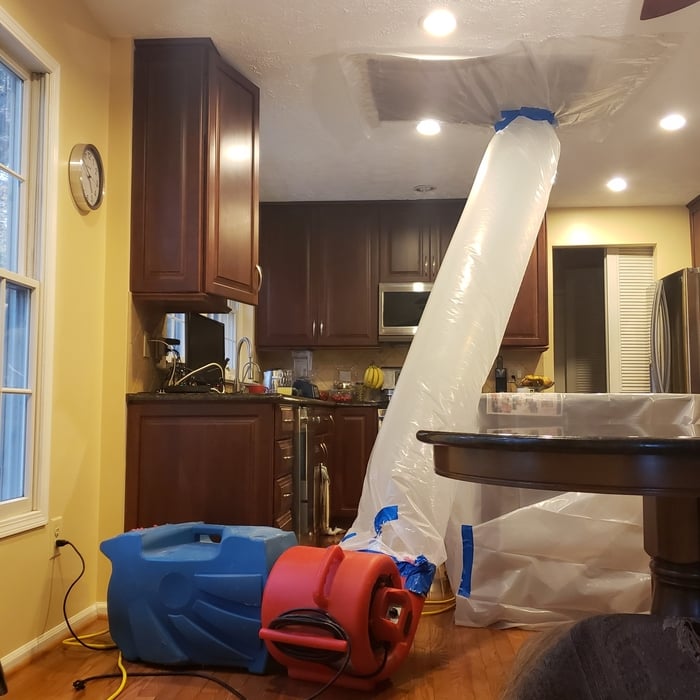
Drying bathroom wood subfloor from kitchen using indirect control heat, controlled by thermostat we set in place

+57

Recommended by88%of homeowners

Showing 1-10 of 28
Lead Testing and Removal questions, answered by experts

A lead paint inspection is a thorough examination and assessment of a building or structure to determine the presence of lead-based paint. Lead-based paint was commonly used in buildings before 1978 when its health hazards were fully understood. Lead is toxic and can pose health risks, particularly to young children and pregnant women. Getting a lead paint inspection means finding a lead paint inspector to examine the surfaces of the building—such as walls, ceilings, doors, windows, and other painted areas—and identify the presence of lead-based paint.

You can paint over lead paint, or “encapsulate” it with a special paint that includes an ingredient called an encapsulant. The EPA approves encapsulation as a lead paint removal method as long as the paint remains undisturbed. Standard types of paint without an “encapsulant” from the big box stores or hardware stores do not meet EPA standards for remediation of lead-based paint.

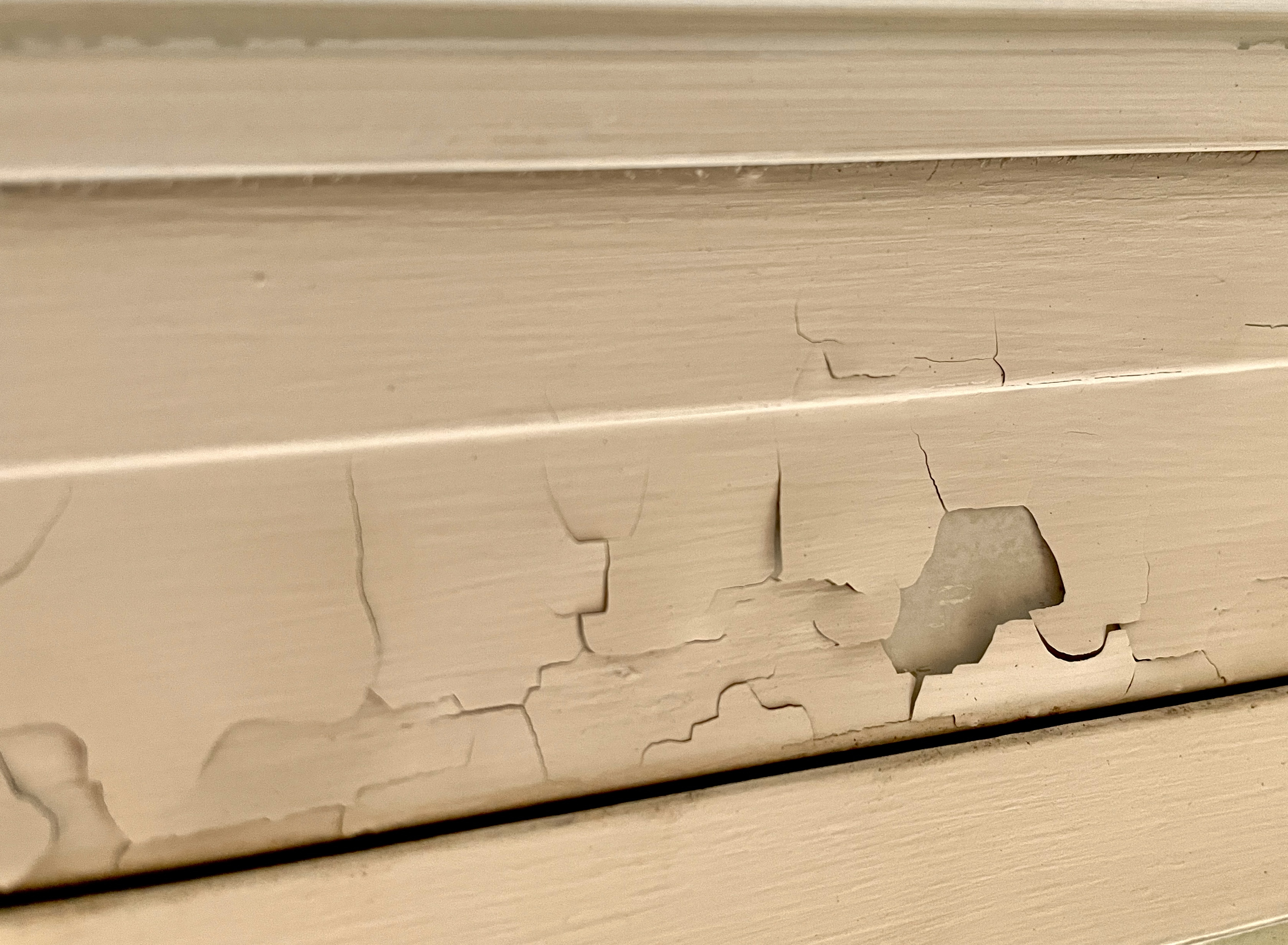
Lead toxicity comes from inhaling lead or consuming it. Before the 1980s, when the government banned lead from consumer use, it could be found in paint, plumbing, pipes, ceramics, and even gasoline. Lead paint is toxic for the same reason lead itself is toxic, which is why lead poisoning from paint presents the same as lead poisoning from water or food sources, with a slight increase in respiratory symptoms vs. digestive symptoms. Lead paint is most dangerous when it’s old and peeling, cracking, or otherwise disturbed. This increases the concentration in the air and, therefore, in breathable air. 

According to the Environmental Protection Agency (EPA), hazardous waste is generally classified into four main categories:

1. Characteristic Wastes: These exhibit at least one of four hazardous traits: ignitability (flammable, like gasoline), corrosivity (can rust or decompose materials, like car batteries), reactivity (unstable and can explode, like aerosol cans), or toxicity (harmful when ingested, like lead-based paint).

2. Listed Wastes: These are specific wastes from manufacturing and industrial processes that the EPA has officially designated as hazardous. They include byproducts from processes that use solvents, pesticides, and other chemicals.

3. Universal Wastes: These are commonly generated hazardous items that are subject to streamlined regulations. Examples include batteries, pesticides, mercury-containing equipment (e.g., bulbs), and some lamps.

4. Mixed Wastes: This category includes waste that contains both hazardous and radioactive components, making it subject to regulation by both the EPA and the Nuclear Regulatory Commission.

While not all homes built before 1978 contain lead paint, enough do, so you’ll still want to test to be on the safe side. The federal government banned lead-based paint for homes in 1978, but your state may have banned lead before that time. Around 24% of homes built between 1960 and 1977 contained lead-based paint, while 87% of homes built before 1940 contained lead-based paint.

The Whiteford, MD homeowners’ guide to lead testing and removal services

From average costs to expert advice, get all the answers you need to get your job done.