


Top-rated lead testing and removal specialists.

Get matched with top lead testing and removal specialists in Jefferson, MD

Enter your zip and get matched with up to 5 pros

Need a pro for your lead testing and removal project in Jefferson, MD?

Select your specific project to find the pro for you.

Find Lead testing and removal specialists in Jefferson

Avatar for Mid Atlantic
Mid Atlantic
4.9(
18
)

Serving Jefferson, MD and surrounding areas

In business since 1985

Free estimates

Emergency services offered

"Inspector responded promptly to my service request. Came on time and was very descriptive while addressing our concerns. He even provided some information on seperate home items that were not part of the service we requested. Also, very respectful of our property. (He actually took his shoes off because we had new carpet.) WIll use again. Thank you!"
Crawl Space
Crawl Space
Crawl Space
Crawl Space
Recommended by100%of homeowners
Avatar for Stanley S. Savoy
Stanley S. Savoy
5.0(
5
)

Serving Jefferson, MD and surrounding areas

In business since 2011

Free estimates

Credit card accepted

"Staley was great ! Very professional -- gave a good description of the lead testing process and did his job thoroughly and quickly. I felt his fee was very reasonable in comaparison to other companies/individuals I had spoken to about the service. I would definitely recommend hsi services !"
Response time8 hrs
Recommended by100%of homeowners
Division One Lead Inspector, LLC
5.0(
1
)

Serving Jefferson, MD and surrounding areas

In business since 2019

Free estimates

Division One Lead Inspector, LLC, is the premier professional lead testing company offering residential services to our clients in the Baltimore Metro area. We are known to pay exquisite attention to detail while making your satisfaction our number one priority. Please call today to schedule your appointment with Maryland's true professional at work for you!

Response time1 day
Recommended by100%of homeowners
Showing 1-10 of 14
Lead Testing and Removal questions, answered by experts

Structural problems with the foundation or roof, water damage, and significant plumbing or electrical issues are all considered major red flags in a home inspection. Of these, a structural problem related to the foundation is often the most severe. Foundation repairs are typically the most expensive and intrusive to carry out, averaging around $5,000 but sometimes reaching up to $16,000. Because these problems can pose safety risks and be costly to fix, you should ask your inspector detailed questions about any identified issues. You will need to carefully consider how major problems affect what you’re willing to pay for the home, or if you want to proceed with the sale at all.

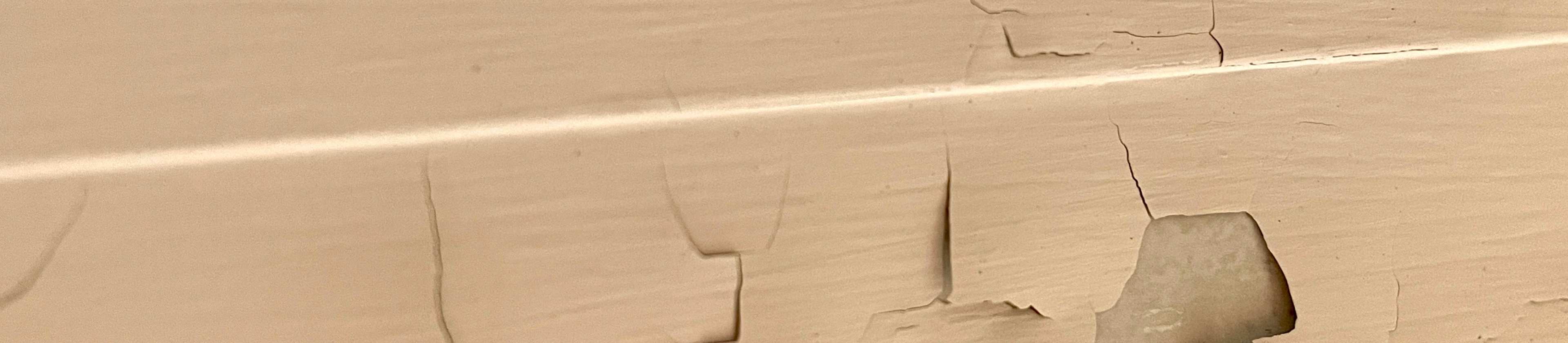
You can paint over lead paint, or “encapsulate” it with a special paint that includes an ingredient called an encapsulant. The EPA approves encapsulation as a lead paint removal method as long as the paint remains undisturbed. Standard types of paint without an “encapsulant” from the big box stores or hardware stores do not meet EPA standards for remediation of lead-based paint.

Iron sediments from rusty pipes are not likely to cause health problems. While a glass of yellow-hued water is off-putting, it is generally safe to drink yellow water in the short term. But you certainly want to address this problem. In the meantime, switching to bottled water until the yellow water issue is resolved is a good idea. 

No, a standard home inspection includes the basics and does not offer lead paint testing. Professional lead paint inspectors need specific licenses to perform these inspections, which not all home inspectors have. If you suspect lead paint in the home you are about to purchase, you will need to pay separately to have that done. If the findings come back positive, you may be able to negotiate with the buyer to cover the cost of the removal.

According to the Environmental Protection Agency (EPA), hazardous waste is generally classified into four main categories:

1. Characteristic Wastes: These exhibit at least one of four hazardous traits: ignitability (flammable, like gasoline), corrosivity (can rust or decompose materials, like car batteries), reactivity (unstable and can explode, like aerosol cans), or toxicity (harmful when ingested, like lead-based paint).

2. Listed Wastes: These are specific wastes from manufacturing and industrial processes that the EPA has officially designated as hazardous. They include byproducts from processes that use solvents, pesticides, and other chemicals.

3. Universal Wastes: These are commonly generated hazardous items that are subject to streamlined regulations. Examples include batteries, pesticides, mercury-containing equipment (e.g., bulbs), and some lamps.

4. Mixed Wastes: This category includes waste that contains both hazardous and radioactive components, making it subject to regulation by both the EPA and the Nuclear Regulatory Commission.

The Jefferson, MD homeowners’ guide to lead testing and removal services

From average costs to expert advice, get all the answers you need to get your job done.