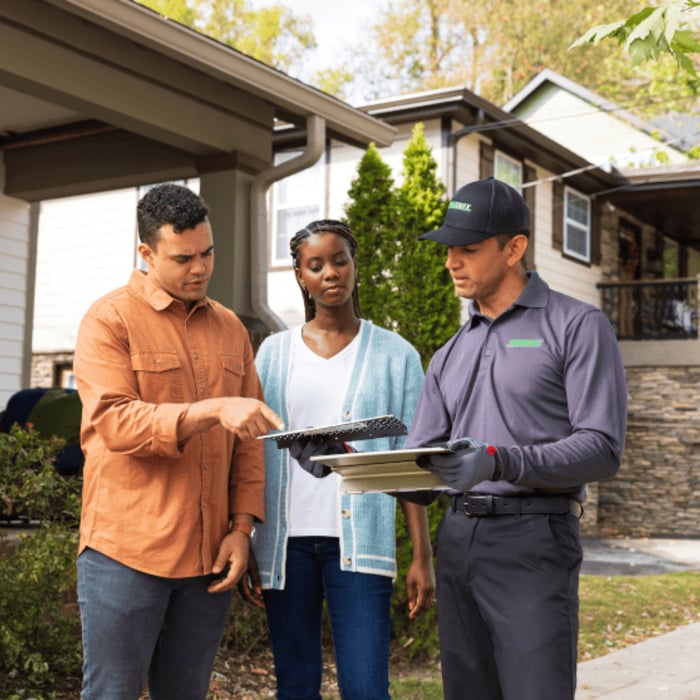
Critter Control provides solutions for all your nusiance animal and wildlife control needs along with exclusion services. We have a long history of providing customers with quality services, coupled with a high standard of professionalism. Critter Control is fully insured and licensed with regulatory agencies and state and local authorities. Leading pest control companies, university, county and state agencies routinely recommend our services. \n
"John preformed a home inspection for us, he was very knowledgeable and professional with his services. If there was a need for future pest control, we would definitely use his company again!"
Gaynor Services is committed to excellence in every aspect of our business. We uphold a standard of integrity bound by fairness, honesty and personal responsibility. Our distinction is the quality of service we bring to our customers. Accurate knowledge of our trade combined with ability is what makes us true professionals. Above all, we are watchful of our customers interests, and make their concerns the basis of our business.
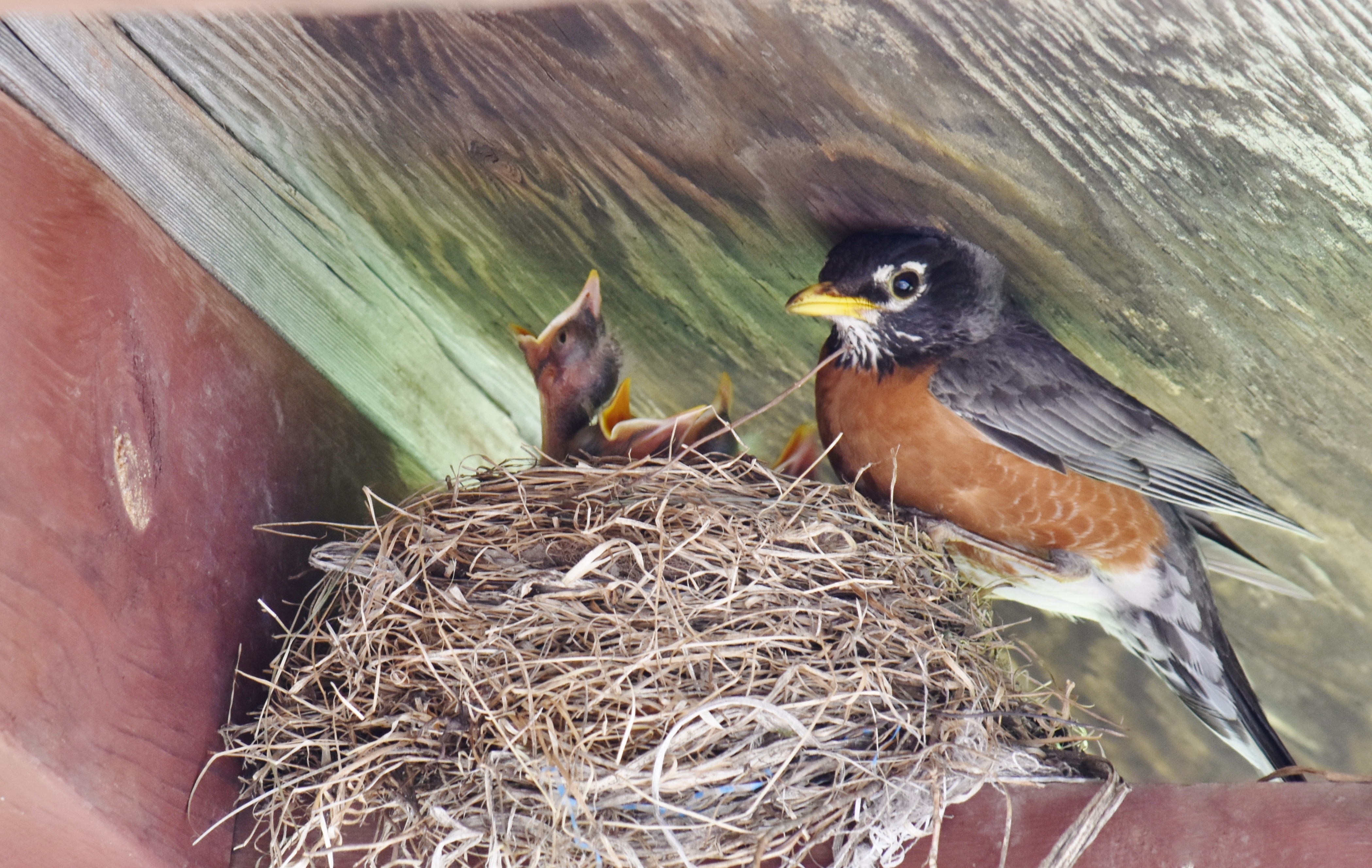
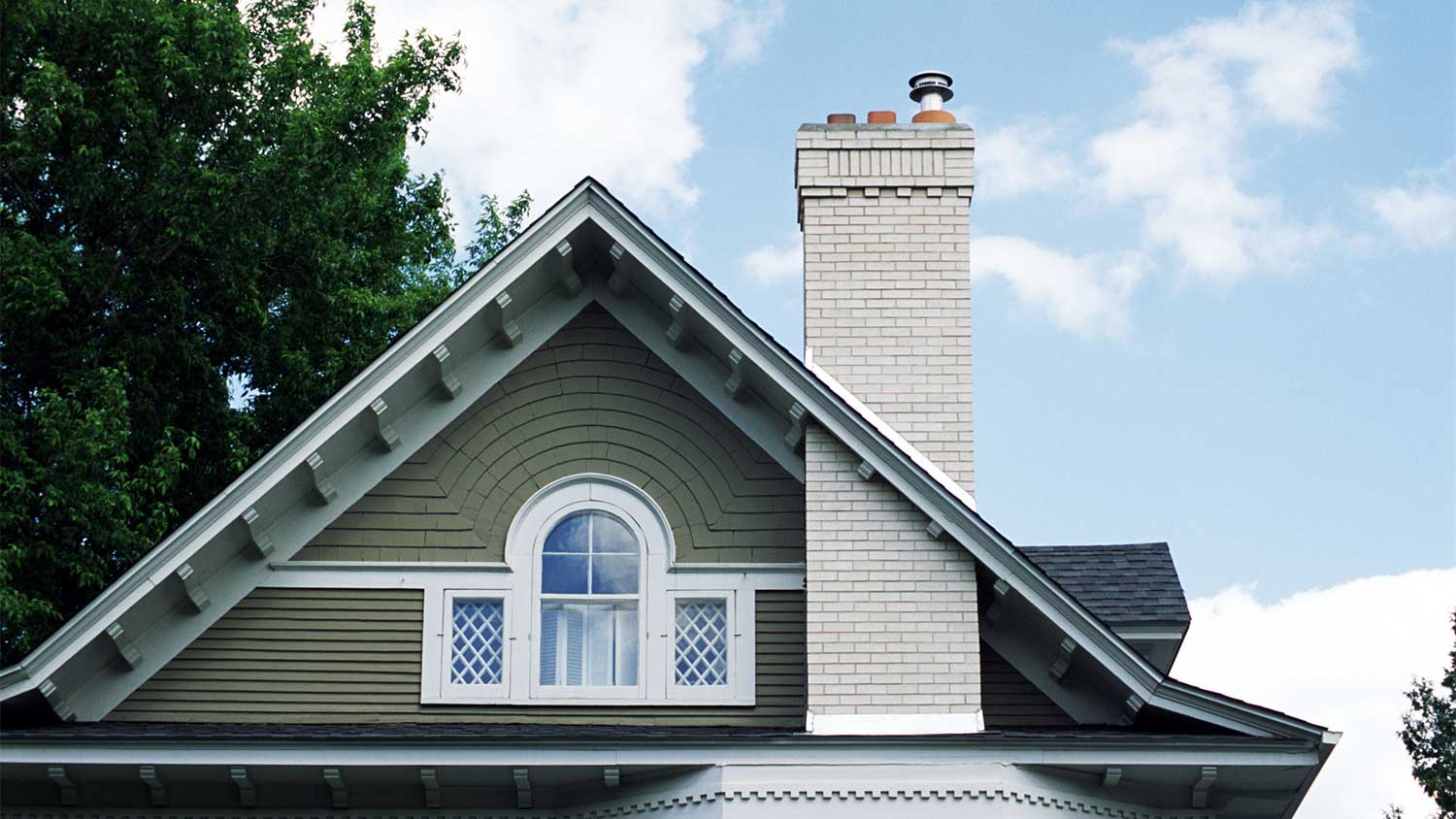
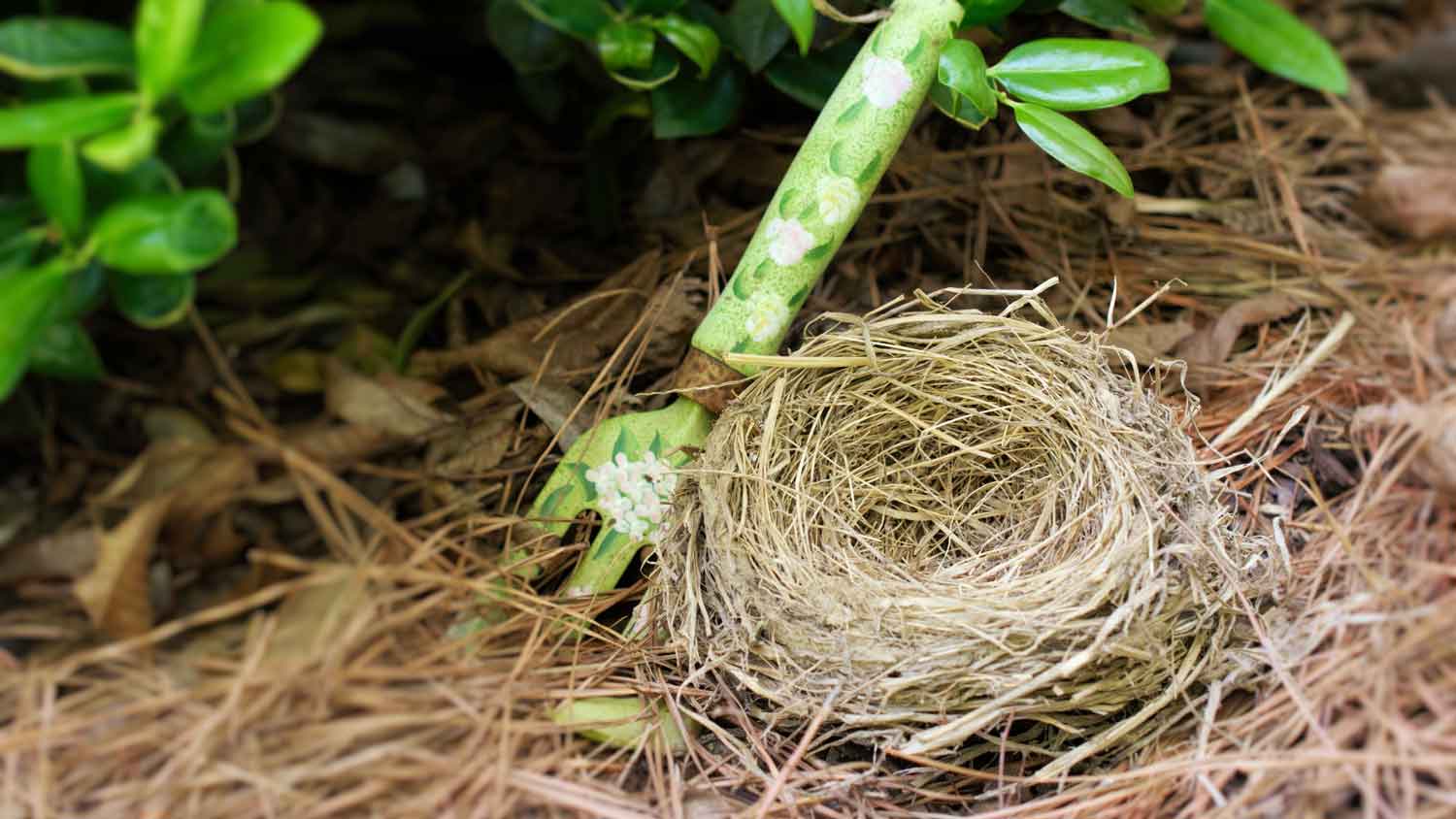
Metal coil-shaped retriever tools (around $50) help remove empty nests and debris from chimneys. Unless you are sure the nest is vacant, we recommend calling in a pro to handle bird’s nest removal from chimneys, vents, roofs, and other hard-to-reach places.
Signs include visible nests, droppings, frequent loud noises, or structural damage caused by these animals, indicating a need for pest control intervention.
Fake owls are a common goose deterrent decoy and one of the most humane ways to scare away geese. Unfortunately, some geese are wise to fake predators. Decoys can be more effective if you move them around frequently or purchase ones with motion features. Decoys that move in the wind are also more effective than stationary decoys.
Set live traps or install a one-way door to evict squirrels, rodents, and other animals from your attic. Once they’re out, seal any entry points to prevent the animals from returning. If you’re dealing with an infestation, call a pro.
Yes, it is generally safe to return to your house once the pest control professionals have granted permission. Keep in mind that you’ll only need to evacuate your home during extreme pest control treatments, such as whole-home fumigation, while more minor treatments don’t require leaving. When you return home, be sure to follow the pest pro’s instructions carefully, especially those surrounding wait times and safety precautions.
The Hagerstown, MD homeowners’ guide to bird control services
From average costs to expert advice, get all the answers you need to get your job done.
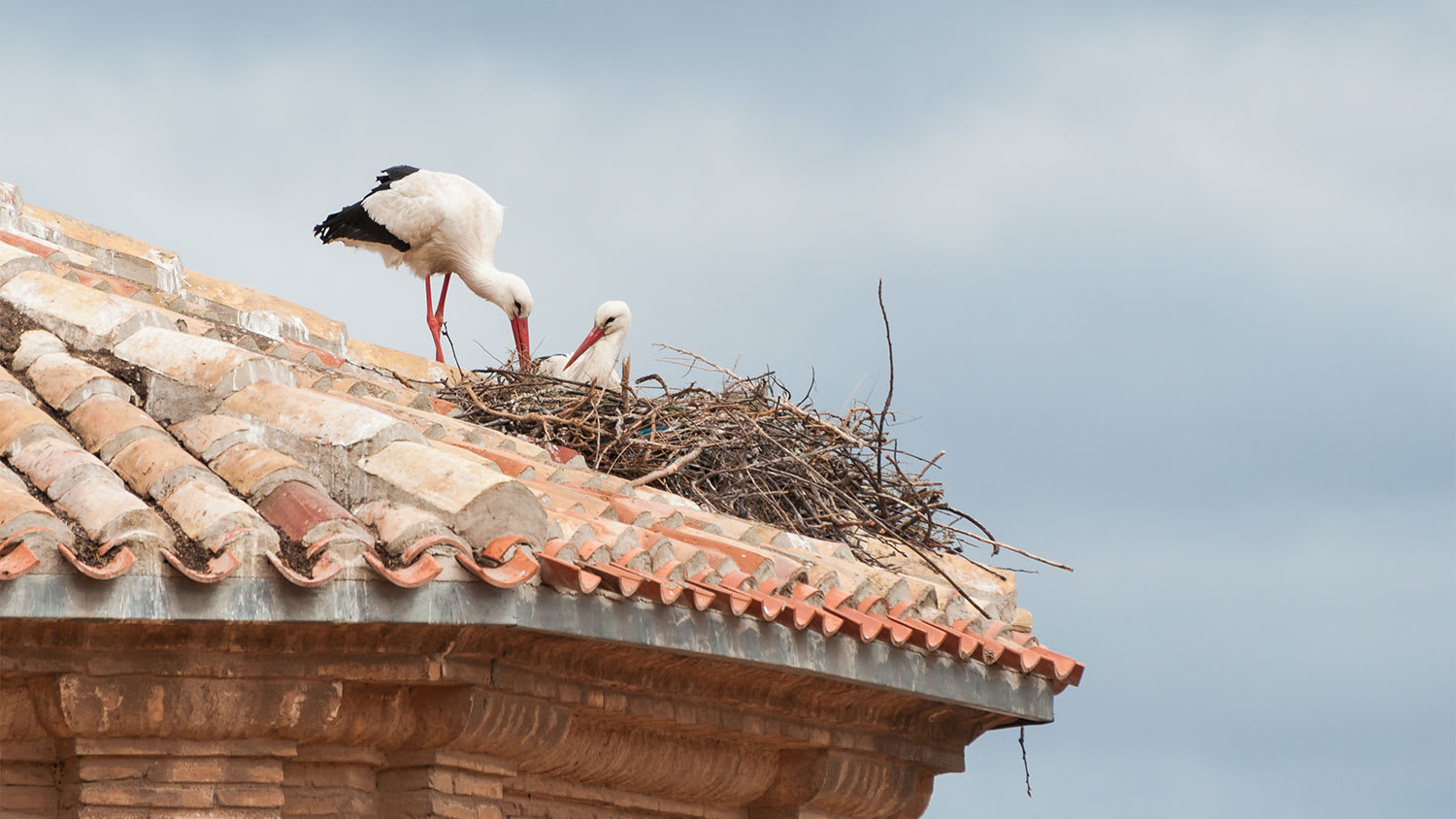
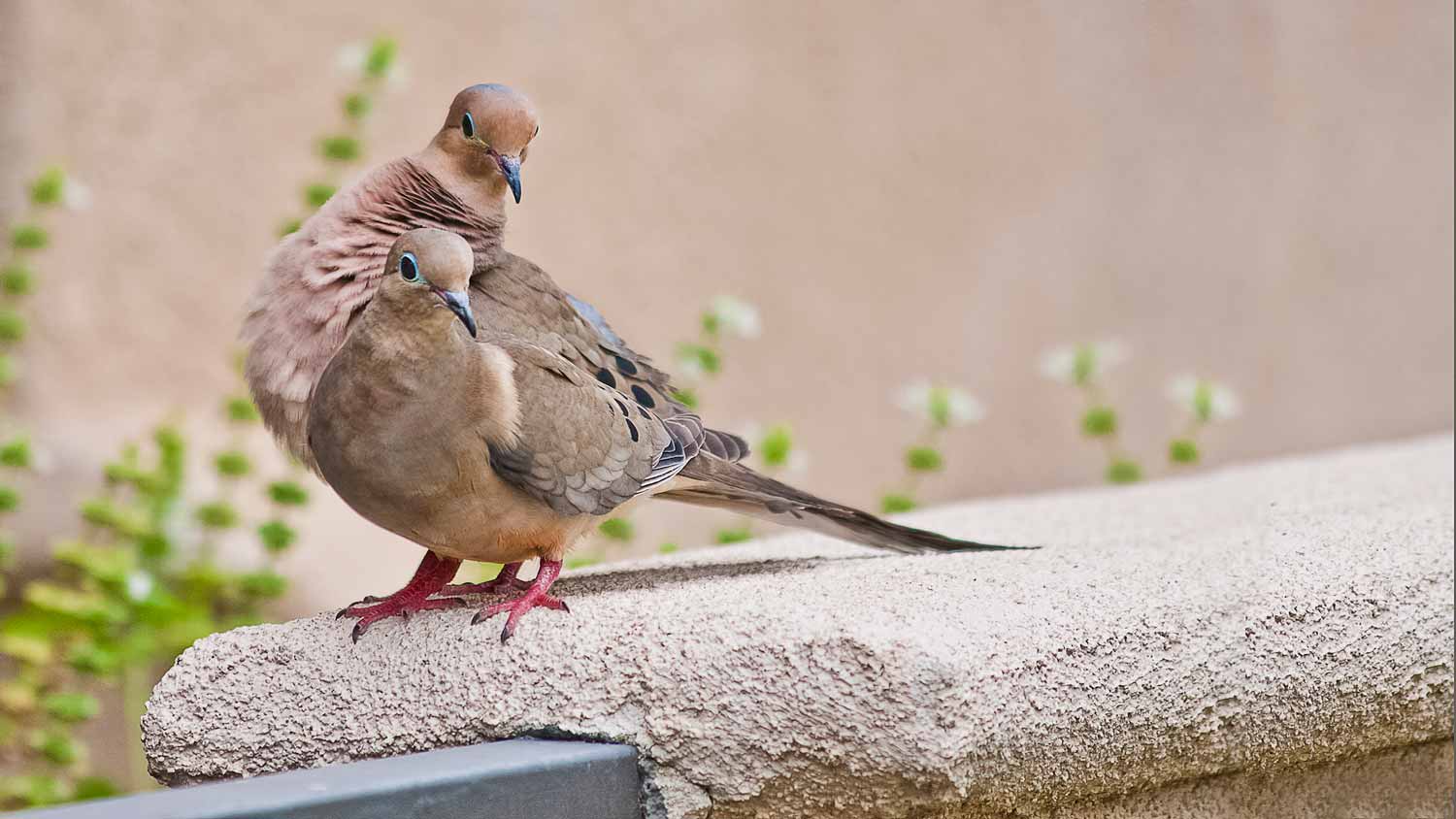
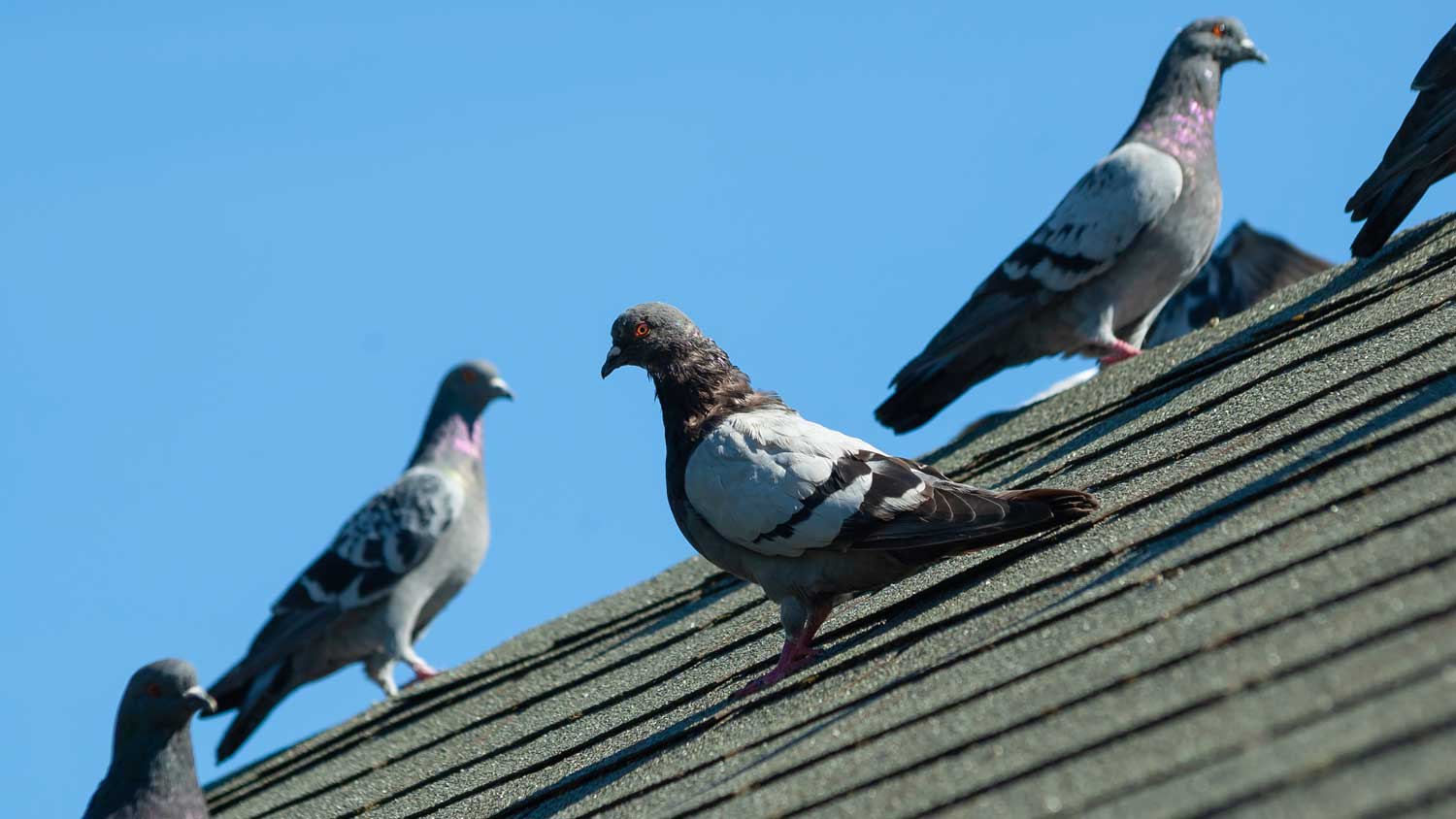
Sometimes birds nest in unwelcome places. Find out how much bird nest removal will cost based on factors like location, bird species, and preventative measures.