Critter Control provides solutions for all your nusiance animal and wildlife control needs along with exclusion services. We have a long history of providing customers with quality services, coupled with a high standard of professionalism. Critter Control is fully insured and licensed with regulatory agencies and state and local authorities. Leading pest control companies, university, county and state agencies routinely recommend our services. \n
Gaynor Services is committed to excellence in every aspect of our business. We uphold a standard of integrity bound by fairness, honesty and personal responsibility. Our distinction is the quality of service we bring to our customers. Accurate knowledge of our trade combined with ability is what makes us true professionals. Above all, we are watchful of our customers interests, and make their concerns the basis of our business.
Certain strong smells may help repel bats, though this is not a foolproof method and is best used in conjunction with other deterrence strategies. Scents like peppermint oil, eucalyptus, cinnamon, cloves, and mint are often suggested as natural remedies. To create a spray, you can mix two cups of warm water with half a cup of sugar and a few drops of your preferred essential oil. Apply this mixture using a spray bottle to possible entry points and throughout the affected area, such as an attic. While this home remedy is popular, evidence supporting its effectiveness is limited.
Chirping noises, droppings, scratches on the walls, and stains at entries and exits are all signs that you have bats in your house or, more specifically, your attic. Because bats are nocturnal, there’s a chance that bats have already infested your home before you start to see warning signs, so don’t delay if you notice anything. If you see a bat or two at sunrise or sunset near your property, that’s another telltale sign that they could be setting up shop inside your space.
They can have a deterrent effect on birds to some extent. The reflective surfaces of these objects, such as aluminum foil strips, CDs, or reflective tape, create flashes of light and movement that can startle or confuse birds temporarily. However, some birds can become accustomed to these visual disturbances over time and might adapt their behavior accordingly. For a more sustained solution, combining shiny objects with other deterrent methods shared here is often beneficial for creating a more comprehensive and effective strategy for bird control.
Pest control timelines depend on what services are being provided, size and type of infestation, and size of your home. Some inspections can take an hour or more, while preventative treatments only take 30 minutes to complete. Basic spaying for a problem like roaches or termites can take about an hour for small homes, but much longer for large properties and infestations. Consult your pest control pro for a time estimate based on your situation.
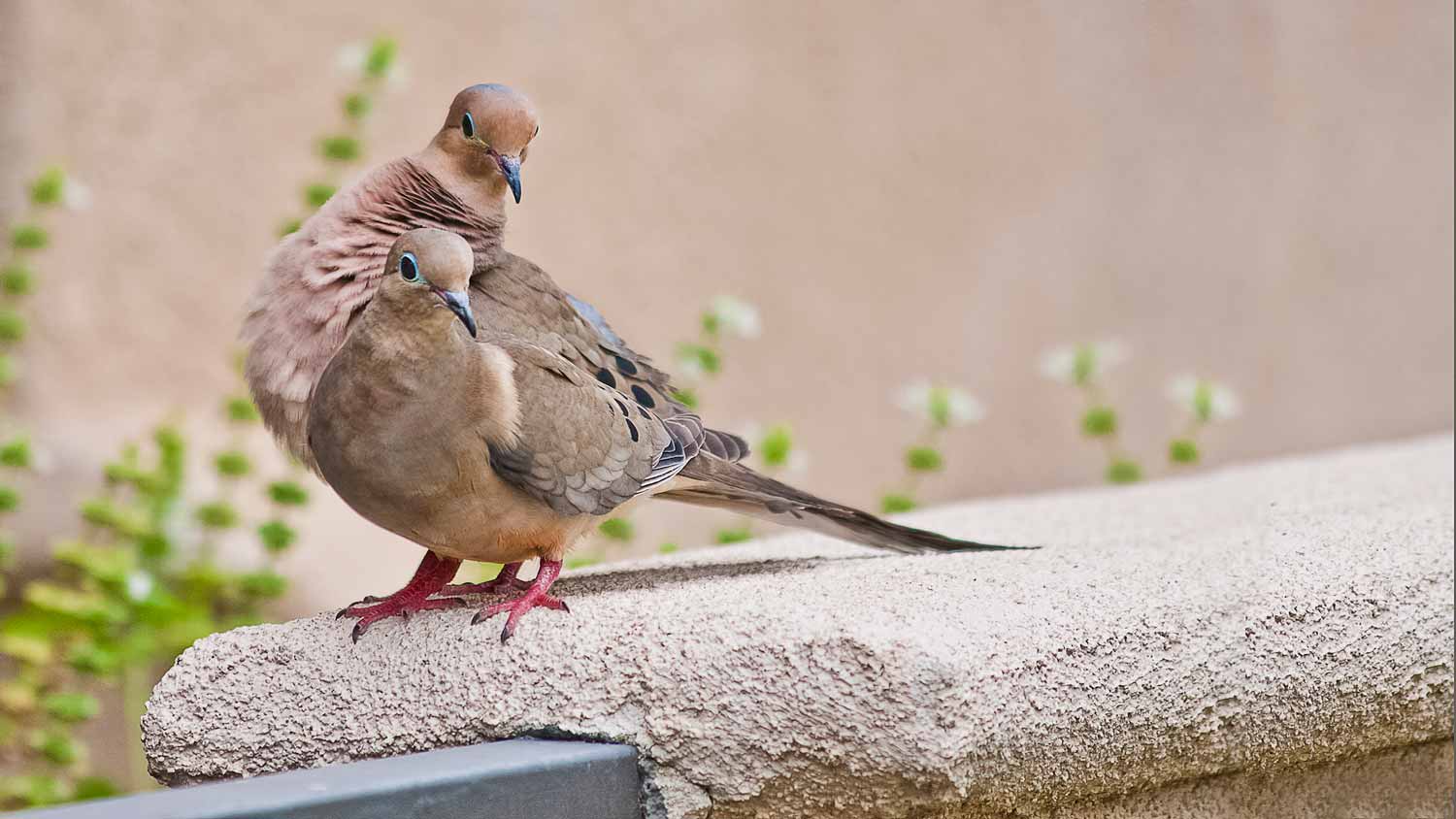
It's advisable to avoid using harmful methods to eliminate birds. Poisoning birds is inhumane and can have unintended ecological consequences, affecting other wildlife and pets. Similarly, using firearms or other lethal means poses safety risks and could be illegal in many areas. Sticky substances like adhesives can cause birds to become trapped and injured. Lastly, playing excessively loud or distressing noises can stress birds and humans. Focusing on humane and environmentally responsible strategies is essential when dealing with bird issues.
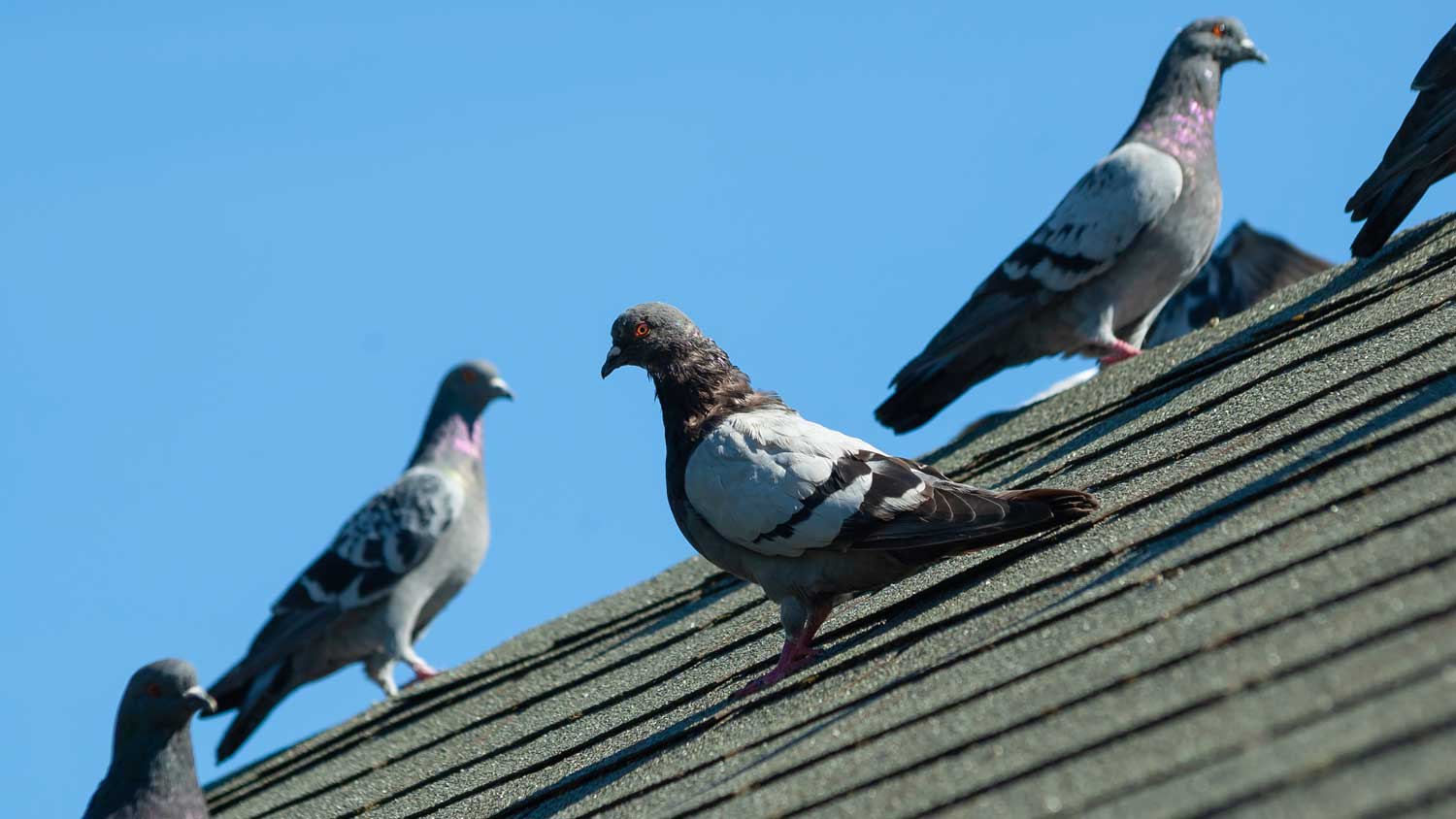
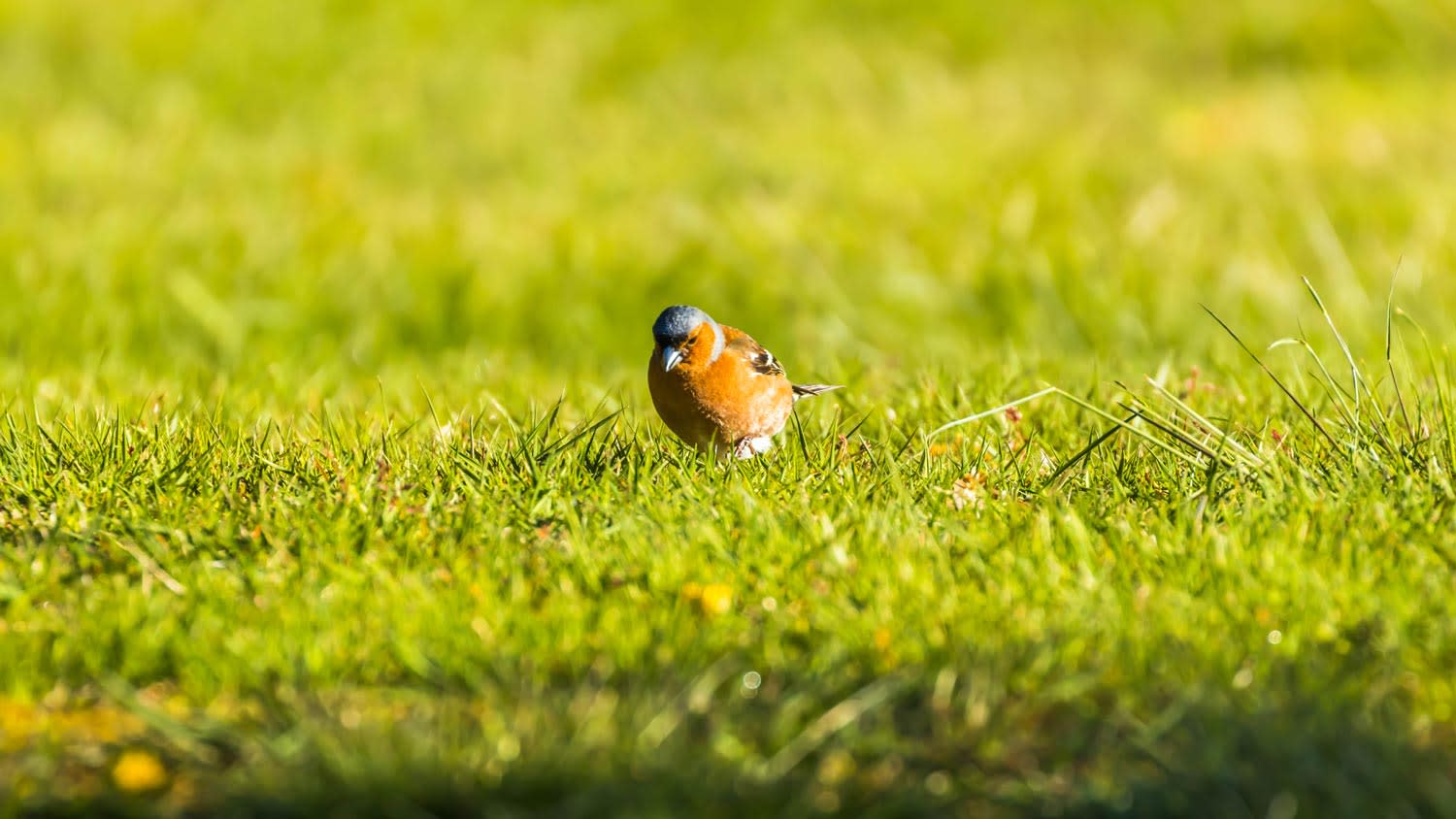
The Maugansville, MD homeowners’ guide to bird control services
From average costs to expert advice, get all the answers you need to get your job done.
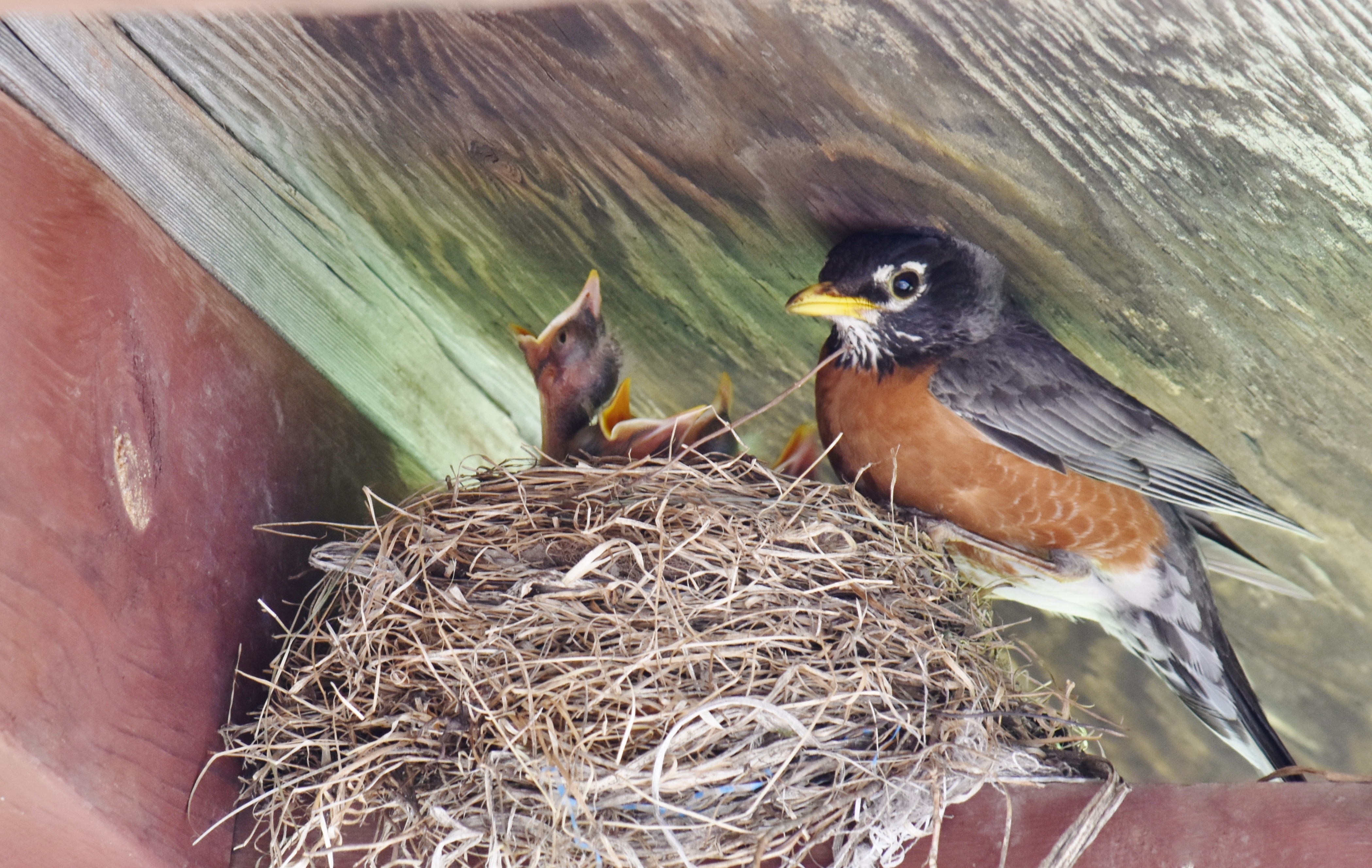
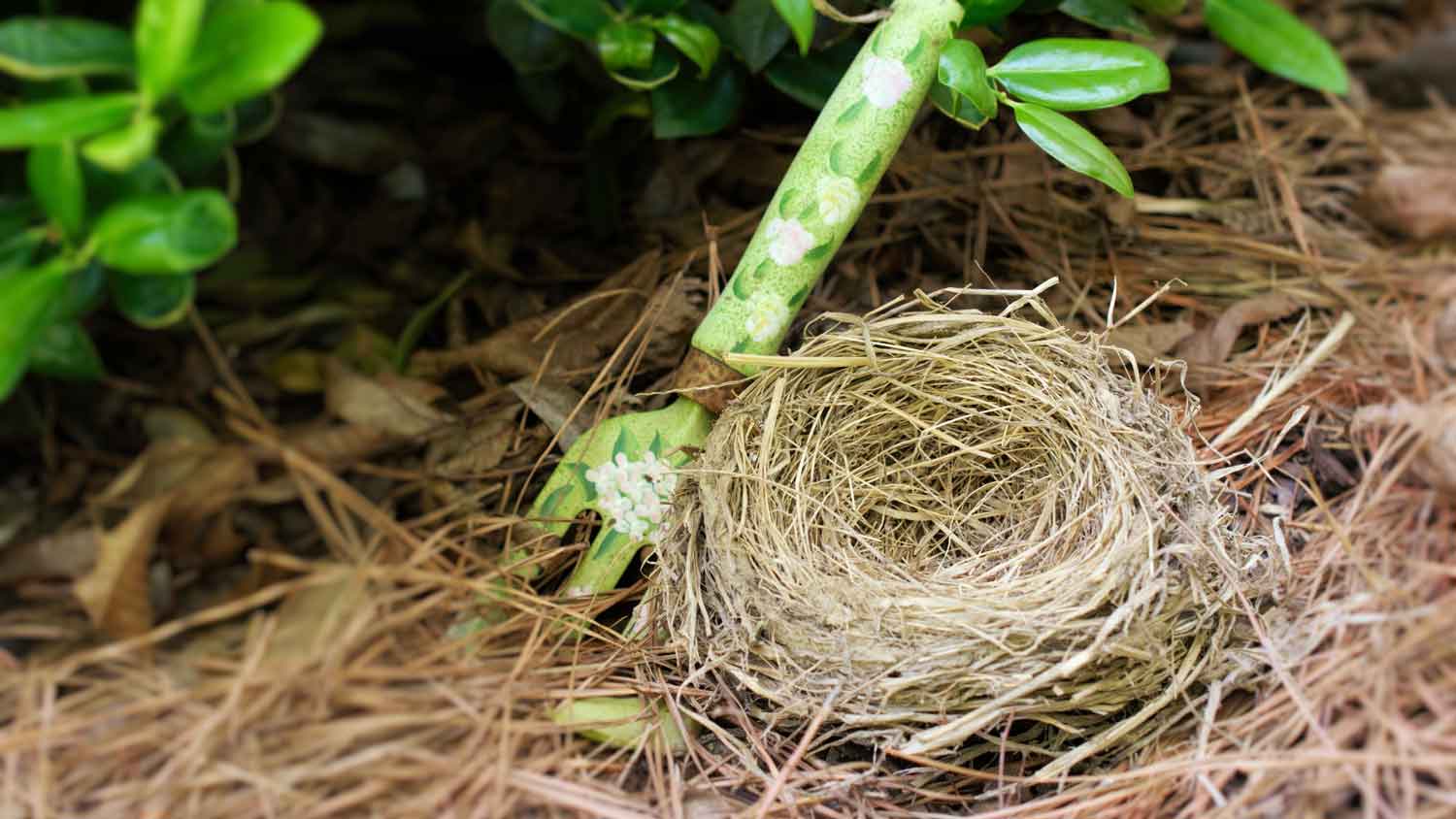
Sometimes birds nest in unwelcome places. Find out how much bird nest removal will cost based on factors like location, bird species, and preventative measures.