The most significant factor in tree removal costs is the amount of debris. Read on to learn more about the average tree debris removal costs in Washington, D.C.

 4.4
 372
*The Angi rating for Brush Chipping companies in Forestville, MD is a rating based on verified reviews from our community of homeowners who have used these pros to meet their Brush Chipping needs.
*The HomeAdvisor rating for Brush Chipping companies in Forestville, MD is a rating based on verified reviews from our community of homeowners who have used these pros to meet their Brush Chipping needs.
Last update on September 30, 2023
From average costs to expert advice, get all the answers you need to get your job done.
The most significant factor in tree removal costs is the amount of debris. Read on to learn more about the average tree debris removal costs in Washington, D.C.
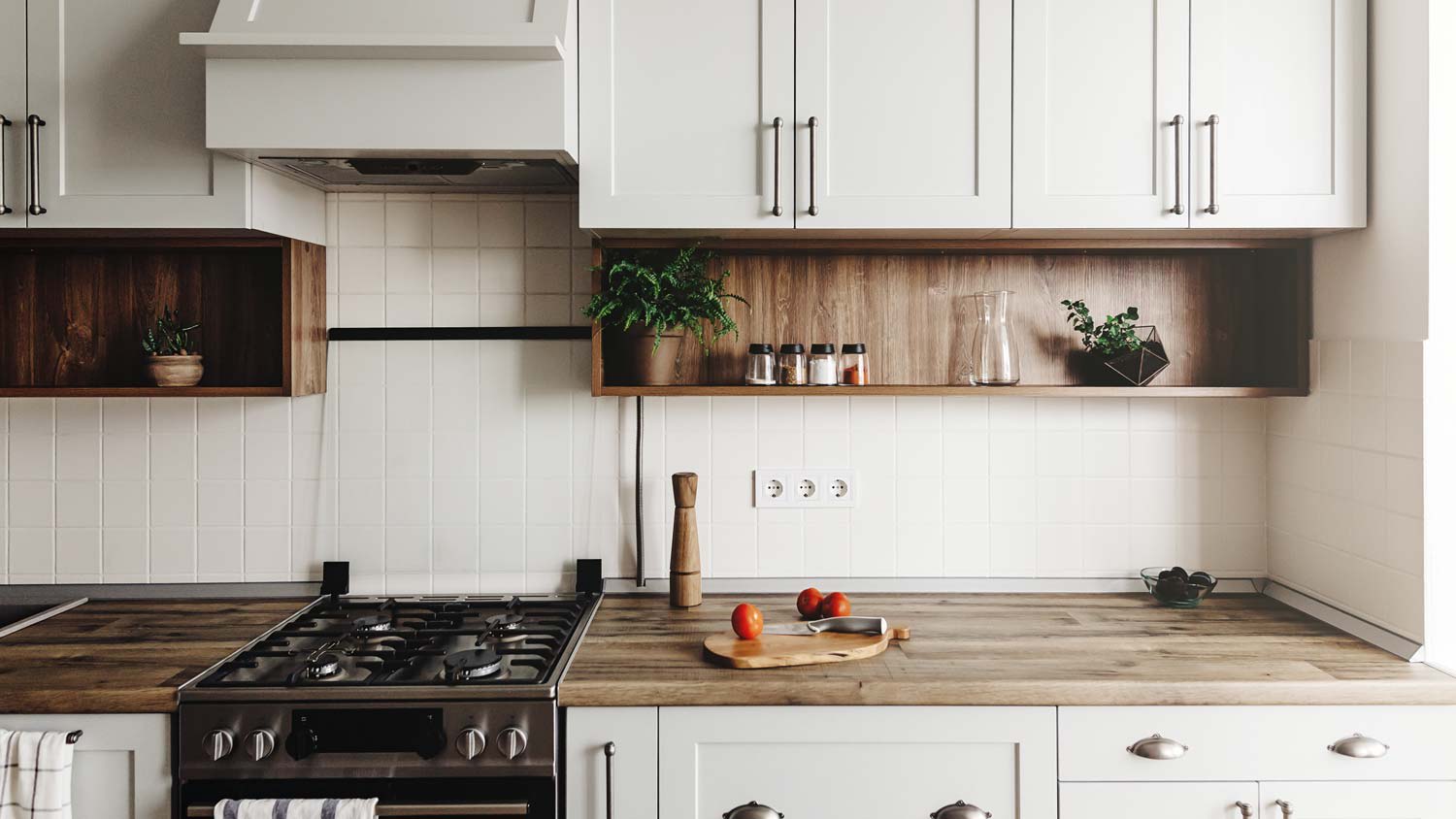
Find out the average refinishing cabinet cost in Washington, D.C. Learn what you can expect to pay for local cabinet updates and refresh your kitchen today.

Find out the average countertop repair cost in Baltimore, MD. Learn what you can expect to pay local pros to fix your kitchen counters and restore their shine.
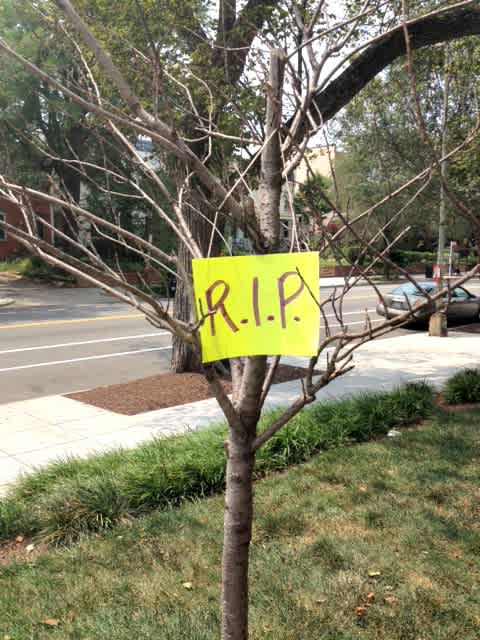
Tree removal in Washington, D.C., can be an expensive service, with tree cutting costs varying based on size and location. Here's what you can expect to pay.
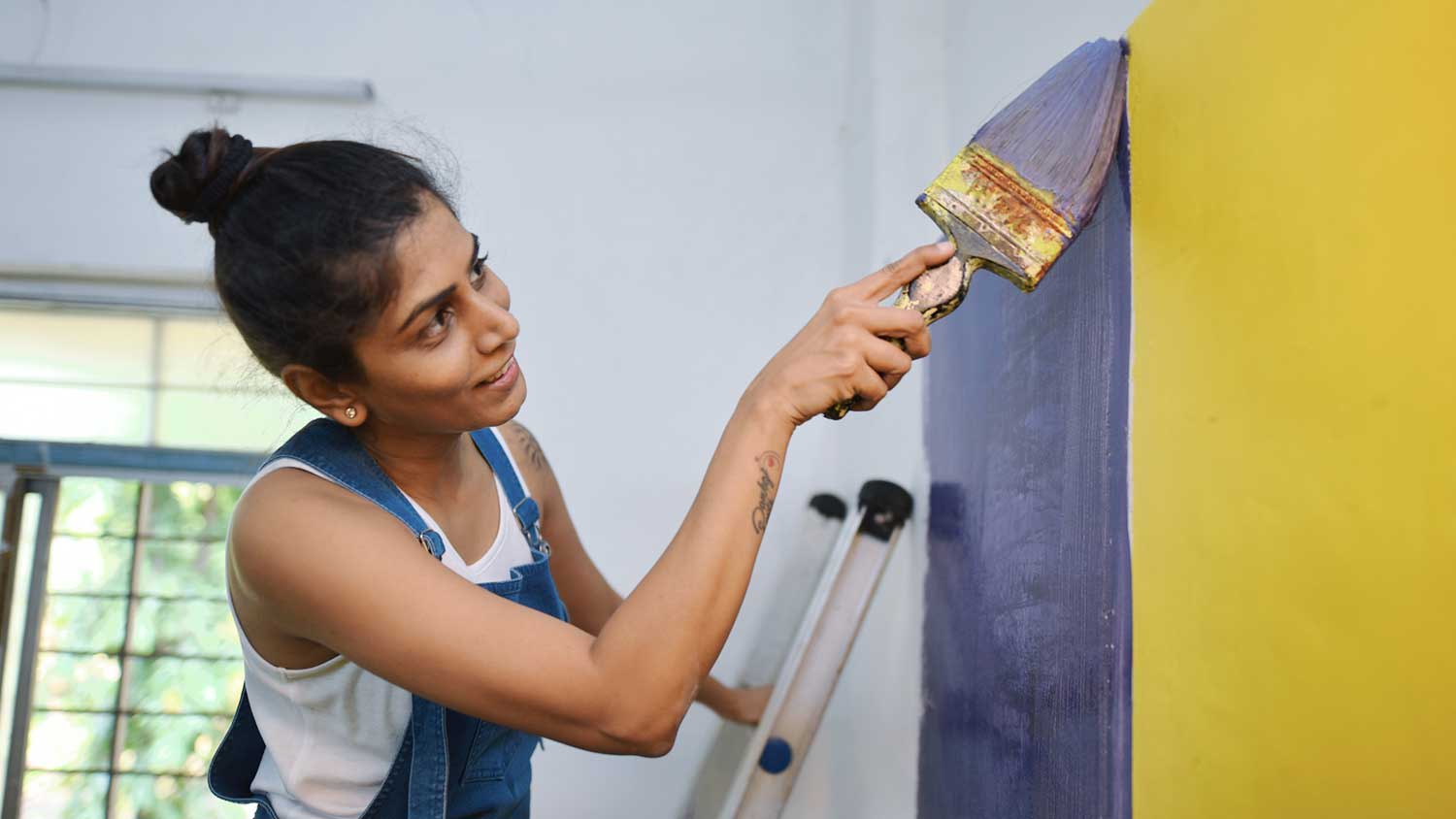
Cleaning your paint brushes immediately after you use them is best. Learn how to clean paint brushes, whether using water or oil-based paint.

You can use several kinds of brushes for baseboards and trim painting. Discover which brush is best to paint trim work in every situation.