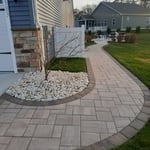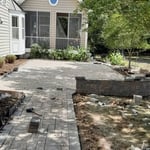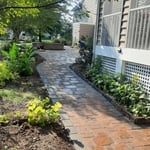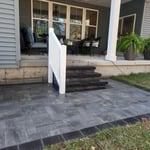




Top-rated landscapers.

Get matched with top landscapers in Delmar, MD

Enter your zip and get matched with up to 5 pros

Need a pro for your landscaping project in Delmar, MD?

Select your specific project to find the pro for you.

TRUSTED BY DELMAR, MD HOMEOWNERS

  • Average homeowner rating star icon4.3
    Average homeowner rating
  • Verified reviews icon91
    Verified landscaping services reviews

Find Landscapers in Delmar

...
Showing 1-10 of 202
Landscaping questions, answered by experts

Yes, many providers offer organic or eco-friendly treatments. Confirm availability with your contractor.

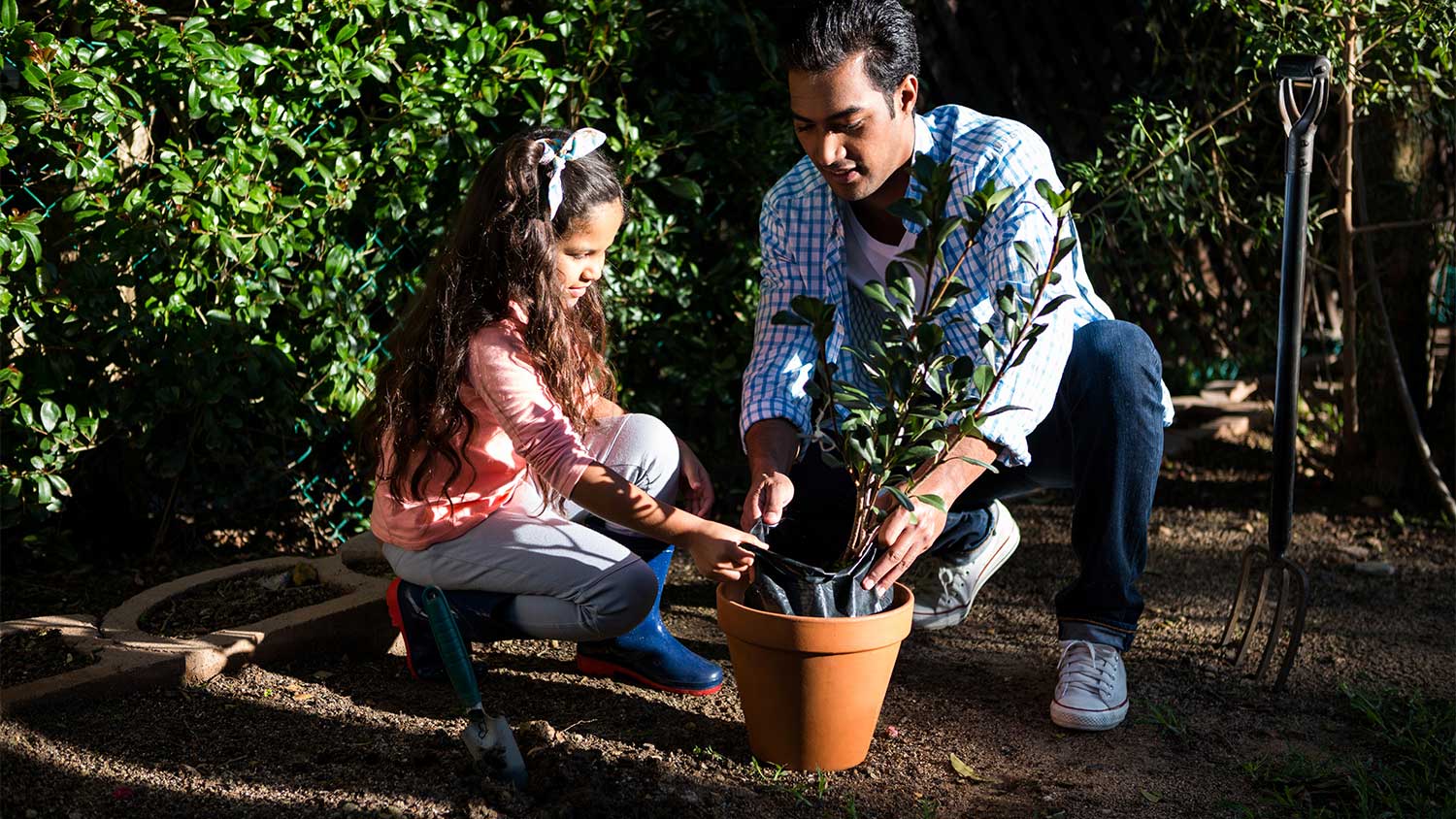
Buying plants from a nursery is one thing, but ensuring that they are properly planted is another. While you might not need to hire a landscaper for every plant that you buy from a nursery, it’s a great idea to have their expertise and experience to plant larger items, like burlapped trees or specialty plants like rose bushes. Even better, before making a trip to a nursery to buy new plants, consult a local landscaper to test your soil for pH levels, soil texture, and phosphorus and potassium levels to help determine the best plants for your area.

Hedge plants are available in almost every size, from seedlings to fully mature, six-foot-tall shrubs. Planting smaller plants is much easier and more cost-effective. However, it can take years for the plants to reach maturity and create a full hedge. Garden centers and specialty retailers sometimes offer three to four-foot wide plants that you can simply plant next to each other for an instant full hedge.

The best landscaping for a septic drain field is shallow-rooted grass or native vegetation that helps prevent soil erosion while allowing water to evaporate efficiently. Avoid planting trees, shrubs, or deep-rooted plants near the drain field because the roots can infiltrate pipes and cause blockages. Using mulch or gravel sparingly can also help retain moisture and protect the system without restricting airflow.

The best time to plant is between spring and autumn. Springtime weather is typically mild and is when nurseries start to bloom. When the summer weather arrives and it’s hot out, it’s best to avoid planting bare-root plants, but you can still plant many in-container varieties. The first sign of fall is another great opportunity to plant biennials if you live in southern states, or a lovely vegetable garden up north.

The Delmar, MD homeowners’ guide to landscaping services

From average costs to expert advice, get all the answers you need to get your job done.