Lazy composting involves putting leaves, grass clippings, and plant trimmings in a corner of your yard and letting nature take its course. There is no turning, watering, or balancing green and brown materials. It’s a low-effort, long-term approach that can take up to one or two years to create finished compost. It is perfect for gardeners who don’t mind waiting and want a no-fuss way to repurpose organic waste.
While a rented dumpster can handle a wide variety of materials, there are significant restrictions on what is allowed. Generally, you can dispose of most non-hazardous household junk, yard waste, and construction debris.
Accepted items typically include:
Furniture, carpets, old linens, and toys
Wood and yard debris
Small appliances and excess trash
Renovation waste like old finishes, building debris, and roofing materials (unless they contain lead paint or asbestos)
However, you cannot put toxic, flammable, or hazardous materials in a dumpster. Prohibited items almost always include:
Paint, gasoline, oil, and other fuels
Household cleaners and other chemicals
Electronics, batteries, and tires
Refrigerators, hot water tanks, and medical waste
Since regulations can vary by location and company, it is essential to check with your dumpster rental provider for their specific list of accepted and prohibited items before you begin.
We always recommend wearing a protective mask when blowing leaves (as well as goggles if possible). Blowing leaves creates a lot of dust, and in many cases that dust contains a bunch of allergens that can make those sensitive very miserable. Even worse, moldy leaves can contain fungi and bacteria that could make humans as animals very sick. Mask up before starting your leaf project, and if anyone is helping you collect the leaves it’s a good idea if they wear a mask, too.
To remove a shrub, start by cutting back the shrub using pruning shears, loppers, or a chainsaw. Next, dig around the base of the shrub with a pointed shovel to expose its root system. Then, use a shovel or a mattock to loosen the roots, making it easier to pull or lift the shrub from the ground. For larger shrubs or stubborn root systems, attaching a chain or strap to the base and using a vehicle to pull it out can be effective. Ensure proper disposal of the shrub and its debris following local waste disposal guidelines.
The fastest way to rid your yard of pesky stickers or burs is to go mechanical on them with a lawn mower or garden rake. Use a lawnmower with a bagger attachment to avoid spreading the seeds around and causing a bigger issue. If you choose to rake the stickers off the plants, be sure to dispose of them properly. Avoid putting them in with the composting and check local guidelines for disposing of lawn waste.
The Dayton, MD homeowners’ guide to brush chipping services
From average costs to expert advice, get all the answers you need to get your job done.
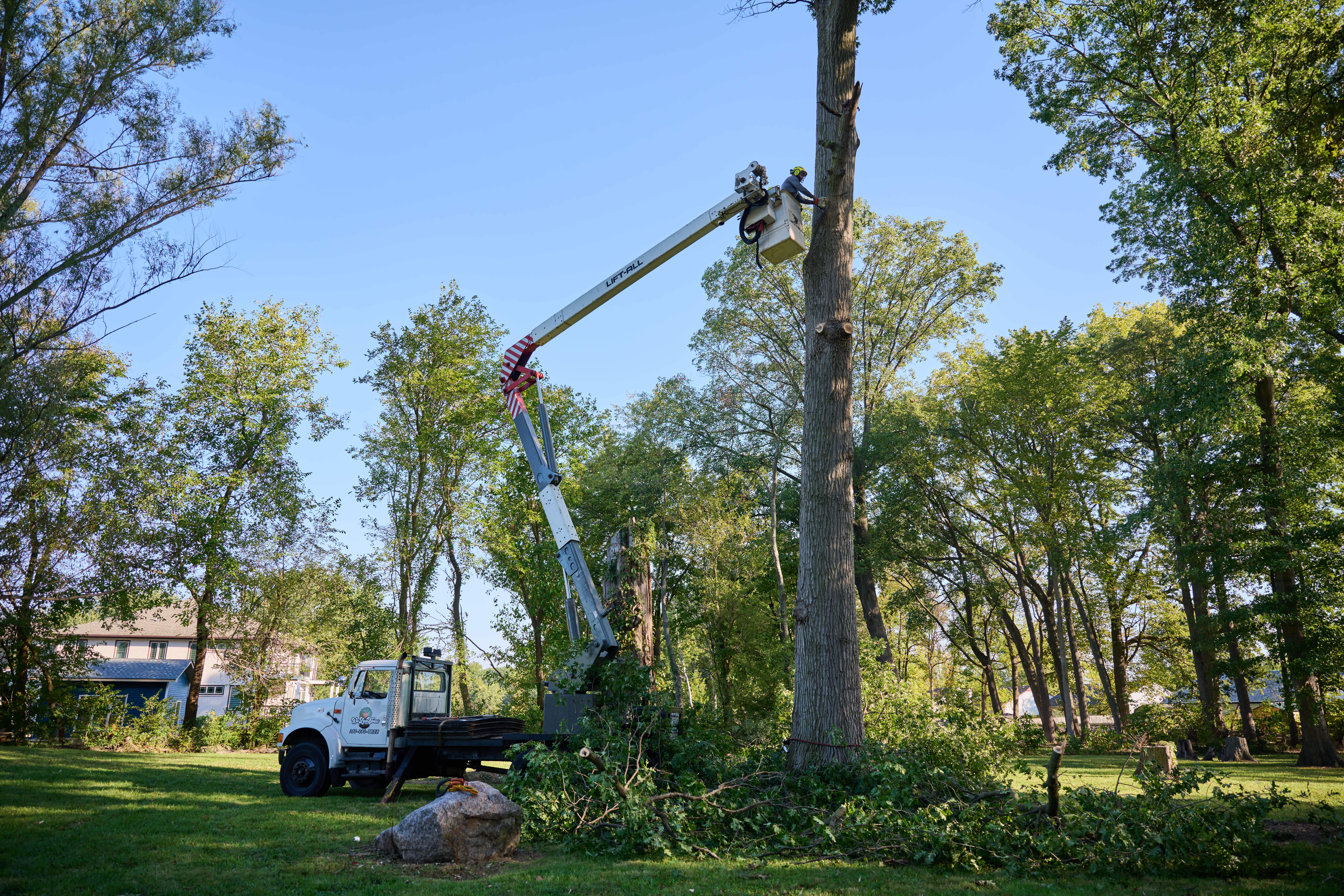
The most significant factor in tree removal costs is the amount of debris. Read on to learn more about the average tree debris removal costs in Washington, D.C.
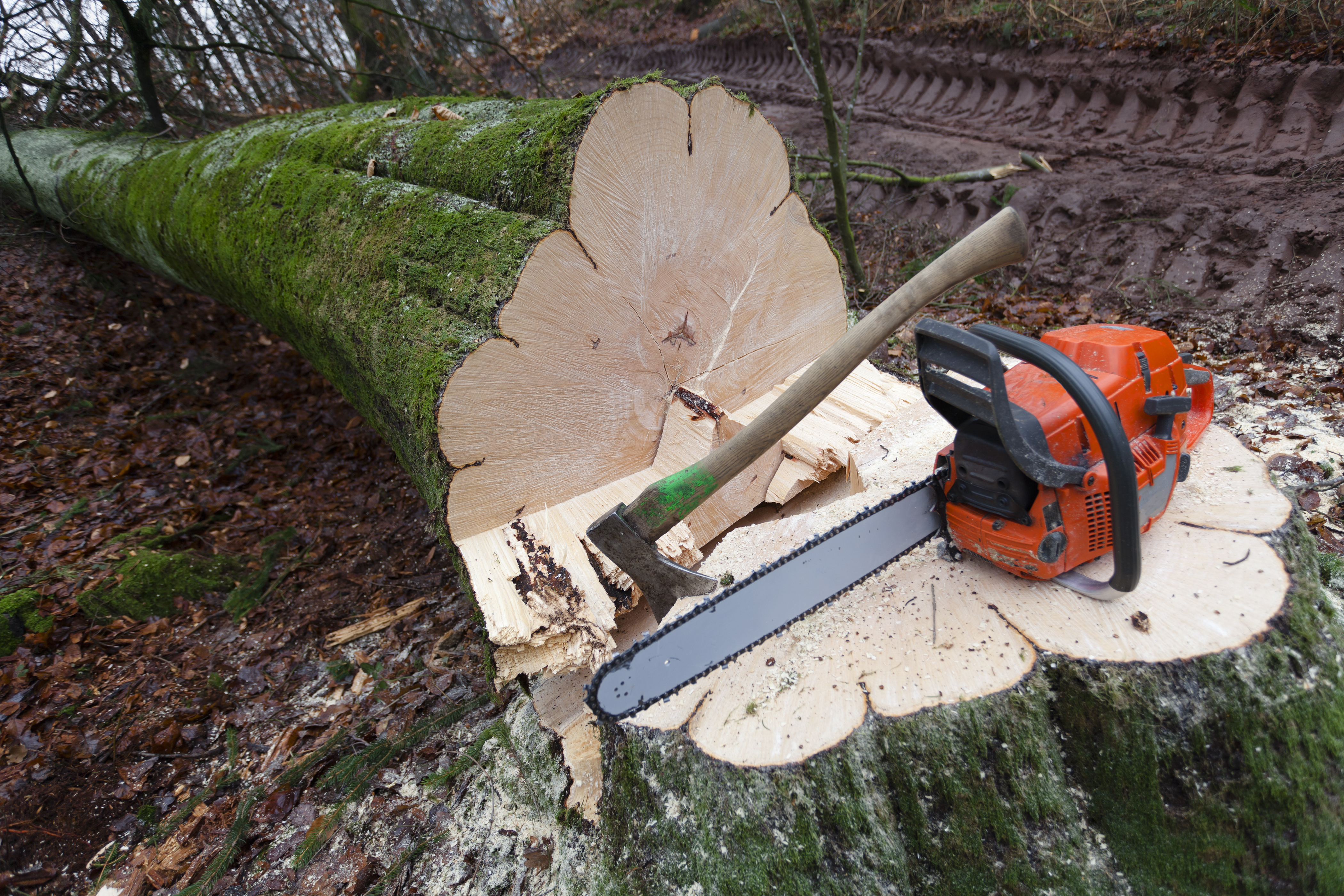
Tree removal in Washington, D.C., can be an expensive service, with tree cutting costs varying based on size and location. Here's what you can expect to pay.

If your painted deck is less than appealing, it's time for a refresh. DIY your paint removal from your deck to enjoy your outdoor space for many seasons.