



Top-rated weed maintenance pros.

Get matched with top weed maintenance pros in Annapolis Junction, MD

Enter your zip and get matched with up to 5 pros

Need a pro for your weed maintenance project in Annapolis Junction, MD?

Select your specific project to find the pro for you.

TRUSTED BY ANNAPOLIS JUNCTION, MD HOMEOWNERS

  • Average homeowner rating star icon4.4
    Average homeowner rating
  • Verified reviews icon257
    Verified weed maintenance services reviews

Find Weed maintenance pros in Annapolis Junction

No results for Weed maintenance pro in

Try adjusting your search criteria.
Weed Services questions, answered by experts

Too much clover in your lawn can indicate several issues with your soil. Clover can thrive in soils with abnormally high pH, low-cut grass, and low nitrogen. Amending these issues can push clover out for good.

Hardy perennial clover loves the low nitrogen and compact conditions that often come with poor, infertile soils. But other factors also contribute to a clover explosion, including drought conditions, cool temperatures, under fertilization, and over-irrigation. You’ll need to evaluate all these elements when planning to kill off the clover.

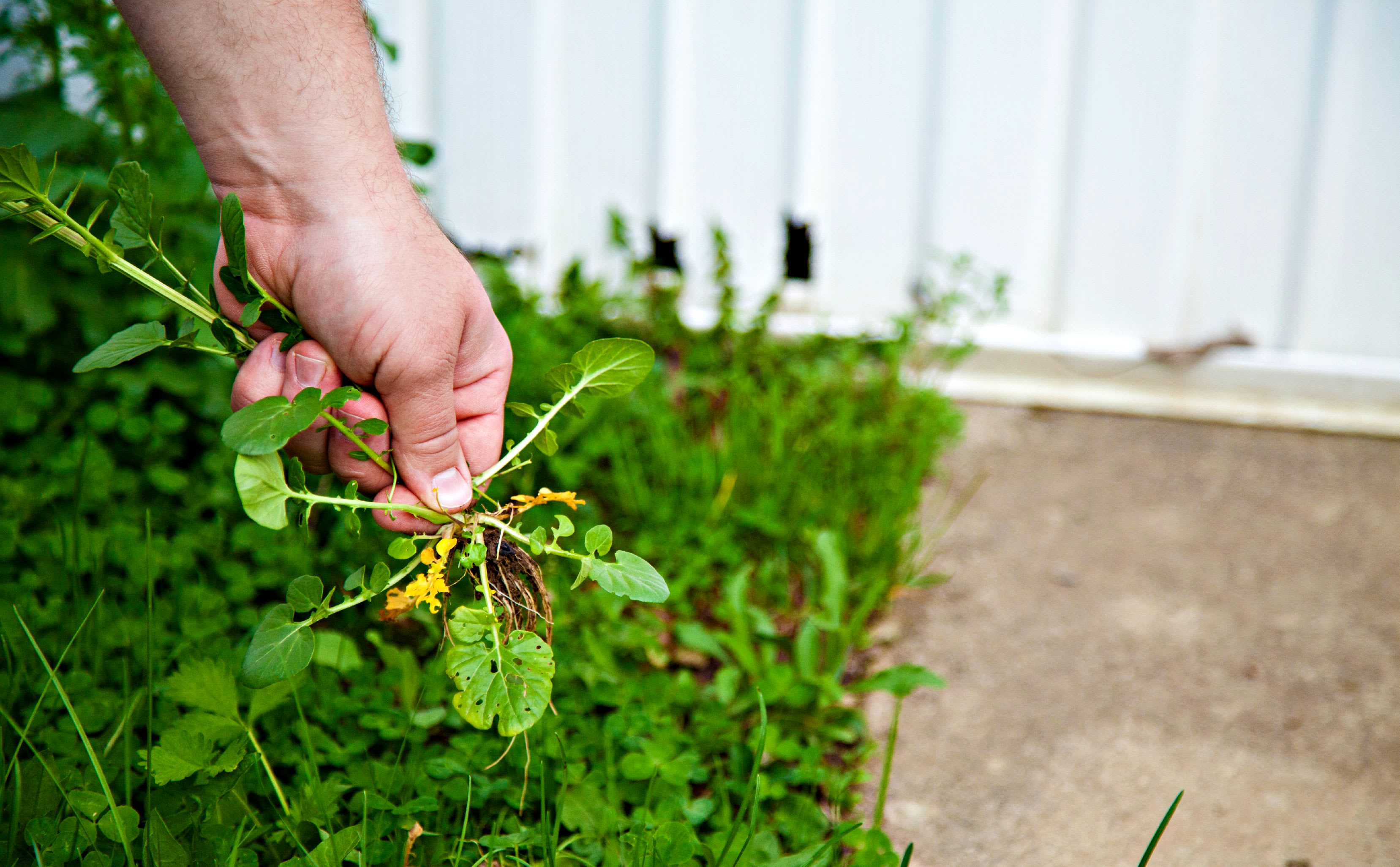
Each type of weed comes with its own control methods, but stopping the seed spread is the first step. Grazing, mowing, and hand pulling can slow the invasion. In some cases, selective herbicide is necessary to stop a persistent weed from overtaking an area.

Johnsongrass and crabgrass are invasive weeds that can overtake your lawn. Crabgrass is a low-growing grass most often seen in lawns, flower beds, and vegetable gardens. While you may find Johnsongrass growing in your lawn, it will also grow in pastures, crop fields, and the edge of the road. Johnsongrass is much coarser than crabgrass. If left alone, Johnsongrass can grow up to 8 feet tall. 

Buffalo grass does not turn green as early in the spring as some other grasses. If you have a heavily shaded yard, buffalo grass may not receive enough sunlight to thrive. It’s not as dense as some other grass varieties, so it may not feel as comfortable on bare feet.

Glyphosate and other non-selective herbicides can kill orchard grass, but they will also kill the surrounding plants. Also, not all areas allow the use of glyphosate due to its environmental impact—which the EPA describes as a "potential risk to terrestrial and aquatic plants and birds, and low toxicity to honeybees." Consider mechanical removal to target the plants specifically.

The Annapolis Junction, MD homeowners’ guide to weed maintenance services

From average costs to expert advice, get all the answers you need to get your job done.