






Top-rated weed maintenance pros.

Get matched with top weed maintenance pros in Linthicum, MD

Enter your zip and get matched with up to 5 pros

Need a pro for your weed maintenance project in Linthicum, MD?

Select your specific project to find the pro for you.

TRUSTED BY LINTHICUM, MD HOMEOWNERS

  • Average homeowner rating star icon4.5
    Average homeowner rating
  • Verified reviews icon323
    Verified weed maintenance services reviews

Find Weed maintenance pros in Linthicum

No results for Weed maintenance pro in

Try adjusting your search criteria.
Weed Services questions, answered by experts

The best way to keep voles from tunneling in your yard is to keep grass trimmed and bushes cut back from the ground at least 5 inches. Cleaning up yard debris, wood chip piles, and brush piles can also help keep voles at bay. If you notice vole activity, you can also remove bird feeders since these are a ready source of food for the tunneling rodents.

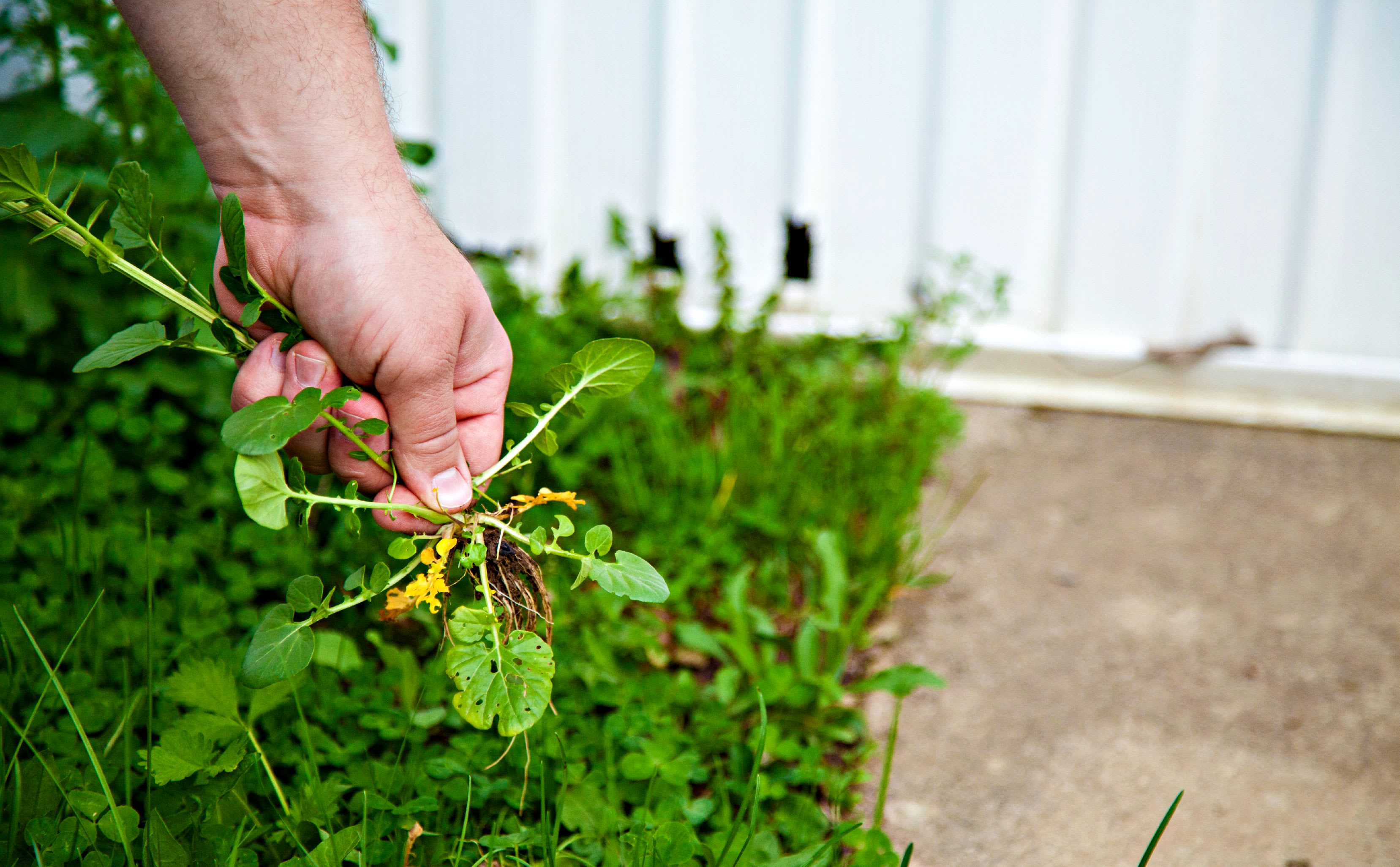
Weeds may grow back when pulled out if the root is not completely removed. Invasive weeds can regrow from just a small portion of remaining root, so using a weed-pulling tool can help ensure you remove the entire root. Weeds may grow back faster if roots aren’t fully removed, and incomplete removal could cause them to spread as well.

It’s not legal to intentionally damage a neighbor’s tree. Even if the roots of a tree encroach into your yard, if you damage or kill a tree that belongs to your neighbor, you can be held liable for the damage in most cases. Since herbicides can spread through the tree, causing damage to the whole tree and not just the roots that are on your side of the property line, you shouldn’t poison your neighbor’s tree. The other downside to this method is that if the tree dies, it can fall onto your property and cause more damage, so herbicides are best avoided in this circumstance.

Too much clover in your lawn can indicate several issues with your soil. Clover can thrive in soils with abnormally high pH, low-cut grass, and low nitrogen. Amending these issues can push clover out for good.

Hardy perennial clover loves the low nitrogen and compact conditions that often come with poor, infertile soils. But other factors also contribute to a clover explosion, including drought conditions, cool temperatures, under fertilization, and over-irrigation. You’ll need to evaluate all these elements when planning to kill off the clover.

Yes, you can typically combine liquid aeration with other lawn treatments. However, follow the specific product's instructions and consider the compatibility of treatments. In most cases, liquid aeration can complement fertilization, overseeding, or weed control programs. Combining treatments strategically can address multiple aspects of your lawn's health and appearance simultaneously. Always read and adhere to the guidelines provided by the product manufacturers to ensure safe and effective application.

The Linthicum, MD homeowners’ guide to weed maintenance services

From average costs to expert advice, get all the answers you need to get your job done.